The Verse You Skipped+FollowGod’s Silence Does Not Mean God’s Distance Silence feels like absence. Especially after years of obedience. But the Hebrew word charash means silence that restrains action. Not indifference. Control. Sometimes God is quiet not because He left, but because He is holding back—for your sake. If you’re living in a season where God feels distant, Scripture does not rush you past it. Silence is not abandonment. It is a form of presence we don’t like—but often need. #GodsSilence #HebrewBible #FaithAndDoubt #ChristianReflection #OlderFaith1549Share
OneWordStudy+Follow“God Is With You” Meant Something Much More Physical We often hear “God is with you” as emotional reassurance. A comforting idea. A spiritual thought. But in Hebrew, ‘immak implies presence with weight. Not distant attention, but nearness that stays. In the ancient world, presence meant shared risk. If God is “with” you, He does not observe from safety. So when life narrows—health, roles, independence— this promise does not thin out. It thickens. God is not cheering you on from afar. He is standing in the room. #GodWithUs #HebrewMeaning #BibleDepth #FaithInAging #ChristianReflection15523Share
DidYouKnow+Follow“God works in mysterious ways” is not in the Bible. This phrase is quoted constantly—especially when answers are missing. Most people assume it comes straight from Scripture. It does not. The Bible does say God’s ways are higher. But it never uses this sentence. That matters, because the phrase often shuts down pain. It ends conversations instead of opening them. Scripture does not use mystery as a dismissal. It uses it as an invitation to humility, not silence. Many older believers search this phrase when they feel unheard. When grief or confusion never resolved. The Bible does not tell them to stop asking. It records the questions. If you were told to accept mystery instead of being understood, that was not the Bible speaking. It was culture filling the silence. #BibleMisconceptions #MandelaEffect #FaithQuestions #ChristianReflection #DidYouKnow859Share
DidYouKnow+FollowGod never said “Spare the rod, spoil the child.” Many grew up believing strict physical discipline is biblical. But the Hebrew word muwcar (discipline) refers primarily to guidance, correction, and instruction, not corporal punishment. Proverbs emphasizes wisdom and instruction, not hitting. That matters, because older believers sometimes regret harsh parenting. They think God commanded what they now feel guilty about. Scripture does not equate punishment with faithfulness. It equates teaching, modeling, and guidance. If you carried regret for discipline, that does not mean you failed God’s call. It means you learned what love truly requires. #BibleMisconceptions #BiblicalParenting #FaithAndWisdom #ChristianReflection #DidYouKnow9242Share
DidYouKnow+FollowGod never said “Idle hands are the devil’s workshop.” It sounds cautionary. Motivating. Safe. But it’s not in the Bible. In Hebrew, avodah (work) is often linked to purposeful engagement, not constant busyness. Moses and the prophets sometimes sit and reflect. Silence, not movement, is often commanded. That matters, because older believers feel pressured to always “do something” for God. Retirement, empty nests, slower seasons feel like spiritual failure. Scripture never equates inactivity with sin. It celebrates discernment and reflection as much as action. If you sometimes sit quietly or rest, that does not mean laziness or spiritual weakness. It may mean God is giving space for wisdom to grow. #BibleMisconceptions #FaithAndRest #ChristianReflection #BiblicalWisdom #DidYouKnow291Share
DidYouKnow+FollowGod never said doubt arrives because faith is weak. We often talk about doubt as a crack. Something that should not be there. But in the Bible, doubt often shows up after obedience. Moses doubts after leading. Elijah collapses after victory. Exhaustion invites questions certainty never needed. That matters, because many lifelong believers feel confused by late doubt. They trusted God for decades. Why now? Scripture does not shame faith that gets tired. It feeds it. Lets it rest. Doubt is not always a threat. Sometimes it is a signal. If doubt has appeared late in your journey, that does not mean something broke. It may mean you have carried faith a very long way. #BibleMisconceptions #FaithAndDoubt #SpiritualFatigue #ChristianReflection #DidYouKnow273Share
DidYouKnow+FollowGod never said exhaustion means you lost faith. We often spiritualize endurance. As if real faith never gets tired. But Scripture names exhaustion without condemnation. Elijah asks to die. Jesus sleeps through the storm. Even faith rests. That matters, because many older believers feel ashamed of being tired. They served. They endured. They stayed. And now they feel empty. The Bible does not call exhaustion a moral failure. It calls it human. If you feel tired in your faith, that does not mean devotion faded. It may mean you gave more than anyone saw. #BibleMisconceptions #SpiritualExhaustion #FaithAndRest #ChristianReflection #DidYouKnow778Share
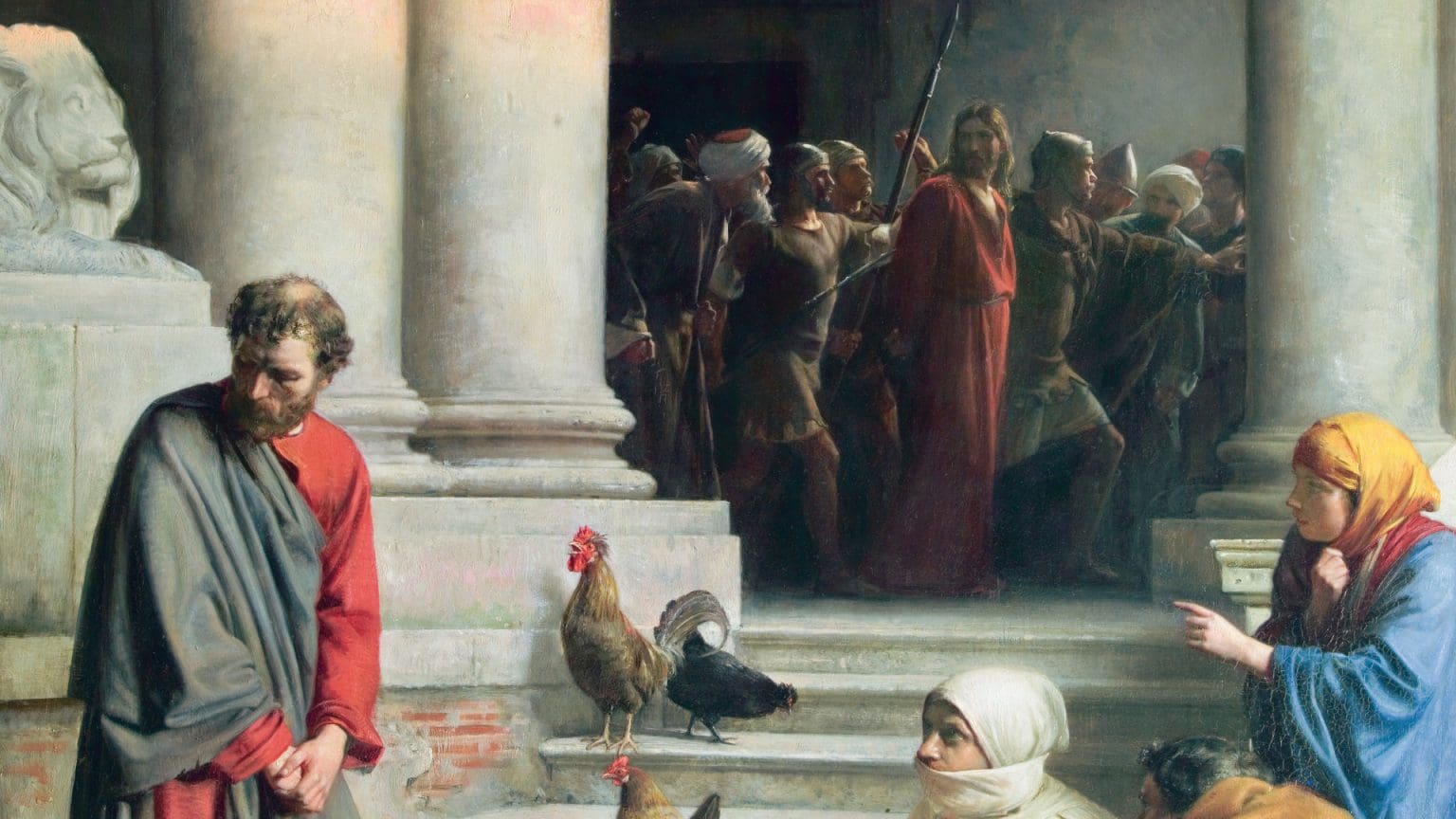
DidYouKnow+FollowGod never said your faith must stay the same. We often assume real faith is unchanging. That doubt, shifts, or fatigue mean decline. But faith in the Bible matures by changing shape. Abraham’s faith looks different at the end than at the beginning. Peter’s faith after failure is quieter, humbler, and deeper. That matters, because many older believers feel uneasy about how their faith has changed. Less certainty. More questions. More nuance. But Scripture never calls evolving faith betrayal. It calls it growth under weight. Faith that has lived through decades cannot look young forever. If your faith no longer feels simple, that does not mean it weakened. It may mean it survived. #BibleMisconceptions #FaithJourney #SpiritualMaturity #ChristianReflection #DidYouKnow7915Share
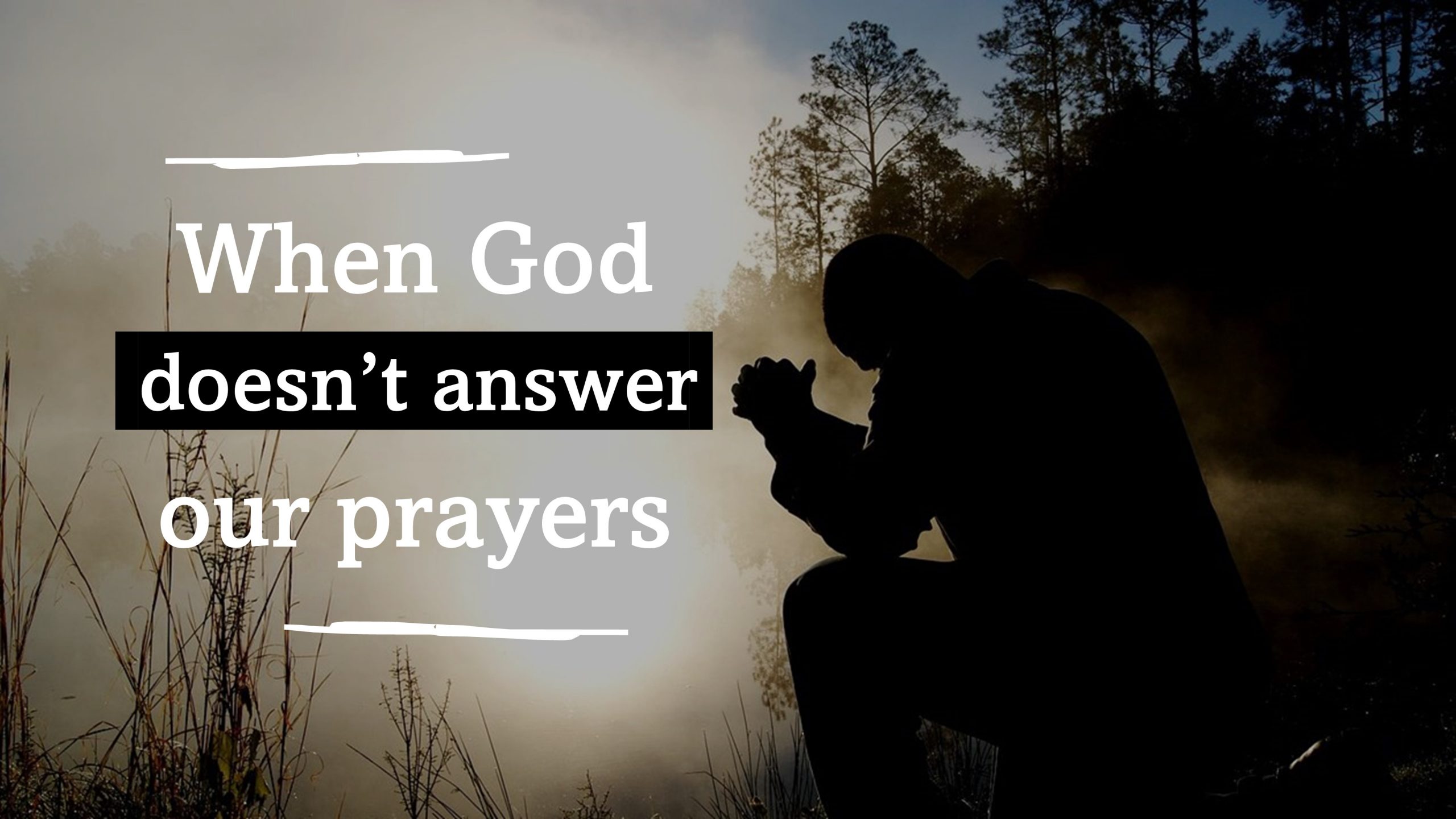
DidYouKnow+FollowGod never promised answers to every prayer. We often speak as if prayer guarantees clarity. Ask sincerely enough, and God will explain Himself. But Scripture does not make that promise. Many prayers in the Bible end without answers. Habakkuk asks why injustice wins—and must live without resolution. Job never receives an explanation for his suffering. That matters, because lifelong believers often feel embarrassed by unanswered prayers. They prayed for healing. For reconciliation. For direction. And silence followed. The Bible does not treat unanswered prayer as rejection. It treats it as relationship that continues without closure. God responds often with presence, not explanation. With companionship, not reasons. If some of your prayers were never answered, that does not mean they were ignored. It may mean God chose to stay, not to explain. #BibleMisconceptions #UnansweredPrayer #FaithAndWaiting #ChristianReflection #DidYouKnow8934Share
DidYouKnow+FollowGod never said your faith should be impressive. We often treat faith like a performance. Strong. Confident. Public. Certain. But Jesus repeatedly points to quiet faith. Small faith. Desperate faith. Faith that reaches out because it has nothing else left. That matters, because older believers often feel invisible. Their faith no longer looks dramatic. No big testimonies. No new beginnings. Just endurance. But the Bible never measures faith by volume. Only by direction. Faith that clings is not inferior to faith that conquers. It is simply older. If your faith now looks quieter than it used to, that does not mean it shrank. It may mean it stopped performing—and started surviving. #BibleMisconceptions #FaithJourney #SpiritualMaturity #ChristianReflection #DidYouKnow13612Share