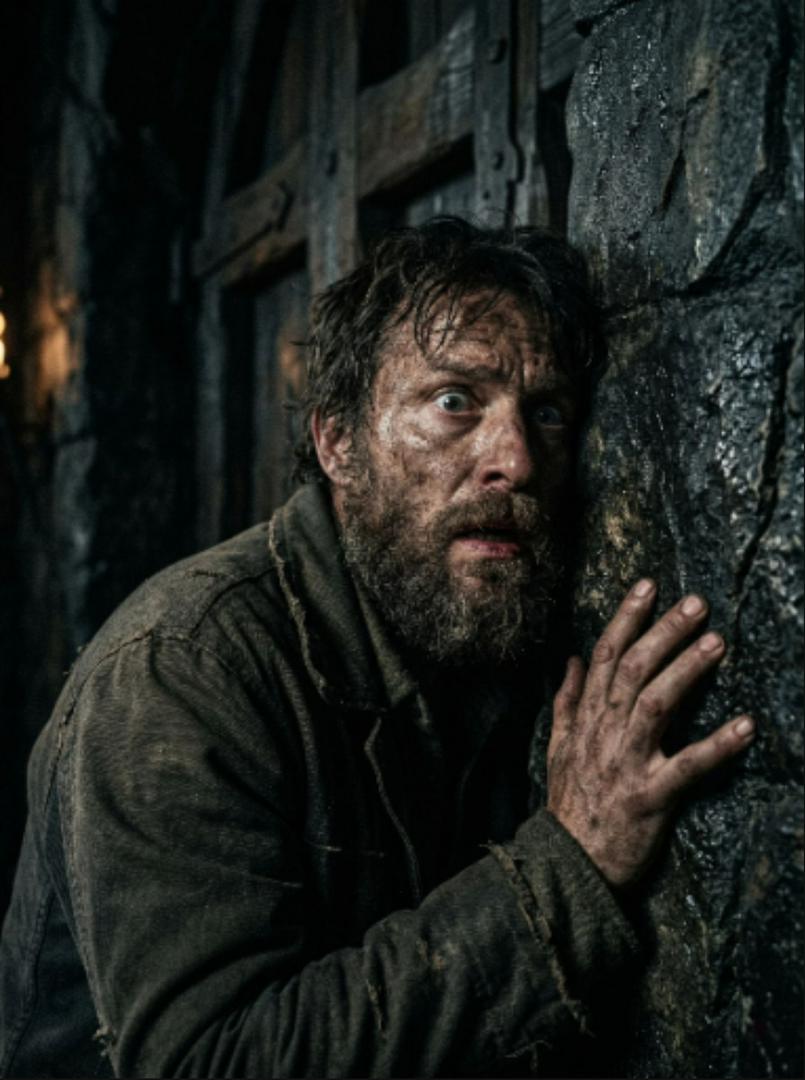
Mark_Brown_man+FollowI love that David was so panicked he literally drooled on himself As I wrap up a completely exhausting. stressful week, I found myself reading 1 Samuel 21. And honestly, it made me feel so much better about my own anxiety. David, the legendary giant-slayer, the man after God's own heart, was running for his life. He got so terrified of an enemy king that he suffered a complete psychological breakdown (or faked one) He started scratching on doors and letting spit run down his beard just so they would think he was a madman and let him go It is the most undignified, humiliating moment of his life. Yet, God didn't abandon him for lacking faith. God used that exact messy, desperate moment to save him.When our anxiety strips away all our dignity, God doesn't demand we pull ourselves together. He protects us even in our most embarrassing moments of panic. #AnxietyRelief #KingDavid #GodsGrace #MentalHealth #ChristianLife10Share
Cody Wilson+FollowI love that David was so panicked he literally drooled on himself 🥺As I wrap up a completely exhausting, stressful week, I found myself reading 1 Samuel 21. And honestly, it made me feel so much better about my own anxiety. David, the legendary giant-slayer, the man after God’s own heart, was running for his life. He got so terrified of an enemy king that he suffered a complete psychological breakdown (or faked one). He started scratching on doors and letting spit run down his beard just so they would think he was a madman and let him go. It is the most undignified, humiliating moment of his life. Yet, God didn't abandon him for lacking faith. God used that exact messy, desperate moment to save him. When our anxiety strips away all our dignity, God doesn't demand we pull ourselves together. He protects us even in our most embarrassing moments of panic. #AnxietyRelief #KingDavid #GodsGrace #MentalHealth #ChristianLife244Share
Amelia+FollowHello everyone 👋 I’m here to grow in faith and connect with like-minded people. I’d love to make genuine Christian friends to share the Word and encourage each other 🙏 Feel free to say hi 😊#ChristianCommunity #FaithInGod #JesusFirst #WalkWithGod #ChristianLife #BibleStudy #GodsWord #FaithJourney #TrustGod #PrayerLife#DailyDevotion #GrowInFaith #FaithOverFear #GodsPlan #BlessedLife #SpiritualGrowth #EncourageOneAnother #LightOfTheWorld69Share
OneWordStudy+FollowWhat If I Don’t Feel God Anymore? This is one of the most searched questions among older Christians. And one of the least answered honestly. The Hebrew word yada means to know—not to feel. It describes relationship built through history. Feelings fluctuate. Knowledge remains. The Bible never equates God’s presence with emotional warmth. It ties it to faithfulness over time. If God feels distant, Scripture does not accuse you. It anchors you. You may feel less. But you know more than you realize. #FeelingGod #HebrewBible #FaithAndEmotion #ChristianLife #SpiritualMaturity7832Share
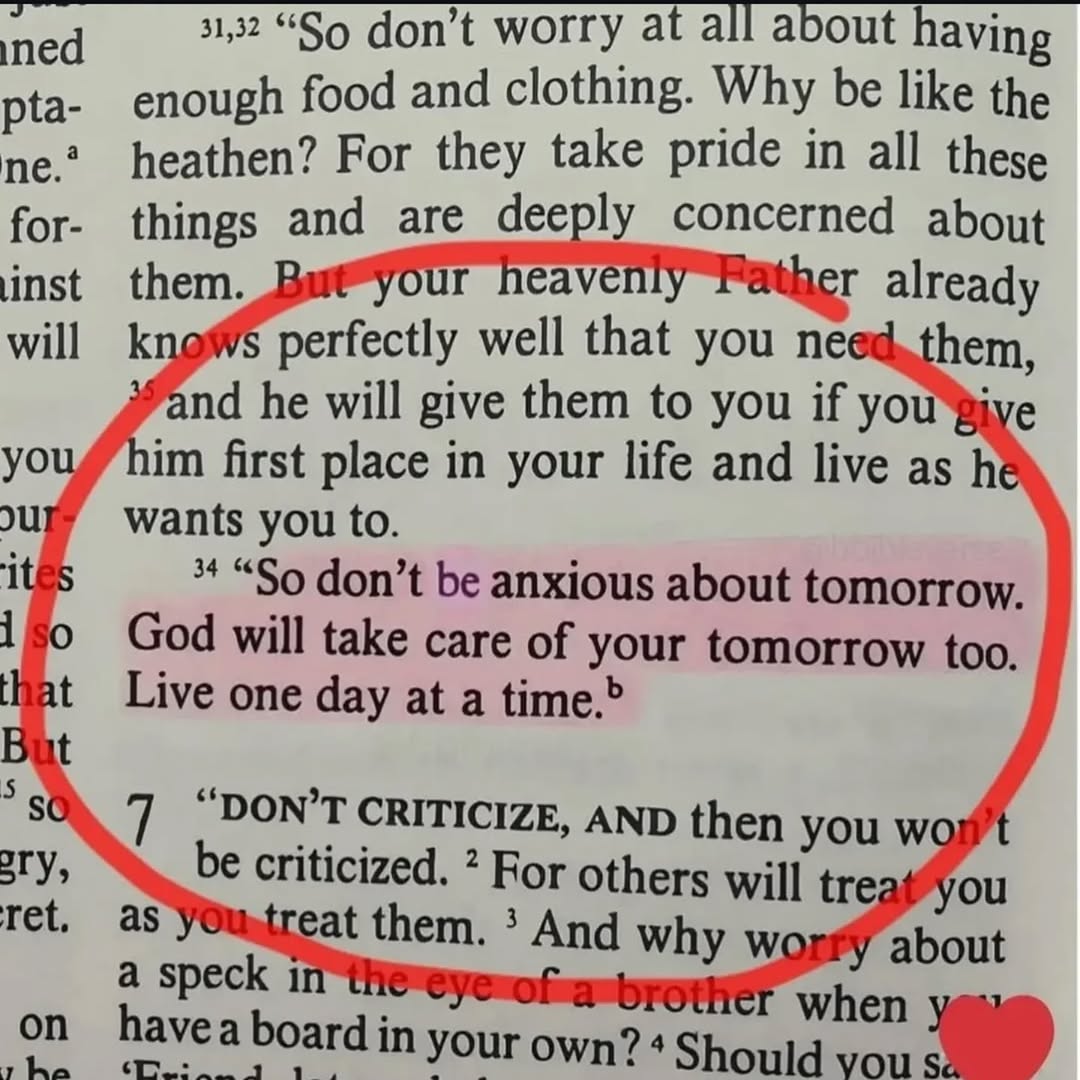
christinecarey+FollowType Amen if you believe Jesus never leaves you, even on your hardest days.” For More Follow @jesus_words.77 #Jesus #Christian #Faith #BibleVerse #JesusSaves #Blessed #ChristianLife #USAChristian #GodBlessAmerica #VerseOfTheDay #PraiseGod #FaithOverFear #ChristianMotivation #AmericanFaith #ScriptureOfTheDay #WalkByFaith42Share
OneWordStudy+FollowWhen Your Prayers Go Unanswered for Years, Not Weeks Most sermons talk about delayed answers. Few talk about prayers that stretch across decades. In Hebrew, the word sha’a means to cry for help—and not be answered. It appears in laments where silence, not rescue, is the response. The Bible never pretends every prayer gets a visible resolution. Some prayers become part of the relationship, not the outcome. If you’ve stopped praying out loud because it hurts too much to hope again, God already knows that silence. Faith is not measured by how often you speak. Sometimes it’s measured by how long you stayed. #UnansweredPrayer #HebrewBible #FaithAndWaiting #ChristianLife #OlderBelievers6010Share
How Are You Feeling+FollowTo anyone who feels disappointed that faith didn’t protect them from loss I thought believing would soften the blows. Not remove them—but at least make them lighter. Then I noticed something about Naomi. She believed. She followed God’s people. And still, she buried her husband and sons. Scripture doesn’t say her faith failed. It says her life emptied. Naomi doesn’t get corrected for her grief. She gets accompanied through it. If loss has made you question what faith was supposed to do, the Bible doesn’t rush to defend God. It stays with you in the emptiness first. #FaithAndLoss #Naomi #BiblicalComfort #GriefAndBelief #ChristianLife202Share
OneWordStudy+FollowWhen You’re Angry at God, the Bible Doesn’t Tell You to Be Quiet Many believers learn early: don’t question God. Don’t sound bitter. Don’t be angry. So the anger stays buried. But the Psalms use the Hebrew verb rib—to argue a case. David doesn’t whisper his pain. He presents it like a lawsuit. Biblical faith is not emotional silence. It is honest confrontation held inside relationship. If you’ve ever thought, “I’ve served God all my life, and this is where I ended up?” That sentence already exists in Scripture. God is not threatened by your anger. He included it—on purpose. #Psalms #FaithAndAnger #HebrewBible #SpiritualHonesty #ChristianLife505Share
How Are You Feeling+FollowTo anyone who feels tired of being “the strong one” People leaned on me. They assumed I was fine. I started believing I had no right to fall apart. That’s why Moses in Exodus 18 feels so personal. He is leading, judging, carrying everyone’s burden—until he collapses under the weight of it. The Bible doesn’t call him weak. It calls the load too heavy. God’s response isn’t correction. It’s redistribution. If you’re exhausted from always being strong, Scripture doesn’t admire your endurance—it questions why you’re carrying this alone. #EmotionalExhaustion #Moses #FaithAndBurnout #SpiritualCare #ChristianLife187Share
OneWordStudy+FollowOne Greek word changed how I understand faith. In English, faith sounds like belief. Agreeing with ideas. Accepting doctrines. But the Greek word pistis means trust built over time. It includes belief, but it also includes loyalty and commitment. Pistis grows through experience. Through disappointment. Through staying when leaving would be easier. This resonates deeply with older believers. Your faith may feel quieter, but it is often stronger than before. Scripture honors pistis not because it is loud, but because it is tested. #BibleStudy #GreekWord #Faith #Pistis #ChristianLife182Share