Tag Page BuffaloSoldiers

#BuffaloSoldiers
LataraSpeaksTruth

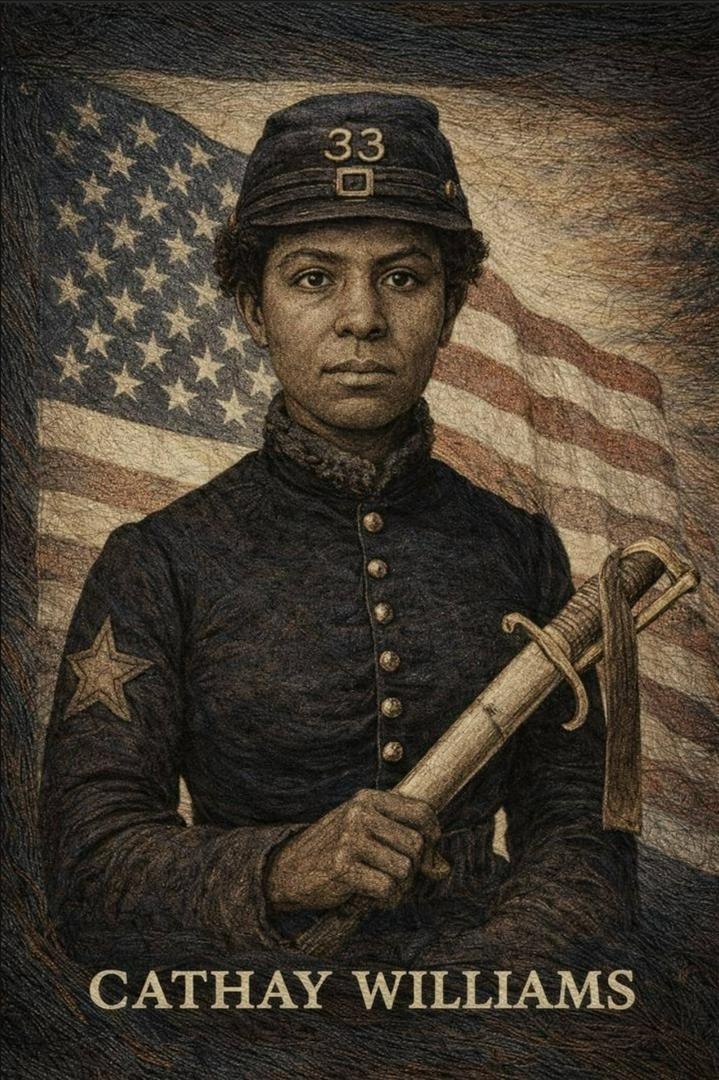
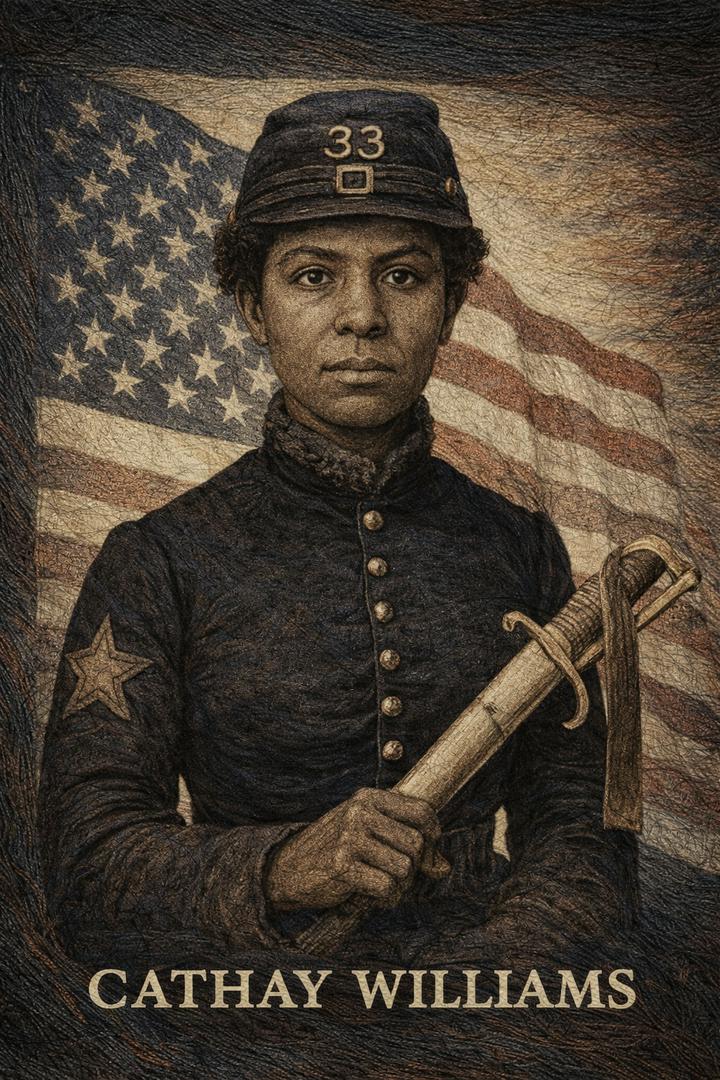
Cathay Williams was born in September 1844 in Independence, Missouri, to an enslaved mother and a free father. Because her mother was enslaved, Cathay was also born into slavery. As a young woman, she was forced into labor for Union troops during the Civil War, working as a cook and washerwoman and traveling with the army through parts of the South. That experience brought her close to military life long before she officially entered it. After the war, Williams chose a path few women of her time could even imagine. On November 15, 1866, she enlisted in the United States Army in St. Louis under the name William Cathay. Since women were barred from military service, disguising herself as a man was the only way she could join. She served in Company A of the 38th U.S. Infantry, one of the African American regiments created after the Civil War and later tied to the legacy of the Buffalo Soldiers. For nearly two years, she performed the duties expected of any soldier. Her secret remained hidden until repeated illness and hospital visits led army doctors to discover she was a woman. She was discharged on October 14, 1868. Years later, Williams applied for a military disability pension, describing her service and failing health, but her claim was denied. Much of her later life remains unclear, but her place in history does not. Today, Cathay Williams is remembered as the only documented woman known to have served as a Buffalo Soldier and one of the most remarkable women in American military history. #OurHistory #CathayWilliams #BuffaloSoldiers #MilitaryHistory #BlackHistory #WomensHistory #AfricanAmericanHistory #HiddenFigures #AmericanHistory #LataraSpeaksTruth

Anna Leslie

Cathav Williams was born in September 1844 in Independence, Missouri, to an enslaved mother and a free father. Because her mother was enslaved, Cathay was also born into slavery. As a young woman, she was forced into labor for Union troops during the Civil War, working as a cook and washerwoman and traveling with the army through parts of the South. That experience prought her close to military life long before she officially entered it After the war, Williams chose a path few women of her time could even imagine. On November 15. 1866, she enlisted in the United States Army in St. Louis under the name William Cathay. Since women were barred from military service, disguising herself as a man was the only way she could join. She served in Company A of the 38th U.S Infantry, one of the African Americanregiments created after the Civil War and ater tied to the legacy of the Buffalo Soldiers. For nearly two years, she performed the duties expected of any soldier. Her secret remained hidden unti repeated illness and hospital visits led army doctors to discover she was a woman. She was discharged on October 14, 1868 Years later, Williams applied for a military disabilitv pension, describing her service and failing health, but her claim was denied Much of her later life remains unclear, but her place in history does not. Today, Cathay Williams is remembered as the only documented woman known to have served as a Buffalo Soldier and one of the most remarkable women in American military history. #OurHistory #CathayWilliams #BuffaloSoldiers #MilitaryHistory #BlackHistory #WomensHistory

LataraSpeaksTruth

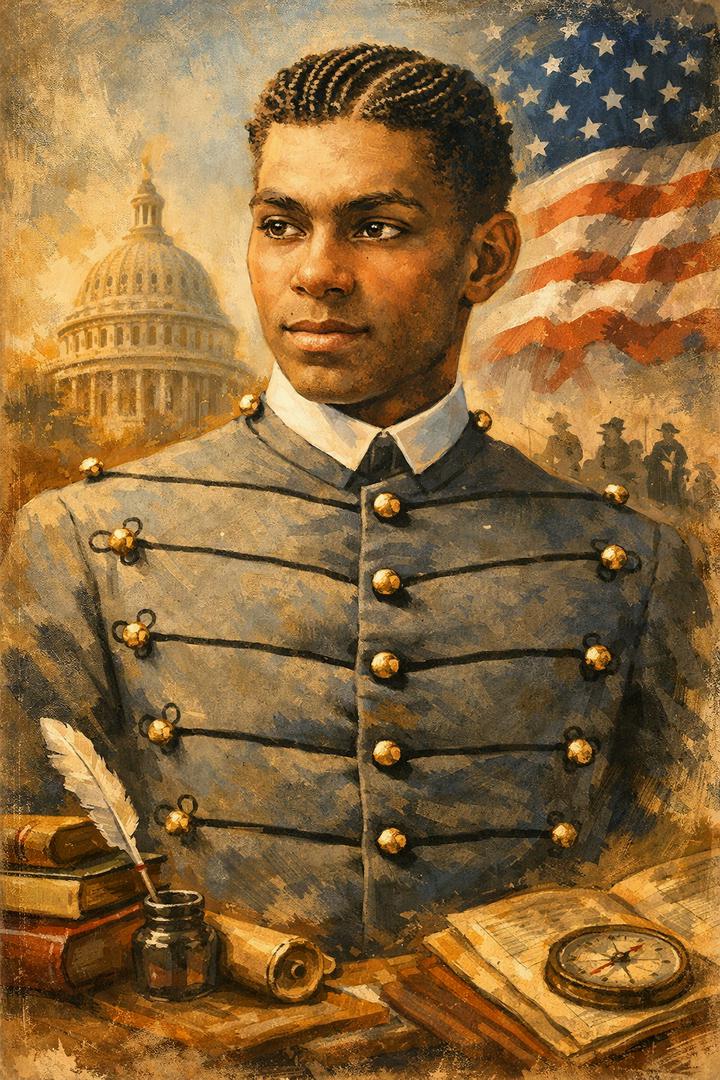
March 21, 1856 - Henry Ossian Flipper was born in Thomasville, Georgia, into slavery. His life began in a nation that had already decided how far Black people were supposed to go, and how firmly they were supposed to stay in their place. Flipper had other plans. He came of age during Reconstruction and, in 1873, was appointed to the U.S. Military Academy at West Point, one of the most elite institutions in the country. Getting in was one battle. Surviving it was another. He faced harassment, isolation, and open hostility, yet refused to be broken by any of it. In 1877, Henry Ossian Flipper became the first Black graduate of West Point and the first Black commissioned officer in the regular U.S. Army. That was no small ceremonial first. It was a direct blow against a system built to exclude Black Americans from military leadership, prestige, and power. His success proved what had always been true: the barrier was never ability, it was racism. After graduation, Flipper served with the 10th Cavalry, one of the famed Buffalo Soldier regiments. His career reflected discipline, endurance, and service, even as injustice continued to follow him. Still, history remembers what matters most: Henry Ossian Flipper crossed a line this country never intended for a Black man to cross… and he did it in uniform. His name deserves to be spoken with respect, not tucked away like a footnote. Sources: National Archives, U.S. Army #OnThisDay #BlackHistory #HenryOssianFlipper #WestPoint #BuffaloSoldiers #MilitaryHistory #BlackExcellence #HiddenHistory #AmericanHistory #BlackPioneers

You've reached the end!