Tag Page BlackExcellence

#BlackExcellence
LataraSpeaksTruth

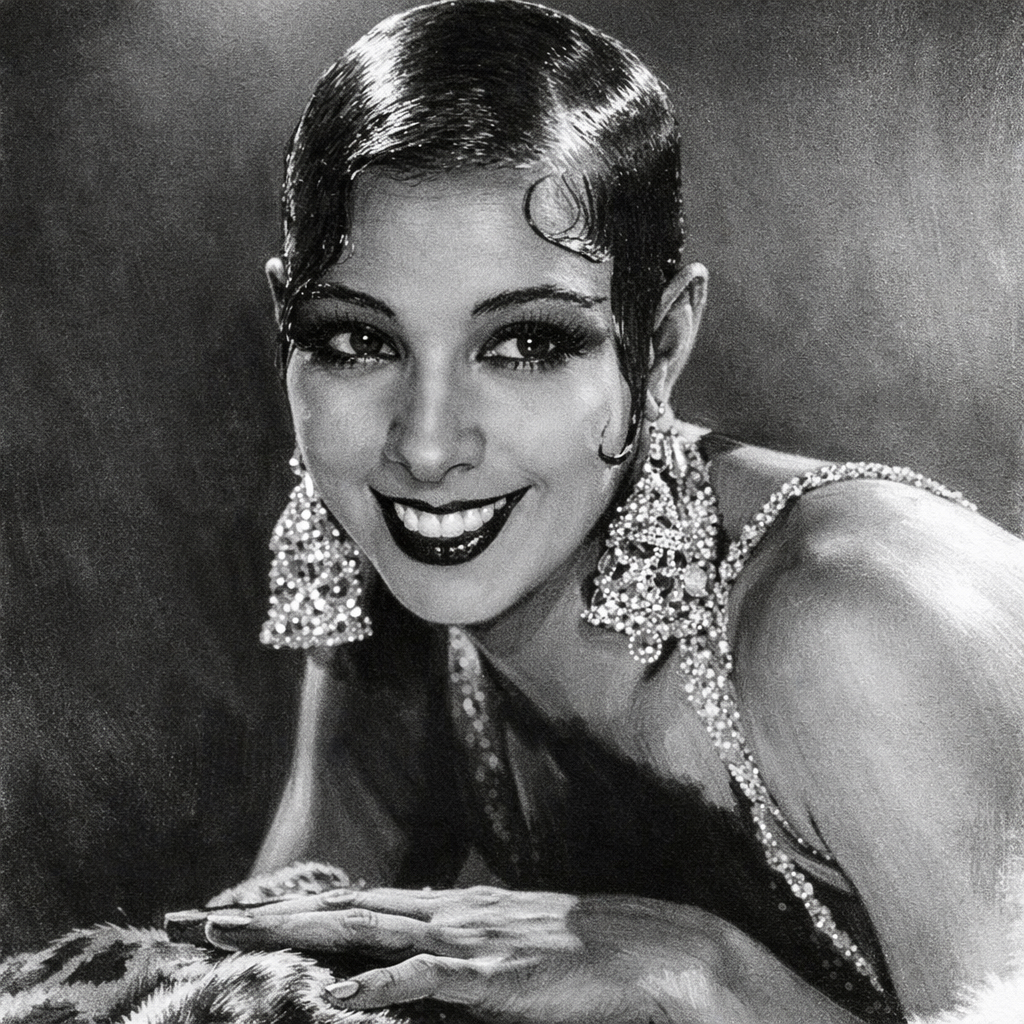
December 24, 1906. On this day, Josephine Baker was born, and history quietly underestimated her. Born into poverty in St. Louis, she came of age in a nation that craved her talent but denied her dignity. America wanted her onstage smiling, dancing, entertaining but not respected, protected, or treated as fully human. So she made a radical choice. She left. In France, Baker found what the United States refused to offer her at the time: freedom alongside fame. She became one of the most recognizable performers in the world, commanding European stages and redefining what it meant to be a Black woman in the spotlight. But sequins were never the whole story. During World War II, Baker served as an agent for the French Resistance, using her celebrity as cover to gather intelligence, conceal messages in sheet music, and transport information across borders. She risked her life fighting fascism. No costume patriotism. Real resistance. What stings is not only what she achieved, but what she had to leave behind to do it. Baker did not abandon America out of spite. She outgrew a country unwilling to grow with her. Even after global success, she confronted racism head on, refused to perform for segregated audiences, and later stood alongside civil rights leaders, including speaking at the March on Washington. December 24 marks more than a birthday. It marks the arrival of a woman who proved that talent does not need permission, dignity is not negotiable, and sometimes the loudest protest is choosing a life that refuses to shrink. She did not just escape limitations. She exposed them. #OnThisDay #December24 #JosephineBaker #HiddenHistory #WorldWarIIHistory #CulturalHistory #Resistance #Legacy #BlackExcellence #AmericanHistory #HistoryThatMatters
LataraSpeaksTruth

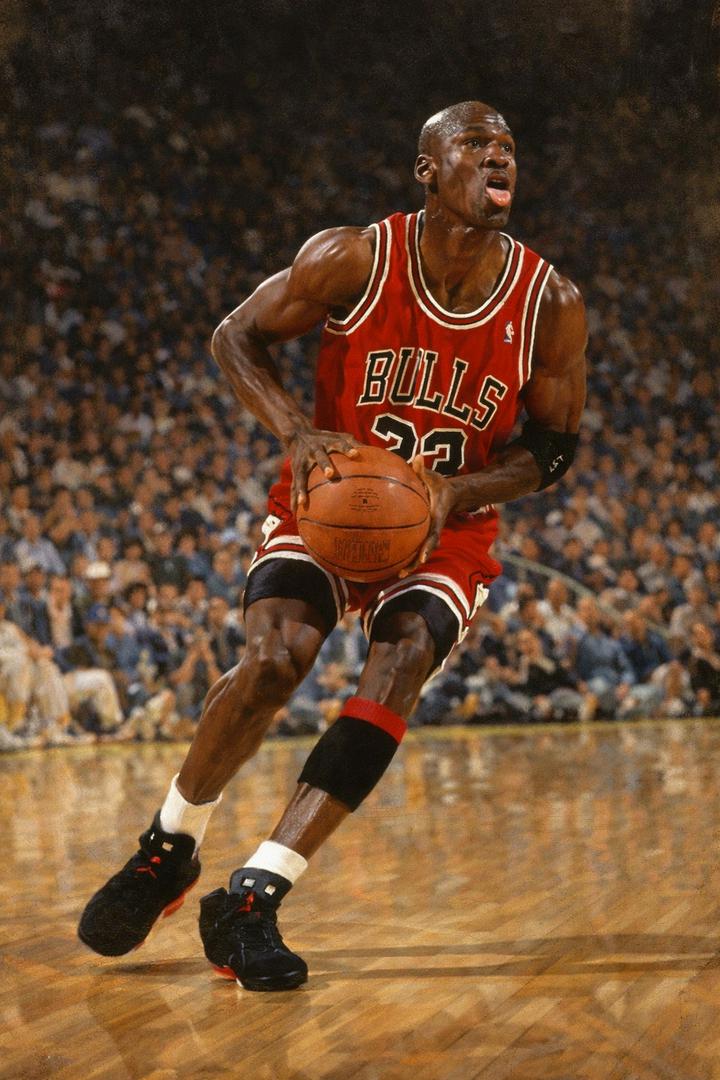
On December 21, 1991, the Chicago Bulls were deep into a season that would further solidify their place in sports history. Just months earlier, they had captured their first NBA championship, and the momentum had not slowed. Late-December games during this period were not about standings alone. They were part of a broader moment where basketball became global theater. At the center of it all was Michael Jordan. By the winter of 1991, Jordan was no longer just an elite athlete. He was a cultural force. His performances were broadcast worldwide, his image saturated advertising, and his presence helped redefine how Black excellence was seen and consumed in American media. Each game added to a growing mythology built on skill, discipline, and relentless competitiveness. The Bulls were not a one man story. With Scottie Pippen emerging as a dominant two-way force and a roster built on chemistry and trust, the team represented a new model of excellence. They played with confidence, control, and a visible belief that they belonged on the biggest stage every night. Late December games like those played around December 21 mattered because they kept that image in constant rotation. Winter broadcasts, packed arenas, and national attention reinforced the idea that greatness was not seasonal or situational. It was consistent. For many viewers, especially young fans watching from afar, this era shaped how they understood achievement, leadership, and representation. By the end of the 1991–1992 season, the Bulls would repeat as champions. But long before the trophy was lifted, moments like December 21 were already doing the work. They were building legacy in real time. #ChicagoBulls #MichaelJordan #NBAHistory #SportsCulture #BlackExcellence

LataraSpeaksTruth

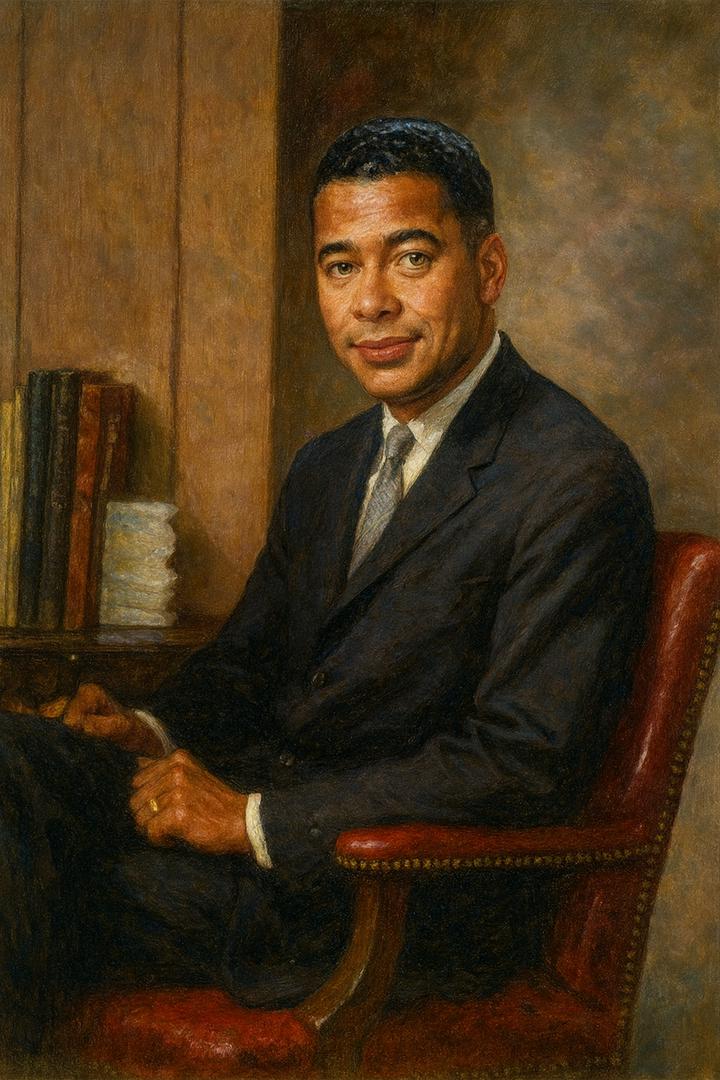
Edward Brooke’s journey didn’t begin with a viral moment or a spotlight. It began at Howard University, where he earned his undergraduate degree in 1941 at a time when Black excellence was expected to survive quietly, not be celebrated. Howard wasn’t just a campus. It was a proving ground for minds forced to understand systems never designed for them. Brooke left with discipline and direction, then stepped into World War II, serving as a U.S. Army officer and returning home with a Bronze Star and a sharper understanding of the country he was expected to serve. After the war, Brooke earned his law degree from Boston University School of Law in 1948. No shortcuts. No favors. Just credentials, patience, and persistence layered over experience. That steady climb carried him somewhere the system never expected him to land. In 1966, Edward Brooke became the first Black U.S. senator elected by popular vote. Not appointed. Not inherited. Voted in. By the people. In Massachusetts. His rise mattered because it wasn’t loud. It was deliberate. He didn’t break the system with spectacle. He forced it to acknowledge him through preparation and endurance. In a country built to block the stairs, he climbed them anyway. Step by step. Howard wasn’t the finish line. It was the foundation. And the rest of the story proves that history doesn’t always announce itself. Sometimes it shows up early, does the work quietly, and waits decades for the room to change. #OnThisDay #December11 #EdwardBrooke #HowardUniversity #BostonUniversityLaw #USHistory #PoliticalHistory #CivilRightsEra #BlackExcellence

LataraSpeaksTruth

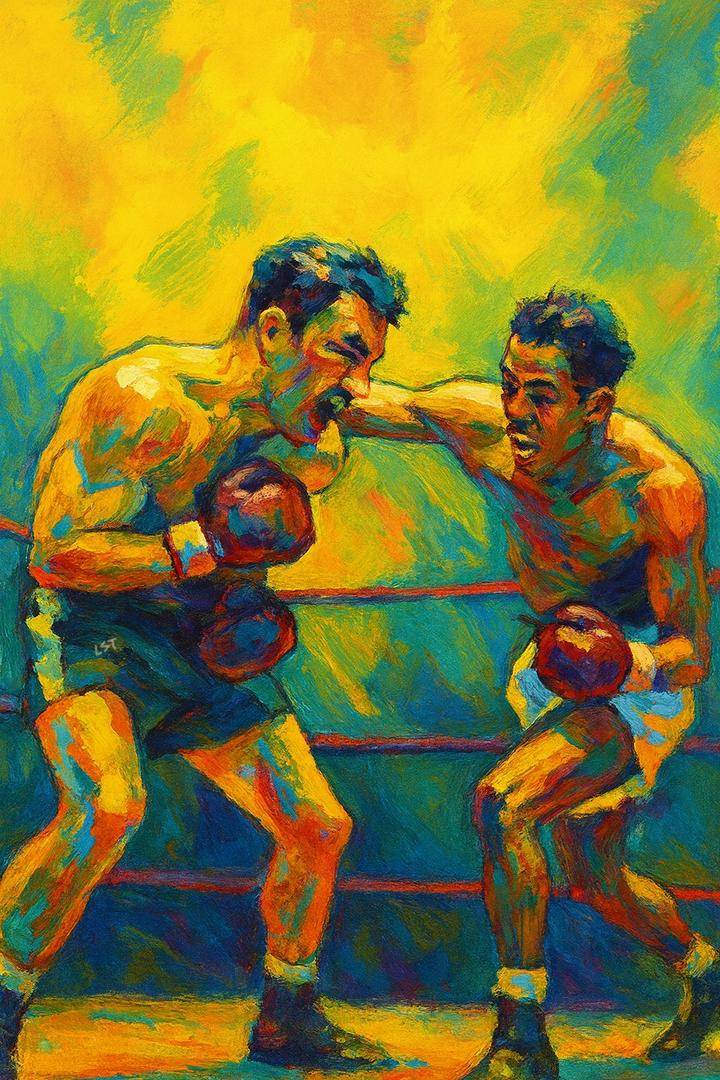
December 10 marks a moment that shook the sports world in 1965. Sugar Ray Robinson, the man many still consider the greatest boxer to ever lace a pair of gloves, officially stepped away from the ring and closed a career that feels almost mythical in hindsight. He retired with world titles in the welterweight and middleweight divisions and more than 100 knockouts across eras where every fight was a battle for legacy. Sugar Ray wasn’t just skilled, he was the blueprint. Footwork light as conversation, timing sharp as intuition, movement that looked like it should have been captured in poetry instead of film. He shifted how fighters trained, strategized, dreamed. Whole generations studied him. Whole styles were born from his rhythm. His retirement on this day was bigger than a personal decision. It marked the end of a chapter in American sports history, a moment where fans knew they were watching the closing of something rare, something unmatched. A career that rewrote expectations. A fighter who redefined excellence. A legend who stood alone. There are champions. There are icons. And then there is Sugar Ray Robinson, a name that still commands respect every single time it’s spoken. His legacy didn’t end with retirement. It expanded, echoing through every fighter who studied the art of footwork, precision, and heart. #BlackHistory #BlackExcellence #OnThisDay #SportsHistory #BoxingHistory #SugarRayRobinson #LataraSpeaksTruth

LataraSpeaksTruth

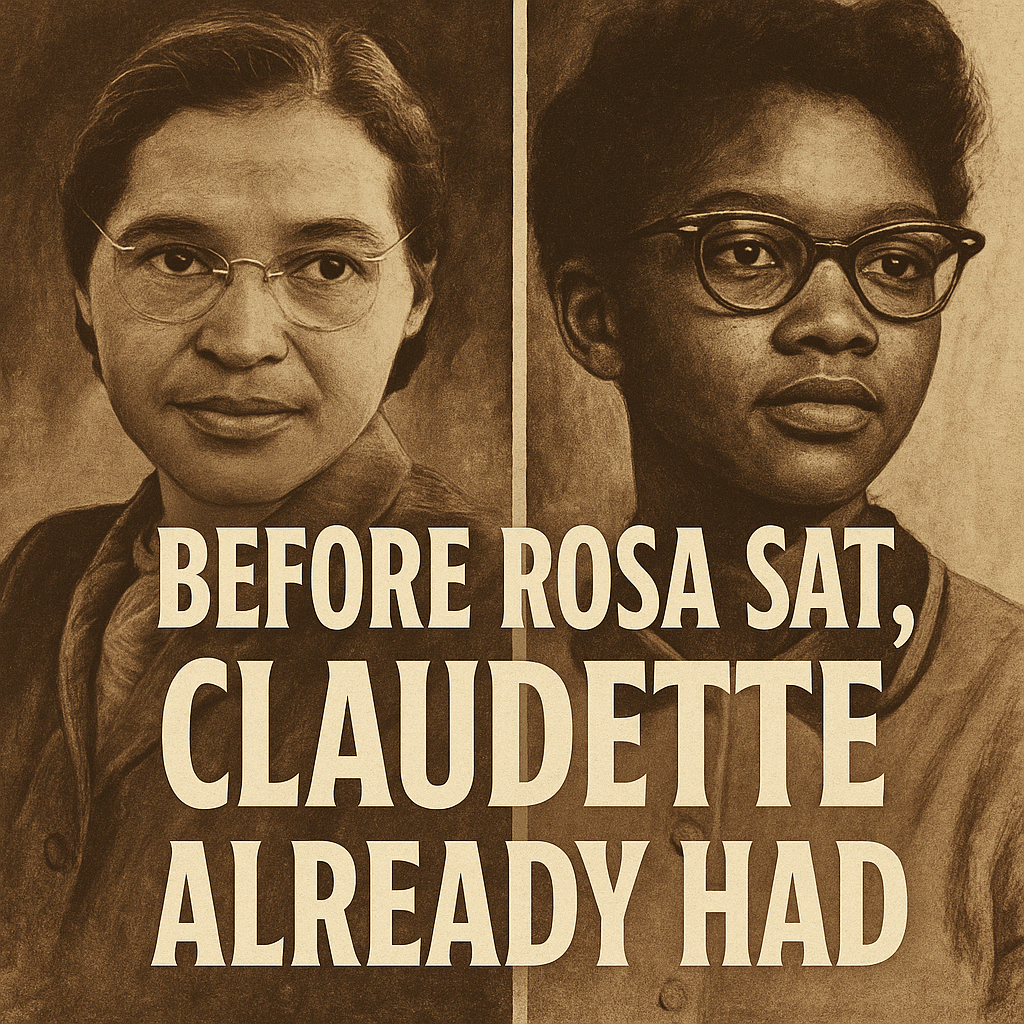
🚌Before Rosa Sat, Claudette Already Had.

Nine months before Rosa Parks made history, a 15-year-old girl named Claudette Colvin refused to give up her seat on a Montgomery bus. She was young, bold, and fearless, but the movement wasn’t ready to rally behind her. They called her “too rebellious,” “too dark,” “too unpolished.” So when Rosa Parks, a seasoned activist and NAACP secretary, made that same choice, the world finally paid attention. Not because the act was new… but because society decided who was allowed to represent it. Rosa knew the risk. She knew the story before hers. And she made her moment count, turning one woman’s refusal into a movement’s awakening. 🕊️ She passed away on this day in 2005, but her courage, and Claudette’s… still ripple through every generation learning that “quiet” does not mean “compliant”. #ClaudetteColvin #RosaParks #BlackHistory #CivilRights #LataraSpeaksTruth #WomenOfCourage #HiddenFigures #KnowYourHistory #BlackExcellence #LegacyAndTruth

🚌Before Rosa Sat, Claudette Already Had.
You've reached the end!