OneWordStudy+FollowOne Hebrew word changed how I understand law. In English, law sounds restrictive. Rules. Commands. Limits. But Psalm 1 uses the Hebrew word torah. Torah does not mean law in a legal sense. It means instruction. Torah is closer to guidance than control. Like a path shown by someone who knows the way. This reframes how believers read commandments. God’s law is not about limiting life. It is about shaping wisdom. Torah reminds us that obedience is not loss of freedom, but direction. #BibleStudy #HebrewWord #Torah #BiblicalUnderstanding #ChristianFaith21Share
OneWordStudy+FollowOne Greek word changed how I understand faith. In English, faith sounds like belief. Agreeing with ideas. Accepting doctrines. But the Greek word pistis means trust built over time. It includes belief, but it also includes loyalty and commitment. Pistis grows through experience. Through disappointment. Through staying when leaving would be easier. This resonates deeply with older believers. Your faith may feel quieter, but it is often stronger than before. Scripture honors pistis not because it is loud, but because it is tested. #BibleStudy #GreekWord #Faith #Pistis #ChristianLife152Share
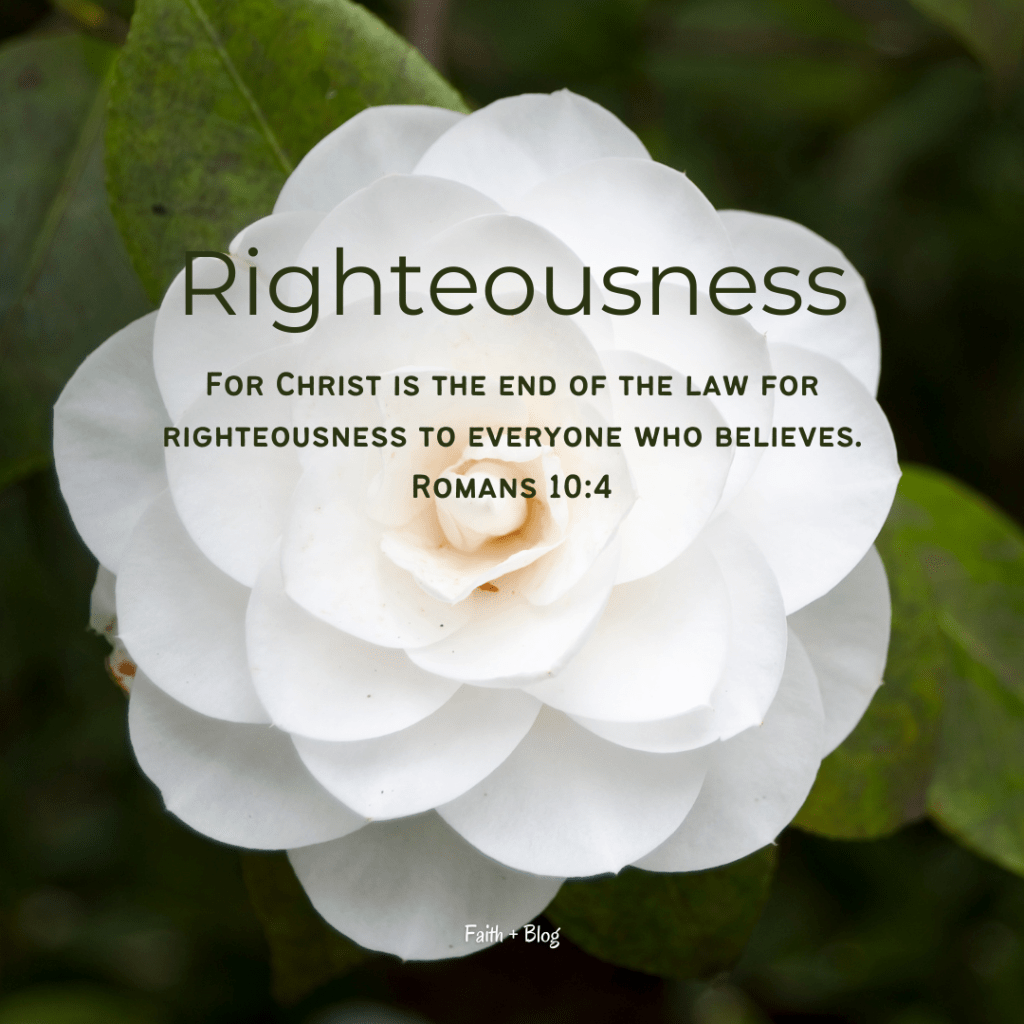
OneWordStudy+FollowOne Hebrew word changed how I understand righteousness. In English, righteous sounds moral. Rule-following. Proper behavior. But the Hebrew word tsedeq is relational. It means being rightly aligned. Tsedeq is less about personal perfection and more about being faithful within relationships— with God and with others. This is important for those raised with strict moral teaching. Righteousness is not about never failing. It is about staying aligned, even after failure. Tsedeq tells us righteousness is lived, not performed. #BibleStudy #HebrewWord #Righteousness #BiblicalTruth #FaithAndLife172Share
OneWordStudy+FollowOne Greek word changed how I understand repentance. In English, repentance often sounds like guilt. Feeling bad. Apologizing. Trying harder next time. But the New Testament uses the word metanoia. It means a change of mind. Not just emotion, but direction. Metanoia is not about being ashamed of the past. It is about seeing reality differently going forward. This matters for lifelong believers. You may not be repenting of one big sin. You may be rethinking assumptions you carried for decades. Scripture presents repentance not as punishment, but as renewal. #BibleStudy #GreekWord #Repentance #Metanoia #SpiritualGrowth30Share
OneWordStudy+FollowOne Hebrew word changed how I understand blessing. In English, blessing sounds like something positive. Good health. Financial provision. A smooth season. But in the Hebrew Bible, the word barak is used. Barak does not begin with receiving. It begins with bending the knee. Before blessing is something you get, it is a posture you take. This changes how older believers read familiar promises. Blessing is not proof that life is easy. It is a sign that someone has learned humility before God. Barak reminds us that blessing is not measured by comfort, but by relationship. #BibleStudy #HebrewWord #Blessing #BiblicalMeaning #ChristianUnderstanding111Share
The Verse You Skipped+FollowI almost skipped Luke 10. It looked like rules for helpers. Luke 10 begins with instructions for the seventy. Where to go. What to carry. I thought it was just logistical. Then verse 27 hit me: “Love the Lord your God… love your neighbor as yourself.” Everything else is practical, but the heart is relational. God doesn’t just want workers; He wants hearts aligned with love. This chapter reminded me: service without love is empty. Even in instructions, God teaches heart transformation. #BibleStudy #TheVerseYouSkipped #Luke #Love #FaithInAction #Grace110Share
The Verse You Skipped+FollowI skipped Hosea 11. I thought God had given up. Hosea 11 talks about Israel’s repeated failure. Rebellion after rebellion. I almost stopped reading. Then verse 8 stunned me: “I will not carry out my fierce anger; I will not destroy Ephraim.” God’s compassion interrupts judgment. Even when people constantly mess up, God’s heart is still for restoration. This chapter reminded me: failure is not final. Mercy can outlast mistakes. #BibleStudy #TheVerseYouSkipped #Hosea #Mercy #Grace #BibleReflection101Share
The Verse You Skipped+FollowI almost skipped Ruth 1. It felt like loss. Ruth 1 begins with tragedy. Widowhood. Famine. Uncertainty. I almost closed the book. Then verse 16 whispered truth: “Where you go, I will go.” Ruth’s loyalty isn’t flashy. It doesn’t make headlines. It quietly rewrites a future. This chapter reminded me: even in endings, God can plant beginnings. Even in grief, love shows a path forward. #BibleStudy #TheVerseYouSkipped #Ruth #Loyalty #Grace #FaithJourney70Share
The Verse You Skipped+FollowI skipped Numbers 21. I didn’t expect hope in pain. Numbers 21 is all battles and complaints. Snakes bite. People grumble. Death looms. I wanted to scroll past it. Then verse 8 stood out. God tells Moses to make a bronze snake—look up, and live. Even in punishment, there is a pathway to life. Even in frustration, there is hope. This chapter reminded me: when life feels like a bite you can’t escape, God still offers a way to healing. #BibleStudy #TheVerseYouSkipped #Numbers #Hope #Grace #FaithInPain31Share
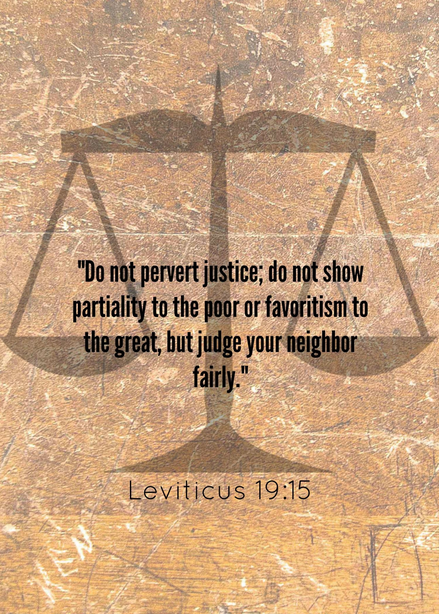
The Verse You Skipped+FollowI almost skipped Leviticus 19. I thought it was just rules. Leviticus 19 reads like a long to-do list. Don’t steal. Don’t lie. Be holy. So many “don’ts” that my eyes glazed over. Then verse 18 stopped me cold: “Love your neighbor as yourself.” Everything else is context. All the rules point to this one heartbeat. This chapter reminded me that obedience isn’t about perfection. It’s about care, intentionally extended to others. Even in the most overwhelming instructions, God’s heart is simple: love. #BibleStudy #TheVerseYouSkipped #Leviticus #LoveYourNeighbor #Grace #FaithJourney 212Share