Tag Page AmericanHistory

#AmericanHistory
LataraSpeaksTruth

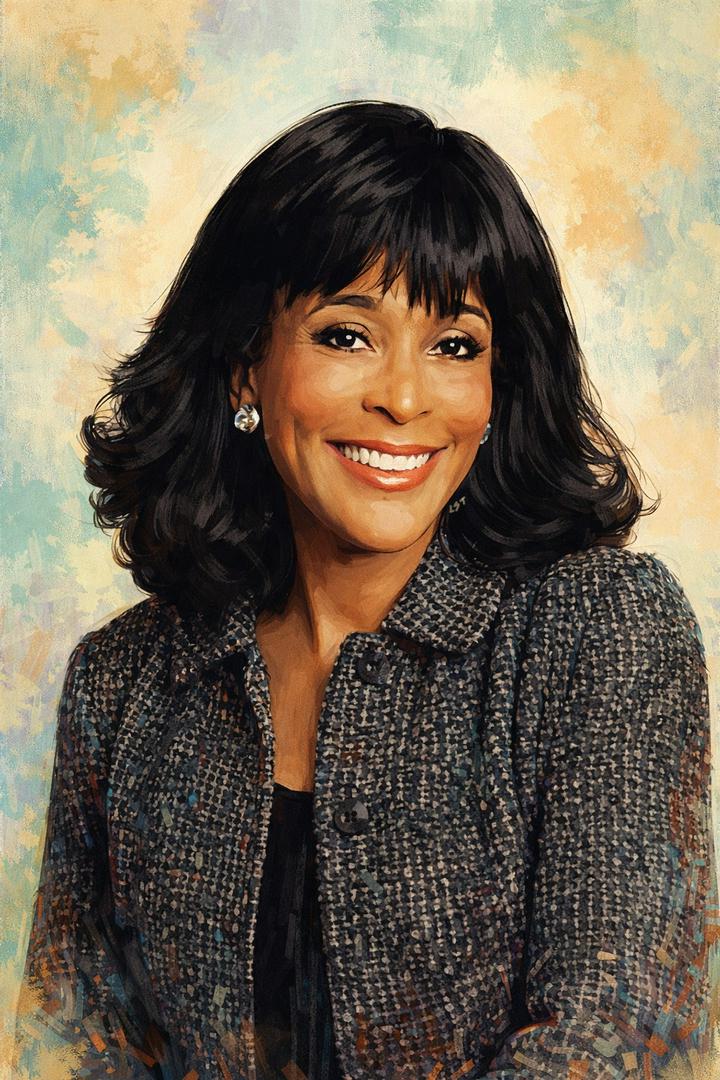
Faye Wattleton was not a background figure in American policy… she was a force. Rising from a background in nursing and public health, she became the first woman and the first Black woman to serve as president of Planned Parenthood. That alone would’ve been historic. What made her legacy heavier was how unapologetically she reframed the conversation around healthcare, autonomy, and leadership. She didn’t speak softly to make others comfortable. She spoke clearly to make systems accountable. At a time when Black women were routinely excluded from national policy leadership, Wattleton stood at the center of it, shaping debates that still ripple today. Her work bridged healthcare, civil rights, and feminism without asking permission from any one camp. She proved that authority doesn’t have to ask to be legitimized… it just shows up prepared. #FayeWattleton #AmericanHistory #WomenInLeadership #PublicHealth #PolicyAndPower #HealthcareAdvocacy #WomenWhoLed #BreakingBarriers #LeadershipMatters

LataraSpeaksTruth

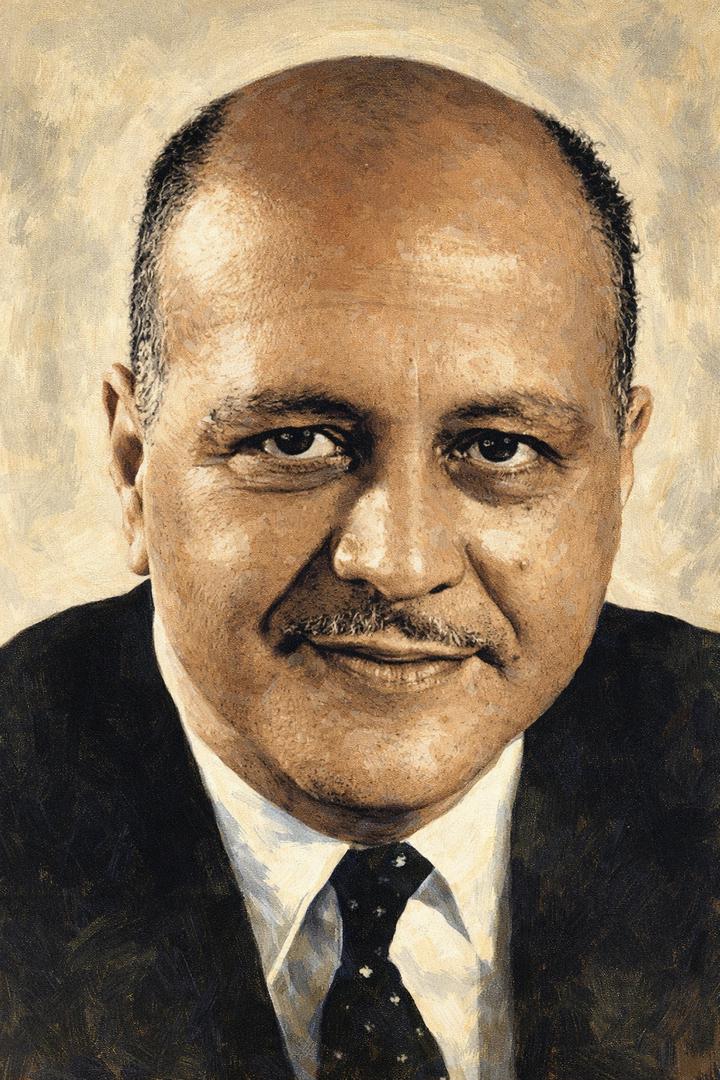
January 13, 1966 was not a ceremonial first or a symbolic nod. It was a structural shift. On this day, President Lyndon B. Johnson appointed Robert C. Weaver as Secretary of Housing and Urban Development, making him the first Black person to serve in a United States presidential cabinet. That title mattered—because cabinet positions shape policy, not headlines. They control budgets, regulations, and the direction of federal power. Weaver was not chosen for visibility. He was chosen for competence. Long before his appointment, he had already shaped federal housing policy behind the scenes, serving across multiple administrations as an economist and housing expert. He understood urban development from the inside out at a time when American cities were being reshaped by highway construction, displacement, and decades of neglect. HUD itself was a brand-new department, created to confront housing inequality, urban decay, and community development. Placing Weaver at its helm was not accidental. It put a Black expert in charge of a federal agency that directly affected millions of working families, renters, and city residents—many of whom had been excluded from fair housing and opportunity for generations. This moment challenged the quiet rule that Black leadership could advise but not decide. Weaver did not simply sit at the table. He signed documents, approved programs, and directed national policy. His appointment cracked a door that had been sealed shut since the founding of the republic. January 13 stands as a reminder that progress is not just about representation. It is about authority. About who is trusted with power. And about who is allowed to shape the future of the country in real, measurable ways. #OnThisDay #January13 #AmericanHistory #USGovernment #HousingPolicy #UrbanDevelopment #CabinetHistory #HiddenHistory #PoliticalFirsts

LataraSpeaksTruth

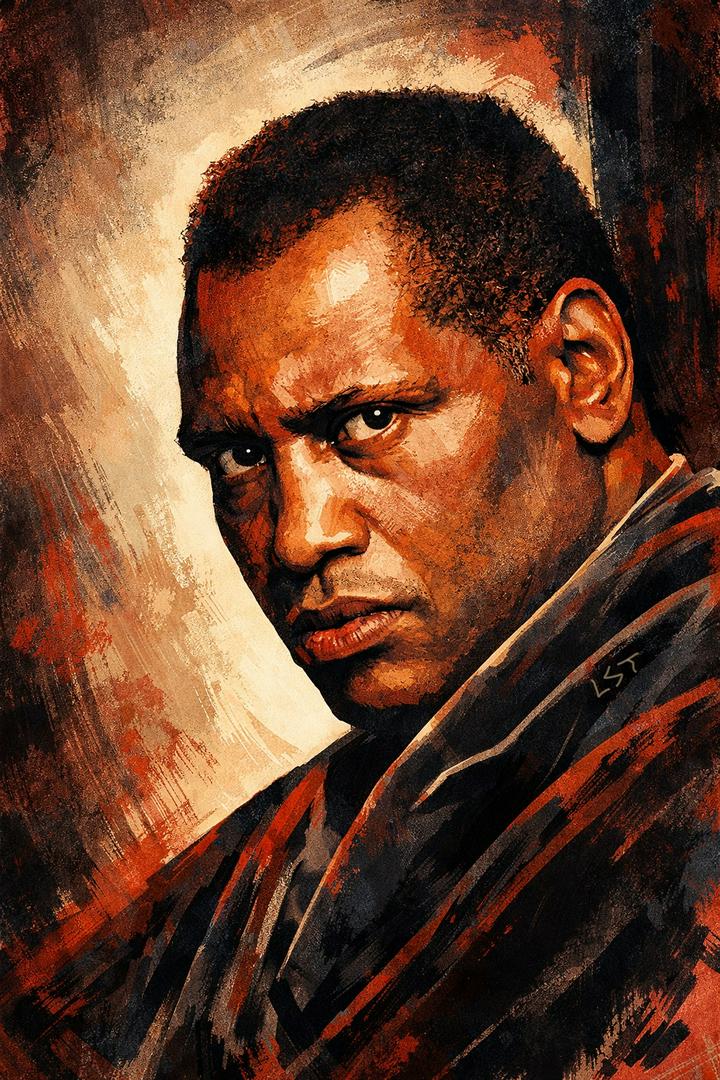
Paul Robeson was a reminder of what happens when extraordinary talent refuses to stay obedient. Robeson was never just one thing. He graduated from Rutgers University as valedictorian and became an All American athlete at a time when excellence from Black Americans was tolerated only when it stayed quiet and contained. He later emerged as a world renowned singer whose powerful bass voice filled concert halls across Europe, where audiences recognized his brilliance even as the United States struggled to acknowledge it. He was also a celebrated actor who expanded what presence, authority, and dignity could look like on stage and screen. That level of achievement could have secured comfort, wealth, and a carefully protected legacy. Many would have taken that deal. Robeson did not. He chose truth over approval. He spoke openly about racial violence in the United States and connected it to colonial oppression abroad. He challenged fascism overseas while calling out hypocrisy at home. He rejected the idea that freedom could exist if it was selectively applied. To Robeson, democracy without equality was performance, not principle. That honesty carried consequences. The U.S. government revoked his passport. Concert venues closed their doors. Media outlets erased his name. His work was sidelined, his reputation deliberately distorted, and his voice muted, not because he lacked talent, but because his influence made power uncomfortable. Robeson understood something that still unsettles people today. Culture is political whether it admits it or not. Art without conscience is decoration. Dignity does not require permission. His life forced America to confront its contradictions. He paid a heavy price for refusing to bend, but history has a long memory. Voices rooted in truth do not disappear. They endure. They return. They echo. #PaulRobeson #BlackHistory #HiddenHistory #AmericanHistory #TruthTellers #CulturalHistory #Legacy #HistoryMatters #VoicesThatEcho

LataraSpeaksTruth

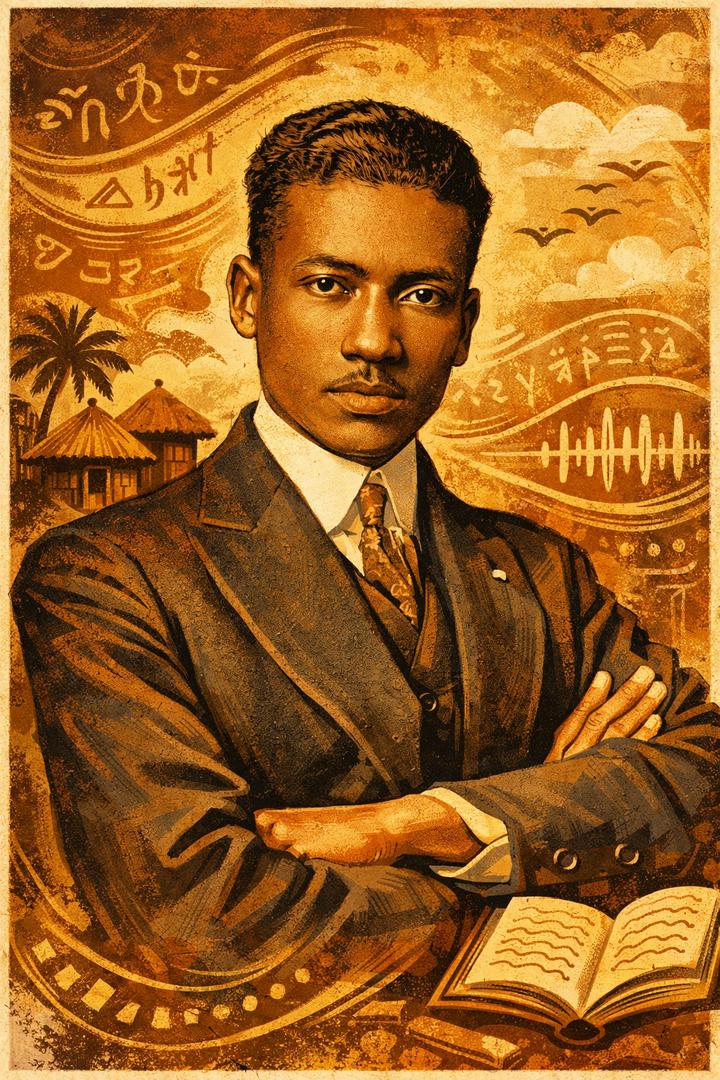
Lorenzo Dow Turner didn’t just study language…he rescued it from erasure. At a time when mainstream scholarship insisted that the descendants of enslaved Africans had lost their original languages and intellectual systems, Turner did the unthinkable…he listened. And what he heard shattered a lie that had been protected for generations. Through years of meticulous research, field recordings, and direct engagement with Gullah Geechee communities, Lorenzo Dow Turner proved that Gullah Geechee speech was not broken English or linguistic decay. It was retention. African grammar, vocabulary, tonal patterns, and structure had survived the Middle Passage and centuries of forced assimilation. Languages like Wolof, Mende, Yoruba, and others were still echoing in everyday speech along the Sea Islands of the American South. This was more than linguistics. It was evidence of memory. Of continuity. Of intelligence that refused to die quietly. Turner showed that culture didn’t disappear under bondage…it adapted, disguised itself, and passed from mouth to ear when books were forbidden and history was denied. Why does this matter now. Because language is proof of humanity. If language survived, then so did knowledge systems, values, and ways of understanding the world. Turner’s work dismantled the myth that enslavement erased African identity. It didn’t. It challenged the idea that survival must look pristine to be legitimate. Sometimes survival sounds like a cadence. A rhythm. A way of speaking that carries centuries inside it. Lorenzo Dow Turner didn’t just document a people. He restored truth to the record. #LorenzoDowTurner #GullahGeechee #LanguageIsMemory #CulturalSurvival #HiddenHistory #AfricanDiaspora #AmericanHistory #Linguistics #WeRemember

LataraSpeaksTruth

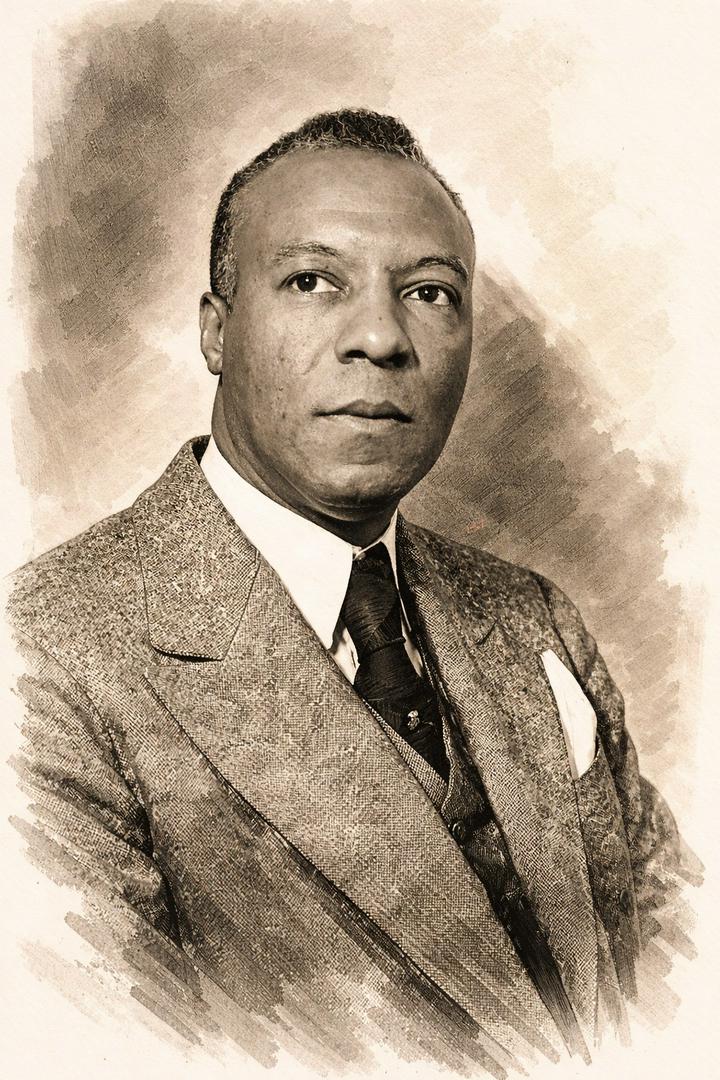
On January 6, 1941, A. Philip Randolph made a move that rarely gets credited the way it should. He formally escalated plans for what became the March on Washington Movement, not as a ceremony, not as a speech tour, but as a direct threat. One hundred thousand Black workers would descend on Washington, D.C., during wartime, to expose racial discrimination inside the very defense industries claiming to protect democracy. This was not a symbolic march. It was an economic pressure campaign. Randolph understood leverage. Defense factories were booming as the U.S. prepared for World War II, yet Black workers were routinely excluded from skilled positions and union membership. Randolph made it clear that the government could not preach freedom abroad while enforcing exclusion at home. The threat worked. Faced with the possibility of a mass protest that would embarrass the administration on a global stage, President Franklin D. Roosevelt acted. Later that year, he issued Executive Order 8802, banning racial discrimination in defense industries and federal contracts and establishing the Fair Employment Practices Committee to enforce it. There was no televised showdown. No viral slogan. No sudden moral awakening. This change happened because Randolph was willing to apply pressure where it hurt…labor, production, and international reputation. The march itself was ultimately called off, but the goal had already been achieved. This is one of those moments in history that later gets softened. The policy change is remembered. The discomfort that forced it is not. But make no mistake, this didn’t “just happen.” It happened because Randolph was prepared to embarrass the federal government during wartime and understood that quiet leverage often moves the needle faster than loud applause. That is how power actually shifts. #BlackHistory #January6 #APhilipRandolph #MarchOnWashingtonMovement #LaborHistory #AmericanHistory #HiddenHistory #CivilRightsHistory #EconomicPressure

LataraSpeaksTruth

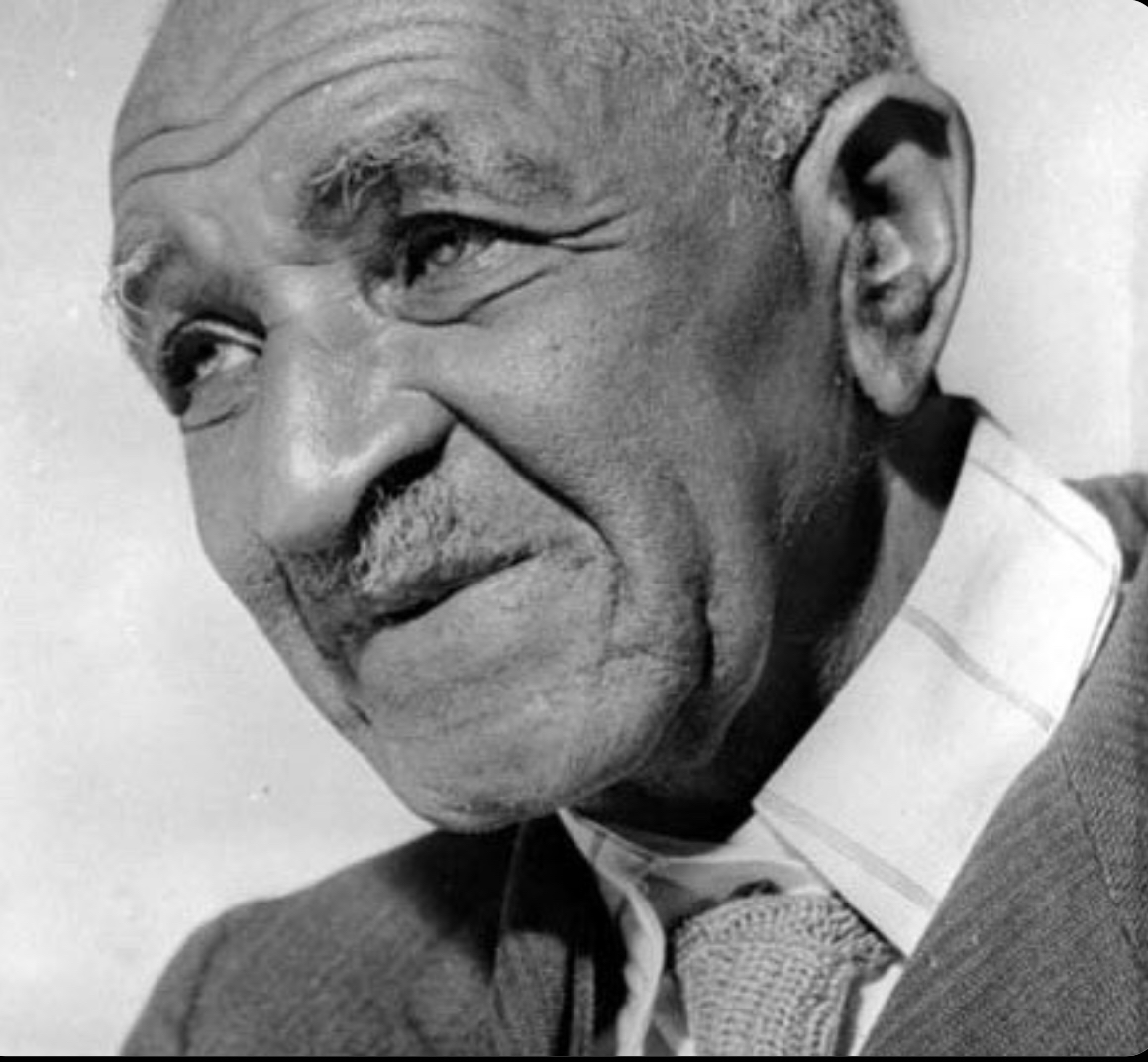
On January 5, 1943, George Washington Carver passed away in Tuskegee, Alabama. He did not leave this world in some distant, unreachable past. He died in a time that still overlaps with living memory. When Carver took his final breath, my grandmother was nine years old. And my grandmother is still here. That fact alone changes how his story feels. It collapses the distance between history and now. Carver was not just a figure from textbooks or black and white photographs. He lived in a world that still exists through the elders among us. He walked the same country they did. He shared the same century. His lifetime touches ours through them. Seeing his image in color makes that reality even harder to ignore. The lines in his face, the calm in his expression, the unmistakable presence of a man who was fully here. Not symbolic. Not abstract. Real. Brilliant. Human. It forces a pause and a reckoning with how close greatness actually is. Carver devoted his life to knowledge, education, and service. He chose impact over profit and purpose over recognition. His work continues to shape agriculture and science, but this moment reminds us of something quieter and just as powerful. History is not as far away as we think. Sometimes it is only one generation removed, living right beside us, waiting for us to notice. #GeorgeWashingtonCarver #LivingHistory #OnThisDay #January5 #AmericanHistory #Legacy #Tuskegee #HistoryFeelsDifferent #ThenAndNow

LataraSpeaksTruth

January 4 marks the birth of Floyd Patterson, born January 4, 1935, a champion whose legacy is often quieter than it deserves to be. Patterson rose from a troubled childhood to become the youngest heavyweight champion in boxing history at just 21 years old, a record that stood for decades. He wasn’t loud, cruel, or theatrical. He fought with precision, speed, and discipline, representing an older tradition of boxing rooted in craft rather than spectacle. In a sport that rewarded intimidation, Patterson carried himself with humility, which made him both admired and misunderstood. His career is often framed around his losses to Sonny Liston, but that framing misses the larger truth. Patterson became the first heavyweight champion in history to lose the title and later reclaim it, a feat that required resilience most champions never have to test. Outside the ring, he was thoughtful and deeply affected by criticism, yet he continued to fight, train, and show up anyway. Floyd Patterson proved that strength does not always announce itself and that greatness does not require cruelty to be real. January 4 is not empty history. It belongs to a man who showed that dignity could survive even in the most unforgiving arena. #January4 #OnThisDay #FloydPatterson #BoxingHistory #HeavyweightChampion #SportsHistory #AmericanHistory #BlackHistory #Legacy #Resilience

LataraSpeaksTruth

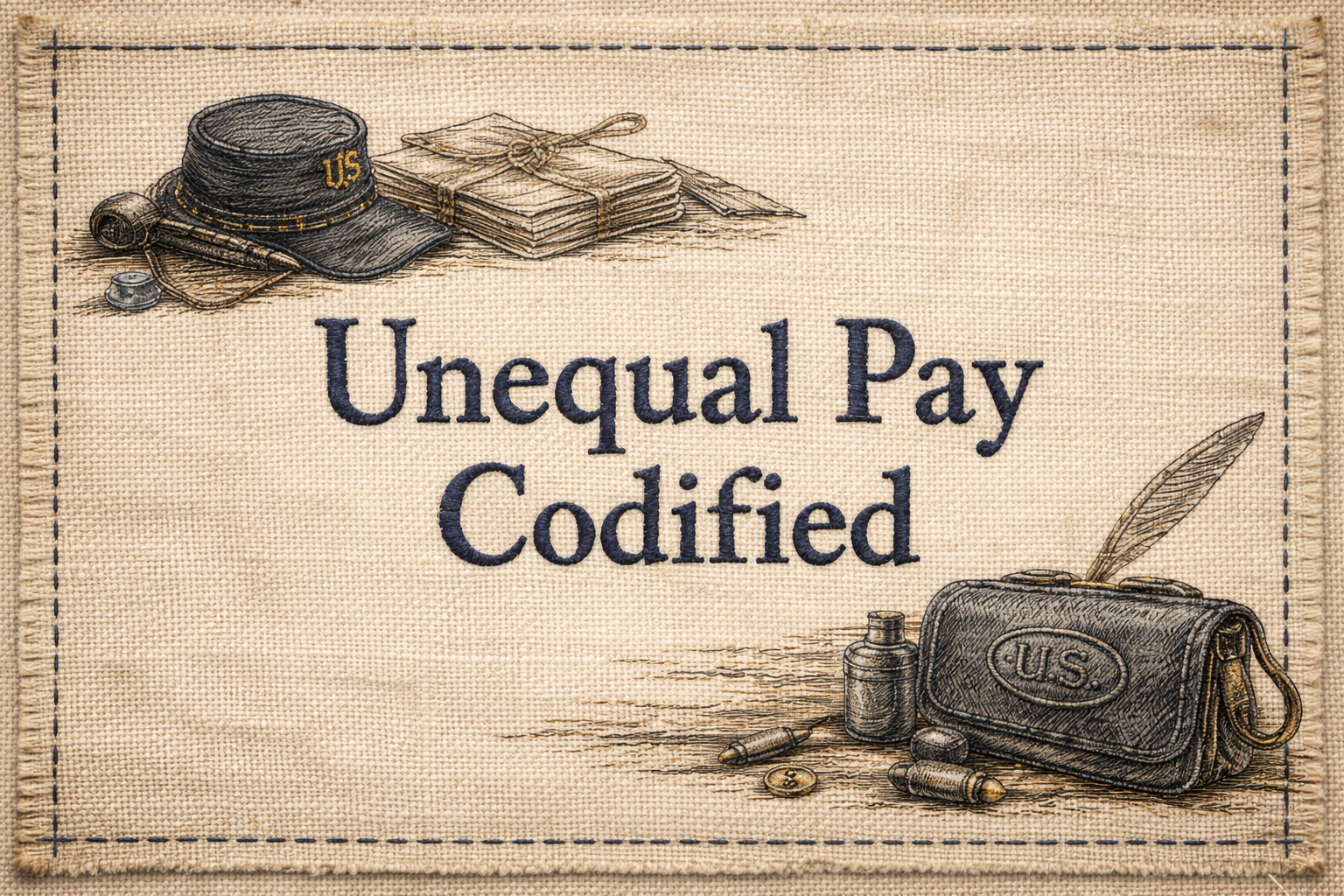
Unequal pay does not always begin with silence or confusion. Sometimes it begins with a signature. When inequality is written into policy, it stops being an attitude and becomes a rule. Bias can be denied. Policy cannot. During the Civil War, Black soldiers in the Union Army performed the same labor, faced the same danger, and fought the same enemy as white soldiers. They marched, drilled, guarded, built, and bled under the same flag. Yet federal policy declared their service worth less. Congress and the War Department set pay scales that ensured Black troops earned lower wages and lost additional money to deductions. This inequality was not accidental or temporary. It was deliberate. No announcement was needed. A ledger entry was enough. Once unequal pay became regulation, it moved quietly through clerks, officers, and administrators. Injustice became routine because it was procedural. What matters most is the response. Black soldiers did not simply endure the policy. Many refused their pay rather than legitimize discrimination. Others organized petitions and protests demanding equal wages. Their resistance was disciplined and principled. They understood that accepting unequal compensation meant accepting the logic behind it. This history reveals a larger truth about American institutions. Progress and prejudice have often advanced together. Freedom has frequently arrived with conditions attached. Equality has rarely been granted without pressure. When inequality is written into policy, it wears the disguise of legitimacy. Challenging it requires refusal, resistance, and records that expose how power operates. That is how injustice survives. And that is how it is challenged. #UnequalPay #CodifiedInequality #HiddenHistory #MilitaryHistory #BlackSoldiers #SystemicPolicy #ResistanceHistory #AmericanHistory #InstitutionalPower

Tag: AmericanHistory - Page 6 | LocalAll