Tag Page AmericanArt

#AmericanArt
LataraSpeaksTruth

Romare Bearden was one of the most influential American artists of the twentieth century, known for turning everyday Black life into unforgettable visual stories. Born on September 2, 1911 in Charlotte, North Carolina, he moved to New York City as a child during the Great Migration. Harlem became his creative home, a place filled with music, literature, and bold ideas that shaped how he saw the world. Bearden studied at New York University and explored different paths early on, but art kept calling him back. He began as a cartoonist and painter, then found the style that made him famous: collage. He combined photographs, painted paper, magazine clippings, and textured materials to build layered scenes that felt like memory brought to life. His work captured church gatherings, family moments, Southern roots, Harlem streets, and the rhythm of jazz. Instead of spotlighting a single person, he often showed the shared experience of a community. His images feel musical, like stories told in chords and fragments, then stitched into something whole. Bearden’s work has been shown in major museums, and in 1987 he received the National Medal of Arts. He passed away in 1988, but his influence is still everywhere, in exhibitions, classrooms, and in the artists who keep learning from his vision. #RomareBearden #BlackHistory #BlackArtists #ArtHistory #AmericanArt #Harlem #GreatMigration #CollageArt #CulturalHistory #HistoryMatters #HiddenHistory

LataraSpeaksTruth

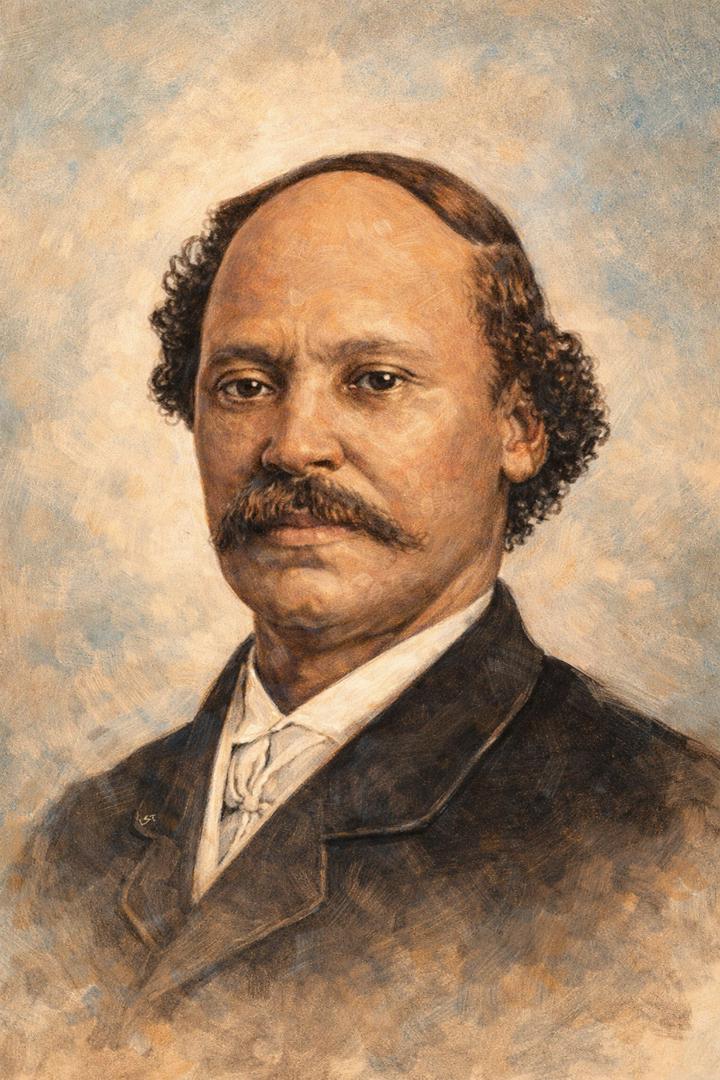
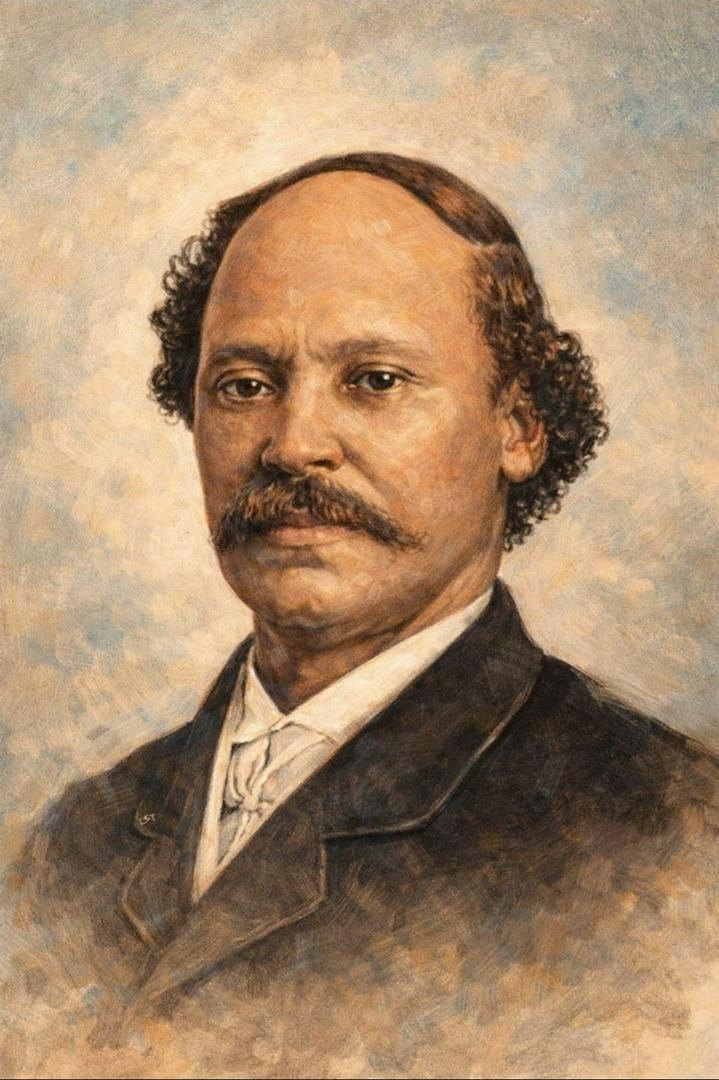
On December 21, 1872, Robert Seldon Duncanson died in Detroit, Michigan. Long before his death, however, he had already achieved something few Black Americans of the nineteenth century were permitted to attain: full participation in the international fine art world. Born in 1821, Duncanson was largely self-taught at a time when formal artistic training was effectively inaccessible to Black Americans. Despite these constraints, he developed a sophisticated command of landscape painting, drawing from European Romanticism and the traditions later associated with the Hudson River School. His work emphasized light, atmosphere, and expansive natural settings, treating landscape as a space for reflection rather than mere representation. Duncanson’s distinction lay not only in his technical ability but in the reach of his career. His paintings were exhibited widely throughout the United States and internationally, including in Canada and England. In many instances, critics praised his work without knowing it had been created by a Black American. In doing so, his success challenged prevailing assumptions about race and artistic authority through skill alone. During the Civil War, increasing racial hostility compelled Duncanson to leave the United States temporarily. Even abroad, his reputation continued to grow. When he returned, he was recognized as one of the most accomplished landscape painters of his generation, without racial qualification. When Duncanson died in 1872, he left behind more than a body of work. He left clear evidence that Black artistic achievement was already established, disciplined, and internationally respected well before the modern era. #RobertSeldonDuncanson #ArtHistory #AmericanArt #FineArtHistory #December21

You've reached the end!