1/1

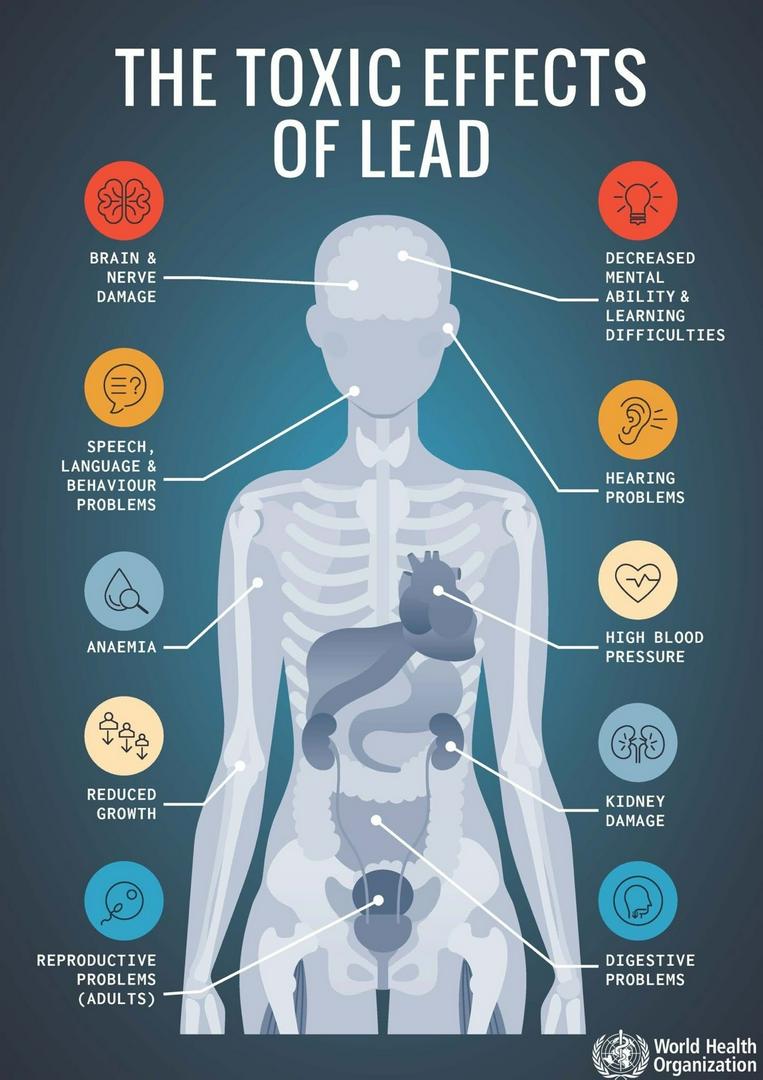
Just in case you're wondering... there is no safe level of lead. It's the biggest public health threat when it comes to neurotoxicants. There is no biodegredation. It does not break down. It reduces seed germination, alters soil enzyme activity, and root vegetables and low growing leafy plants are at risk for a higher level of uptake. Grazing animals uptake it through ingestion and it leads to neurological, digestive, reproductive, and tissue-residue problems, especially in young animals. But that's only plants and animals... And don't forget the water. Remember Flint, Michigan? 5 years of bottled water because of lead exposure in their water system? Guess what...run off from contaminated soil goes into streams and rivers that lead to municipal water storage. Cheers! How about particulate matter? As the dust settles, fine PM 2.5 containing lead will make it deeper into the lung tissues of anything that breathes. Accumulation can make its way into your blood, bones, teeth and cardiovascular system. Side of carcinogens, anyone? And children? They are at the highest risk for neurological damage from exposure. Lead paint and leaded gasoline ring a bell? Yeah, banned in most of the developed world. But let's detonate 5 tons of lead over the Midwest the day before Thanksgiving with a large storm system hitting Wednesday night bringing wind and precipitation. Like I tell my students, what goes up must come down. And there is no "away." It just goes somewhere else. ✅️ Effects on biogeochemical cycles (unit 1) ✅️ Effects on biodiversity (unit 2) ✅️ Effects on populations (unit 3) ✅️ Soil and Atmosphere (unit 4) ✅️ Agriculture and Land (unit 5) ✅ Air Pollutants (unit 7) ️✅️ Aquatic and Terrestrial Pollutants (unit 8) ✅️ HIPPCO (including habitat destruction and pollution (unit 9) ✅️ Environmental legislation It's hardly ever a good thing when current events coincide with my curriculum. Thanks to this event, I have most of AP Environmental Science covered for the res
1 hours ago
write a comment...