1/1

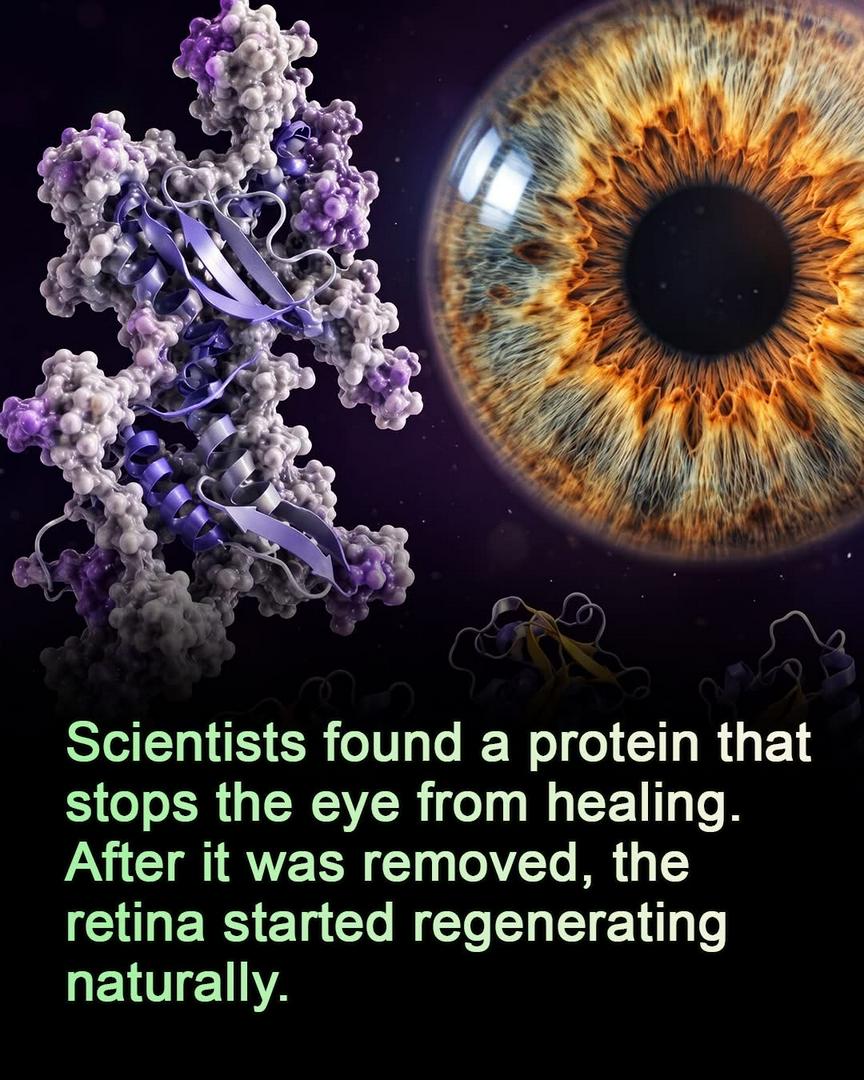
This study, led by an international team of molecular biologists and ophthalmologists, examined the regenerative limits of mammalian eyes. By analyzing how specialized support cells behave after retinal injury, researchers successfully mapped the exact chemical signals that prevent natural recovery, verifying their findings through rigorous animal laboratory models. The science centers on Müller glia cells, the retina's natural support network. While animals like zebrafish use these cells to automatically grow back lost vision, mammals cannot because a protein named PROX1 acts as a molecular "brake." It moves between cells to lock away healing genes, but researchers successfully used a custom antibody to block this protein, allowing the cells to naturally reprogram and grow brand-new retinal neurons. The incredible advantage of this therapy is that it offers a permanent, natural cure to actively rebuild the eye and reverse blindness from diseases like glaucoma, rather than just slowing the damage down.
8 hours ago
write a comment...