1/1

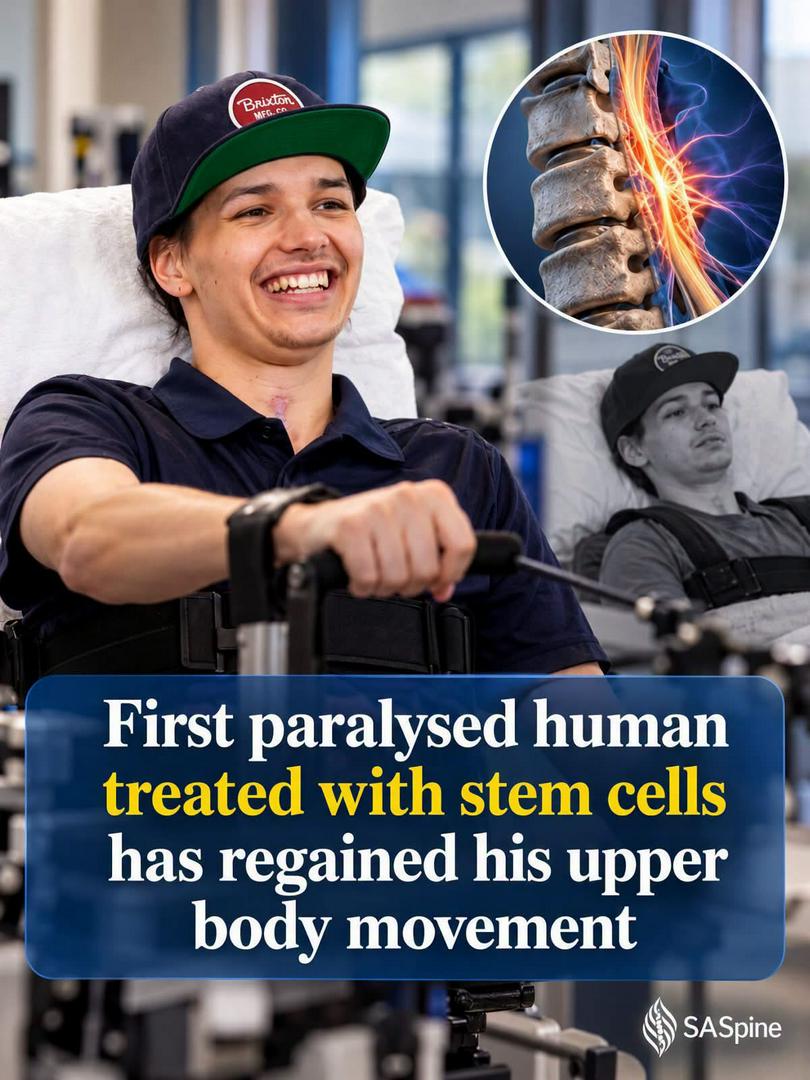
This is genuine progress. World’s first iPSC stem-cell transplant into an injured human spinal cord just showed long-term safety and real motor recovery. Researchers at Keio University transplanted induced pluripotent stem cell-derived neural stem/progenitor cells into four patients with complete subacute spinal cord injuries. About two million cells were injected 2–4 weeks after injury. After up to four years of follow-up, no tumor formation or serious graft-related side effects occurred. The median motor-score gain at one year was 13 points—better than matched historical controls—and two of the four patients improved from complete (AIS A) to incomplete grades. One regained the ability to stand and begin gait training, showing meaningful movement returning where none had been expected. This is the first time human iPSC-derived neural progenitors have been transplanted into an injured spinal cord, now published in Nature Medicine. It is not a cure, and larger controlled trials are still needed. But for a condition long considered permanent, clean long-term safety plus functional gains in half the patients is real, measurable hope. Dr. Steven Cyr shares his perspective: "Moving a patient from a complete injury to an incomplete status is a monumental shift in independence. Achieving a four-year window with zero tumor formation proves the safety profile is real, which clears the biggest hurdle for future treatment." What part of this result gives you the most hope for people living with spinal cord injury? Let us know in the comments. Follow SASpine for health news and the context behind it. #SpinalCordInjury #StemCellTherapy #RegenerativeMedicine #SpineHealth #HopeInMedicine
15 hours ago
write a comment...