1/1

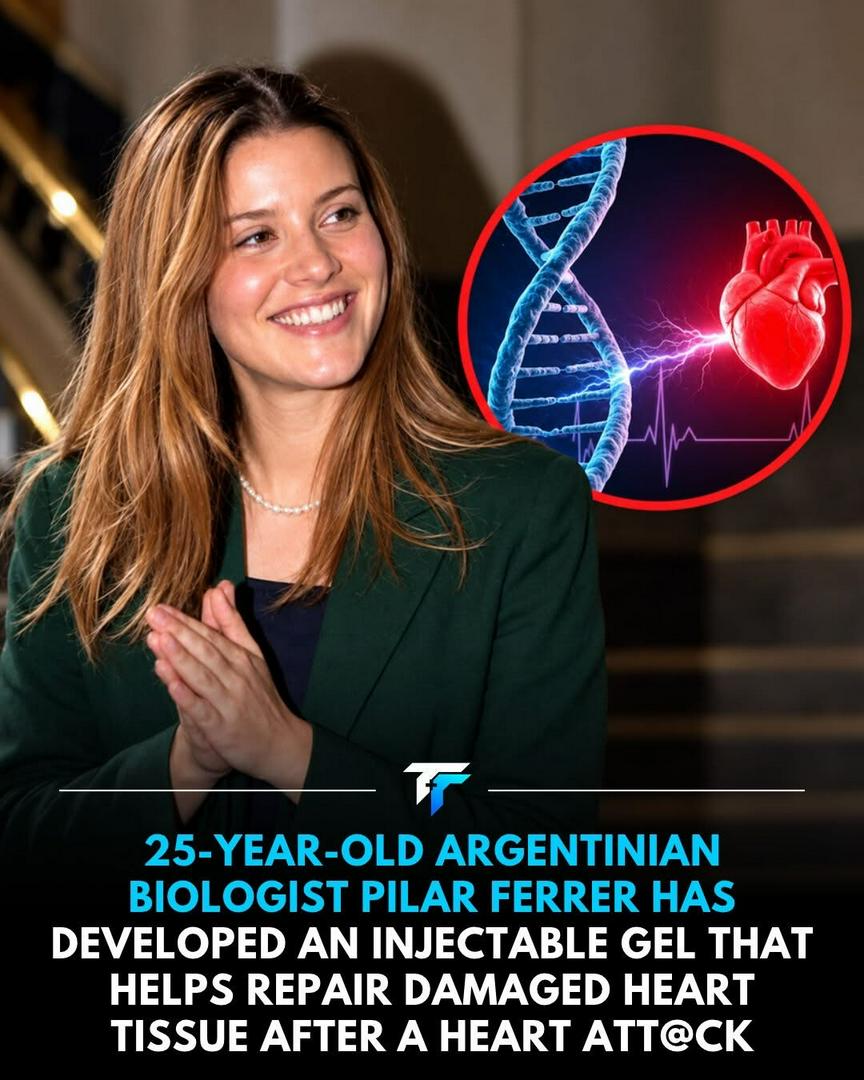
Argentinian biologist Pilar Ferrer has attracted attention for her reported work on an injectable gel designed to help damaged heart tissue recover after a heart attack. During a heart attack, blood flow to part of the heart becomes blocked, depriving muscle cells of oxygen. If circulation is not restored quickly, these cells begin to die. Unlike some other tissues, the adult human heart has a very limited ability to replace damaged muscle cells. Instead, the injured area often develops scar tissue, which cannot contract like healthy heart muscle. Scientists are investigating injectable hydrogels as a possible solution. These water-rich materials can be designed to support damaged tissue, deliver therapeutic substances, and create conditions that encourage healing. Some experimental gels contain biological molecules that interact with surrounding cells. Others are designed to provide structural support or release substances that influence inflammation and tissue repair. Researchers have reported promising results with certain cardiac hydrogels in laboratory and animal studies. However, restoring functional heart muscle remains a major scientific challenge. The specific claims about Ferrer’s invention, including its effectiveness and stage of development, require confirmation through published research or clinical trial results. An experimental treatment that improves healing in animals does not necessarily produce the same results in humans. Extensive testing is required before such technology can become an approved medical treatment. Source: American Heart Association; Nature Reviews Cardiology; research on injectable cardiac hydrogels.
1 hours ago
write a comment...