1/1

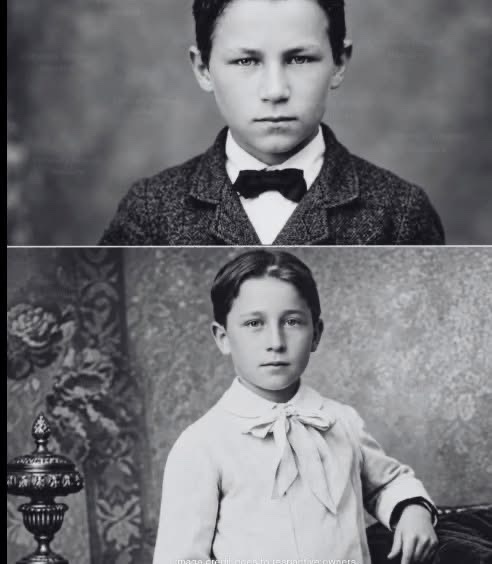
On 4 July 1885, nine-year-old Joseph Meister was attacked by a rabid dog in Alsace and bitten fourteen times. In 1885, once rabies took hold, it was considered a death sentence. His mother, Marie-Angélique, refused to accept that outcome. She treated his wounds as best she could, boarded a train, and traveled the length of France to Paris seeking a scientist she had only heard about in rumors: Louis Pasteur. Pasteur was 62. He had developed a promising vaccine tested successfully on dogs, but it had never been given to a human. He was not a licensed physician. If the boy died after treatment, Pasteur could face legal consequences and the destruction of his reputation and life’s work. Two physicians examined Joseph and confirmed that without intervention he had no chance. On the evening of 6 July 1885, the first dose was given. Over the following weeks Joseph received thirteen injections, each prepared from the spinal cord of a rabid rabbit that had been dried for progressively fewer days—each dose slightly stronger than the last. The goal was to gradually train his immune system to fight the virus before it could reach his brain. Pasteur barely slept. He monitored every fever, every cough, every quiet hour. Joseph remained well. After the final injection came the hardest part: waiting. Days turned into weeks with no convulsions, no paralysis, no symptoms. On 25 August 1885, Joseph Meister left the Pasteur Institute and returned home to Alsace—the first person in history to survive confirmed rabies exposure. Word spread quickly. Desperate parents from across Europe brought bitten children to Paris seeking the same treatment. The results continued to hold. The breakthrough also reinforced Pasteur’s broader proof that invisible microorganisms, not miasma or divine punishment, caused disease. That insight transformed medicine:
1 hours ago
write a comment...