1/1

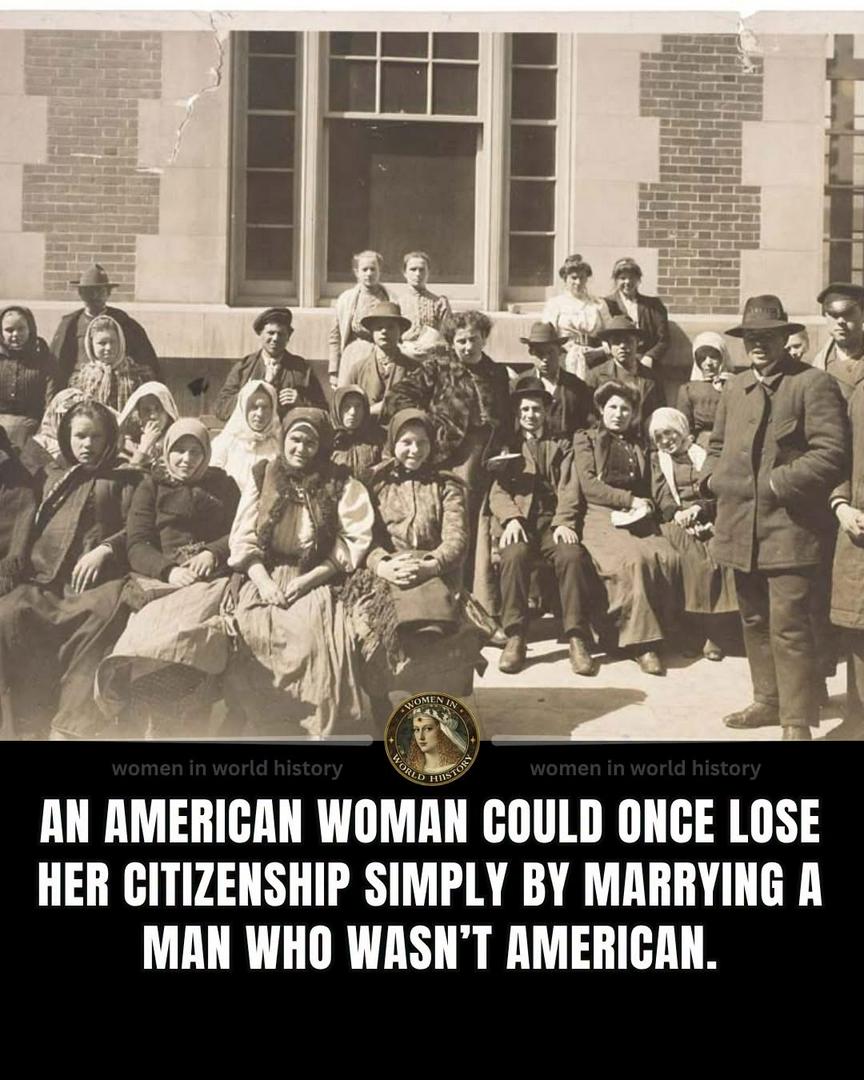
In 1907, an American woman could be born in the United States, live there her entire life, and lose her citizenship for one reason: she married the wrong man. The Expatriation Act of 1907 declared that an American woman who married a foreigner would take her husband's nationality. Her own birthplace, family history and attachment to the United States did not protect her. Marriage could legally transform an American-born woman into an alien. The rule did not apply equally to men. An American man's citizenship was not automatically surrendered because he married a foreign woman. The consequences could be severe. Some women discovered that regaining the citizenship they had possessed since birth meant going through naturalization procedures much like immigrants arriving in the country for the first time. The situation was particularly damaging for women who married men who were themselves legally barred from naturalization under America's racial restrictions. Congress finally began dismantling the system with the Cable Act of 1922. After its passage, most American women no longer automatically lost citizenship by marrying foreign men, although important discriminatory exceptions remained. Women who had already lost their citizenship were not simply given it back. In 1936, Congress created a simpler path for some women whose marriages had ended through death or divorce. It was not until 1940 that all women who had lost citizenship through marriage under the earlier law were permitted to seek repatriation regardless of whether they were still married. The history is an extraordinary reminder of how recently American law treated a married woman's national identity as something that could follow her husband's. She could be born American. Marriage could make her legally foreign.
3 hours ago
write a comment...