1/1

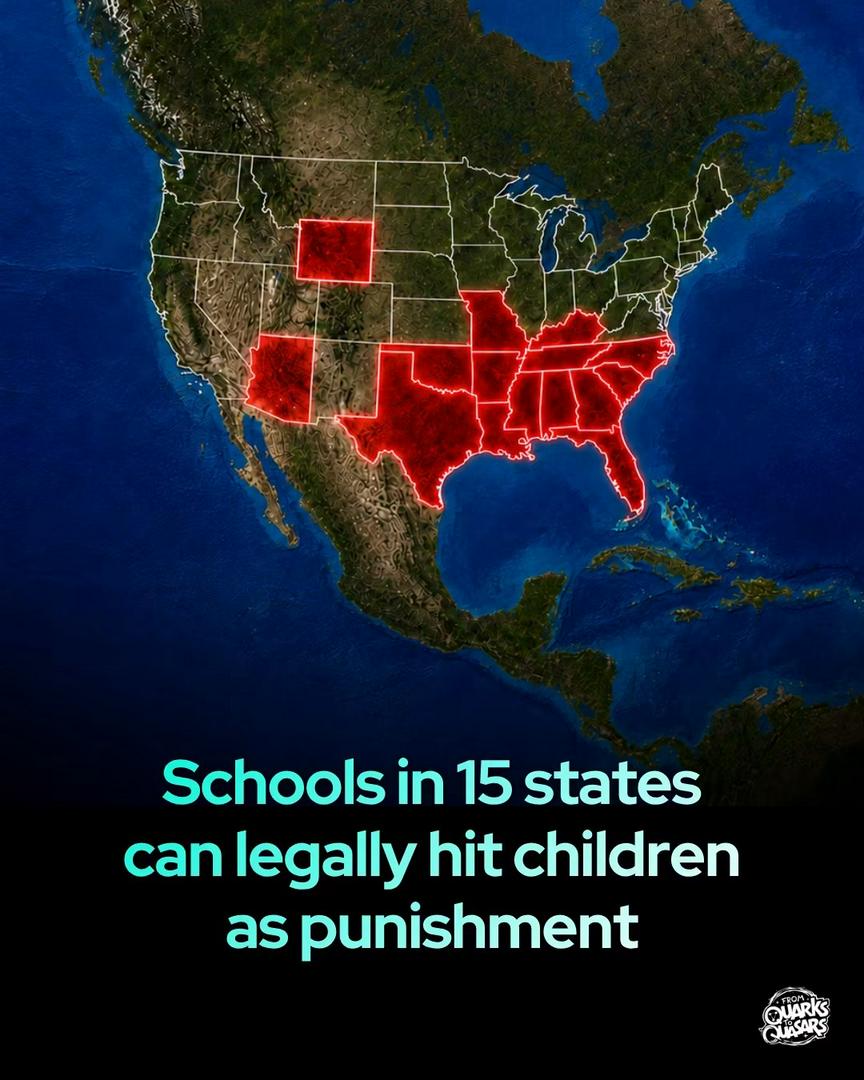
15 U.S. states still have laws allowing corporal punishment in public schools – even in 2026. There is no federal law banning the practice nationwide, leaving states and individual school districts to decide whether teachers and administrators can physically punish students. And it still happens thousands of times. The latest available federal data shows almost 32,000 reported instances of corporal punishment involving K-12 students during the 2021–22 school year. Almost all of those incidents occurred in just eight states, primarily in the South. Corporal punishment usually means paddling or spanking a student for misbehavior. At one Oklahoma elementary school profiled by NPR, the principal keeps two wooden paddles in his office. They are named “Peace” and “Harmony.” Students who are paddled place their hands on a desk before usually receiving two swats. Parents must authorize the punishment. Supporters argue that paddling can deter bad behavior while keeping children in class instead of suspending them. But major psychological organizations have reached a very different conclusion. The American Psychological Association opposes corporal punishment in schools and says research links physical discipline with harmful outcomes while finding it ineffective at producing lasting improvements in behavior. Federal data also shows that corporal punishment is not distributed evenly. Boys are much more likely to receive it, while American Indian or Alaska Native, Black and white boys have all been disproportionately represented compared with their share of enrollment. Students with disabilities have also historically been subjected to corporal punishment at disproportionate rates. "15 states have laws that allow corporal punishment in schools.
1 hours ago
write a comment...