1/1

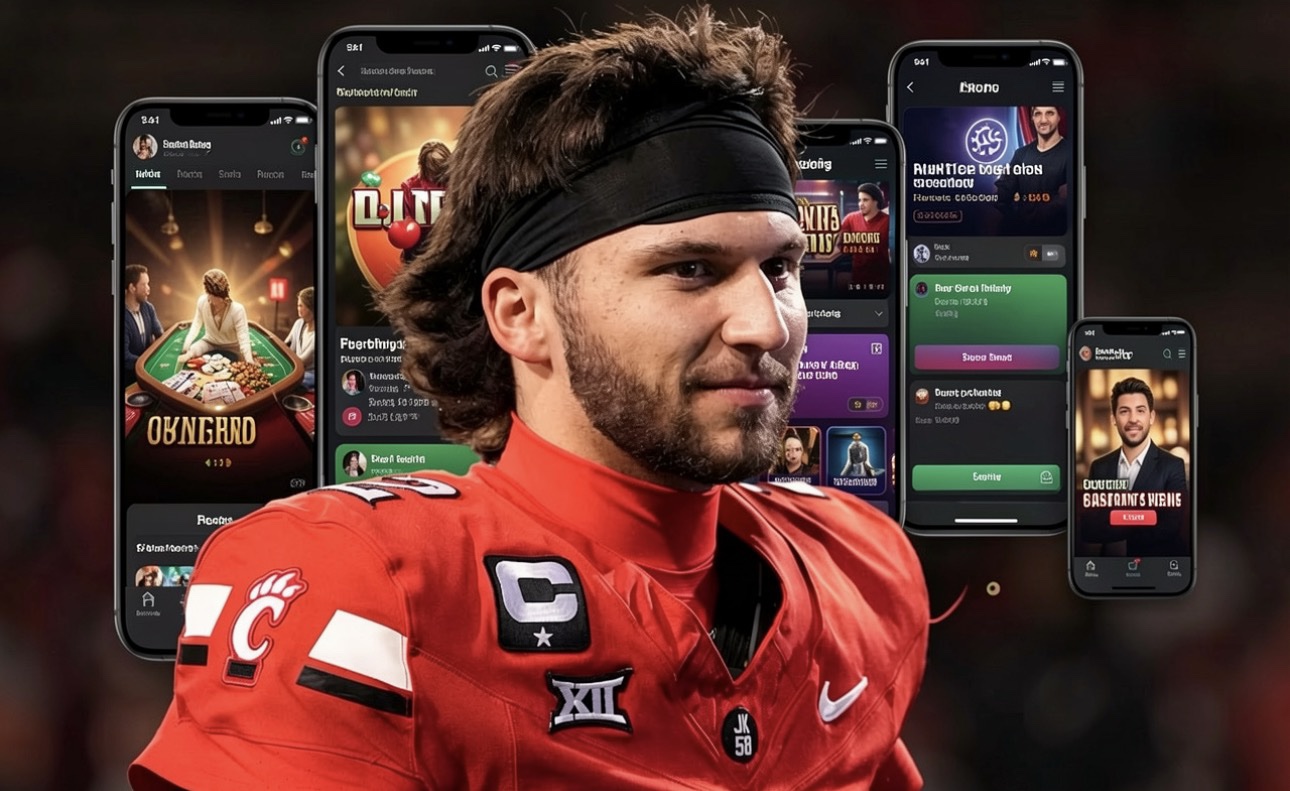
NCAA Integrity or Athlete Rights? Brendan Sorsby Ruling Ignites College Football Firestorm By G. Siffort | Staff Writer A Texas judge recently granted Sorsby a preliminary injunction, allowing him to play during the 2026 season despite the NCAA previously ruling him ineligible for violating gambling rules. According to court records, Sorsby admitted to placing thousands of sports wagers totaling roughly $90,000, including bets involving his own team while at Indiana. The ruling has sent shockwaves throughout college athletics. Supporters argue that Sorsby sought treatment for a gambling addiction and deserves a second chance. They point to the fact that the court found he could suffer irreparable harm if permanently barred from playing, potentially damaging his future earning potential and professional opportunities. (Reuters) Critics aren’t buying it. The NCAA has warned that allowing an athlete who wagered on his own sport to return to the field threatens the integrity of college athletics. Conference officials and athletic directors across the country have expressed concern that the decision could set a precedent where athletes simply sue their way around NCAA penalties. (Reuters) Some schools have reportedly discussed avoiding future competition with Texas Tech, while others fear the ruling signals that NCAA rules are becoming increasingly meaningless in the courtroom. (New York Post) At the heart of the debate is a simple but explosive question: Should addiction and rehabilitation earn an athlete a second chance, or should betting on your own sport remain a career-ending offense? One side sees redemption. The other sees a dangerous message. And as college sports continue to evolve under NIL deals, transfer portals, and courtroom battles, many fans are asking whether the NCAA still has the power to enforce its own rules. What do you think: Did the judge make the right call, or has college football crossed a line that can never be undone?
2 days ago
write a comment...