1/1

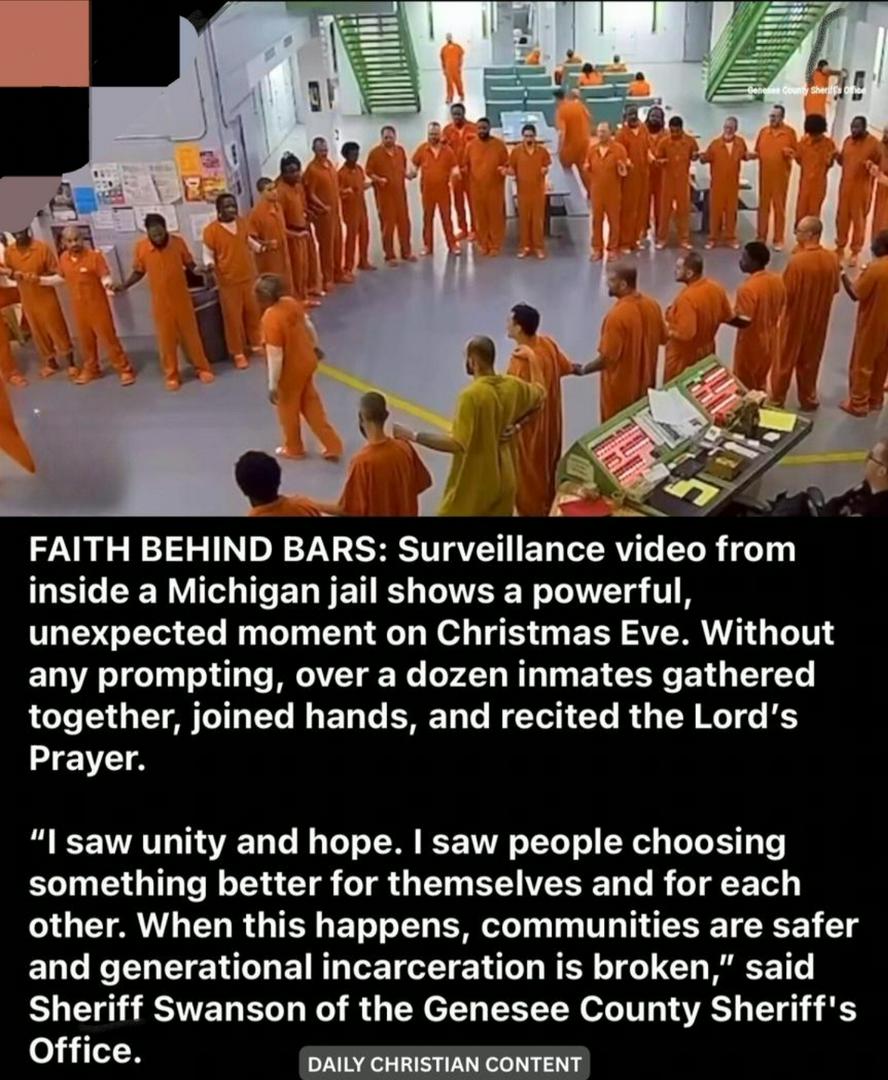
On Christmas Eve, a quiet moment of faith unfolded inside a Michigan jail. Without prompting, inmates ioined hands and prayed the Lord's Praver together. In a place marked by brokenness, hope and humility rose. It was a reminder that God's grace is not limited by walls or past mistakes-He meets hearts wherever they turn to Him #faith #Christian #prison
Michigan • 2026-04-19

Democrats are SOCIALIST
AI Overview
+9
Christianity and the Declaration of Independence – Christian Law
The Declaration of Independence is heavily influenced by Christian principles regarding human equality and inherent dignity, while also being rooted in Enlightenment philosophy and deistic thought. It refers to a "Creator" and "Nature's God," rather than specifically Christian doctrines, allowing it to appeal to a broad audience, including deists and Protestants.
The Gospel Coalition
The Gospel Coalition
+4
Key Points Regarding Christian Influence:
Theological Foundation: The Declaration is a "powerfully theological document" that views equality as rooted in being created by God.
Signer Beliefs: The overwhelming majority of the 56 signers were Christians, with 32 belonging to Anglican/Episcopalian churches and others from various Protestant denominations.
Influence of Thinkers: Thomas Jefferson and other founders were influenced by philosophers such as John Locke, whose views were grounded in biblical Christianity.
Theistic Rationalism: Many scholars argue the founders were "theistic rationalists" who blended rationalism with Christian beliefs, leading to phrasing that was purposeful yet not explicitly doctrinal (no mention of Jesus, the Trinity, etc.).
The Gospel Coalition
The Gospel Coalition
+3
Key Points Regarding Secular/Enlightenment Influence:
Deist Language: Terms like "Creator" and "Supreme Judge" were used instead of specifically Christian terminology, which fits within the framework
04-19
Rogersville, TN
Reply
Ted
Amen. God does no give up! Man does!
04-21
Dallas, GA
Reply
1

RejeanaMcbride
Amen
04-30
Norton Shores, MI
Reply
More comments ...
write a comment...