1/1
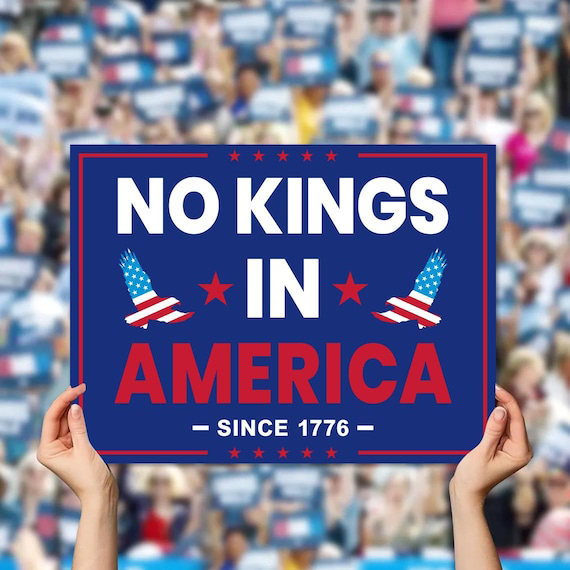
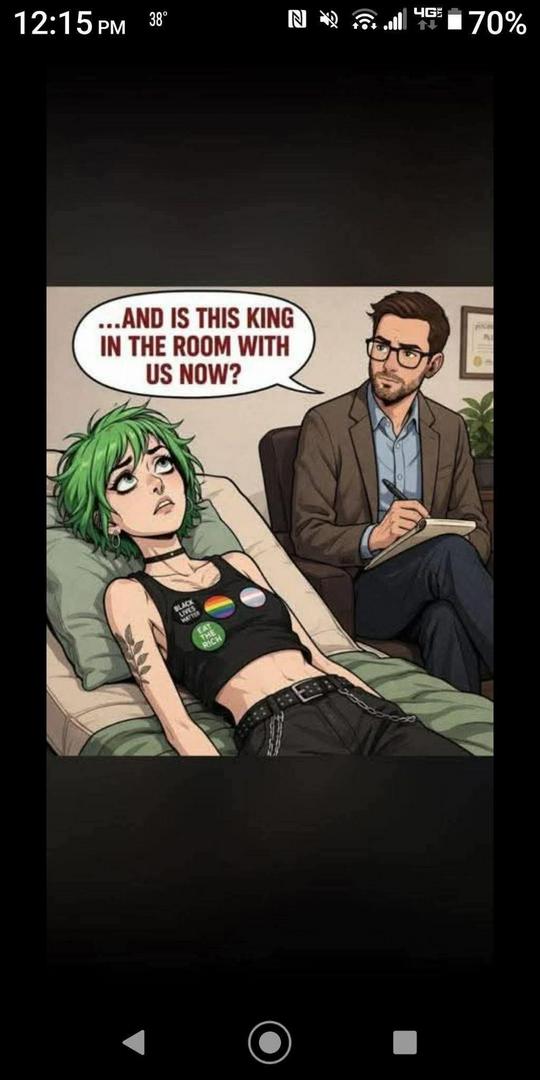
The Right to Dissent: Principles Over Protest The "No Kings" rallies that have recently drawn millions into the streets represent a fundamental misunderstanding of executive governance. To be clear: I find the premise of these protests flawed. Labeling standard—if assertive—policy as "monarchy" is a hyperbolic oversimplification that ignores the complexities of national security and border integrity. In a healthy republic, the strength of our system is measured not by our consensus, but by how we handle our conflicts. Having served in the military for twenty years, I didn't defend a specific political platform; I defended the Constitution that makes this very debate possible. I believe the administration is exercising its legal mandate to protect national interests. The "No Kings" narrative often overlooks the reality that governance requires difficult, decisive action that isn't always popular or "woke." Despite my opposition to their slogans, I will always defend their right to gather. Whether in a major city or a small town, the ability to criticize the Commander-in-Chief is exactly what separates us from the actual autocracies these protesters claim to fear. My support for the right to protest is absolute, provided it remains peaceful. The moment a demonstration shifts from exercising a right to violating the rights of others—through violence or property destruction—it ceases to be a democratic expression and becomes a criminal act. As long as the "No Kings" demonstrators remain within the law, they are participating in the democracy they claim is at risk. I don’t have to like what they are saying to believe they have every right to say it. That isn’t a "convenient" stance; it is a principled one. I’ll keep my views, they can keep their signs, and the ballot box—not the street corner—will be the final arbiter.
22 hours ago

Gary Mcgovern
I don't know why they think Donald Trump is up king.He's just seems like a regular President to me.If anyone is a king , it's me.
11h
Pawtucket, RI
Reply
5

meto
It because the CCP is funding it. Half the people doing this are too stupid to know it.
7h
Kingsport, TN
Reply(2)
3

Gene
you absolutely have a right to dissent.. and the constitutional form ,, is by electing new leaders ..
not disrupting the domestic tranquility.. which the government is in its rightful operation , to suppress.😆
20h
Enumclaw, WA
Reply
3

h mhuff
only king is pur lord Jesus and you should be afraid to say other wuse
6h
Kingsport, TN
Reply
3

Bob Miller
But “Royalty” is acceptable in the Bipartisan Congress, Got It!
20h
Chesterfield, VA
Reply(3)
1
h mhuff
no they dont .if was shoukd have dud ot with biden what a nasty vile hikter he was .and no one said a word cowards rotten scum democrats sat yhere 4 yrs while thos so called human destroyed this country will never forgive democrats for this vote all out
6h
Kingsport, TN
Reply
2

Jeffrey Tice
2h
Wylie, TX
Reply
2
unlike the many
what this no king rally was really about how easy it was to shift it off biden and showing the world that people will do anything for a few dollars after watching some of the videos when people were asked why they were out there they couldn't give a straight answer that made it clear they were paid to be out there overlooking the fact that it was biden who was the ruling over his subjects that started when he forced people into getting those shots over lies what it all boils down to is the demonrats know those people don't think for themselves or use common sense even after all the underhanding bullshit they did as the song goes smiling faces don't tell the truth with the evil that lurks within
6h
Cleveland, OH
Reply
1
More comments ...
write a comment...