1/1

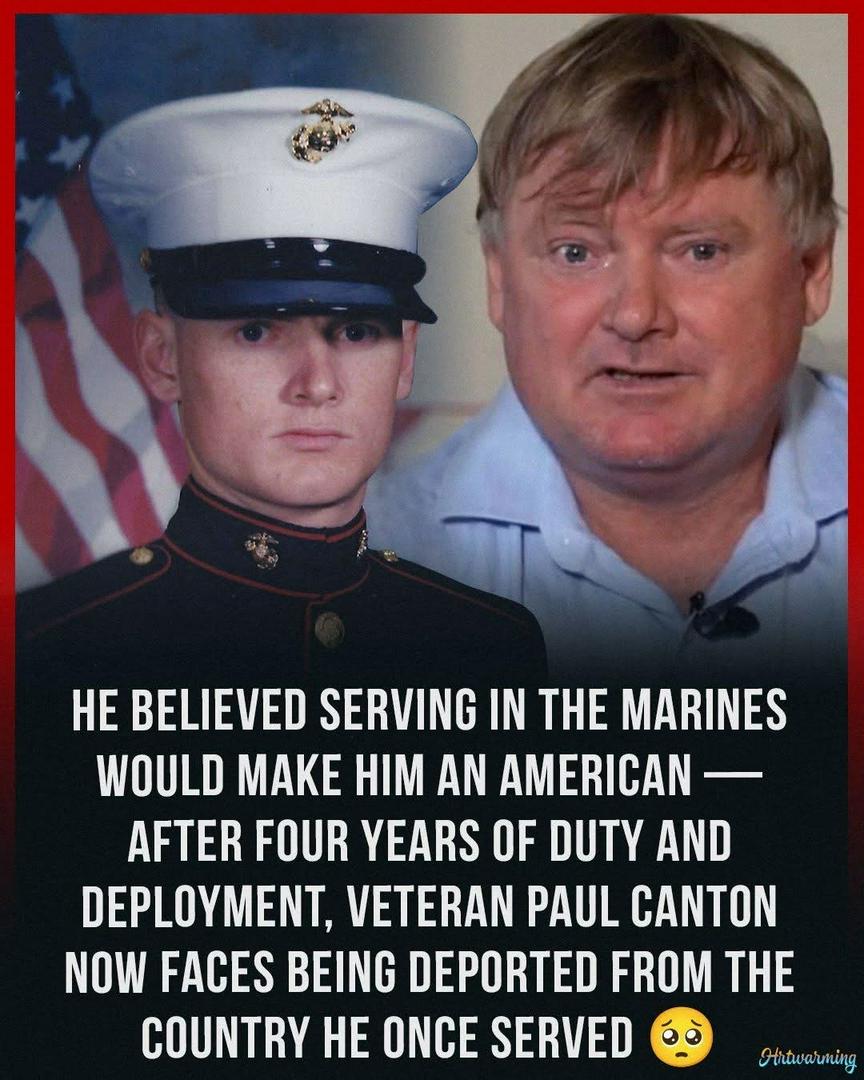
For nearly ten years, Marine Corps veteran Paul Canton has been fighting for something he believed he had already earned — the right to be an American citizen. Canton served four years in the United States Marine Corps after enlisting in 1991. During his time in uniform, he was deployed and proudly carried out his duties. With an honorable discharge and no criminal history, he believed his service would eventually lead to citizenship. But the path he expected never came. Years later, when Canton applied for a new driver’s license, he discovered something that changed everything — he had never actually become a U.S. citizen. His journey to America began when he arrived as an exchange student. After staying beyond his visa, he later joined the Marines. Canton says his recruiter told him that serving honorably would make him a citizen once his service ended. After leaving the military in 1998, Canton built a life in the country he loved. He married, raised children, and created a home filled with memories of his service — Marine Corps items, awards, and certificates proudly displayed around his house. But when he applied for citizenship, immigration officials denied him. Last month, a federal judge rejected his appeal, ruling that although Canton enlisted during a period recognized by the government, he technically entered active duty after that period had ended, making him ineligible for citizenship. Lawmakers from both political parties have expressed concern about his situation. Several have tried to help over the years, hoping a special bill or other solution might allow him to stay. None of those efforts succeeded. Canton also faces another barrier. Because he voted in elections believing he was already a citizen, the law now permanently blocks him from receiving immigration benefits — even through his U.S. citizen wife or adult children. His attorney says the only remaining options would be a special act of Congress granting citizenship or intervention
3 hours ago
write a comment...