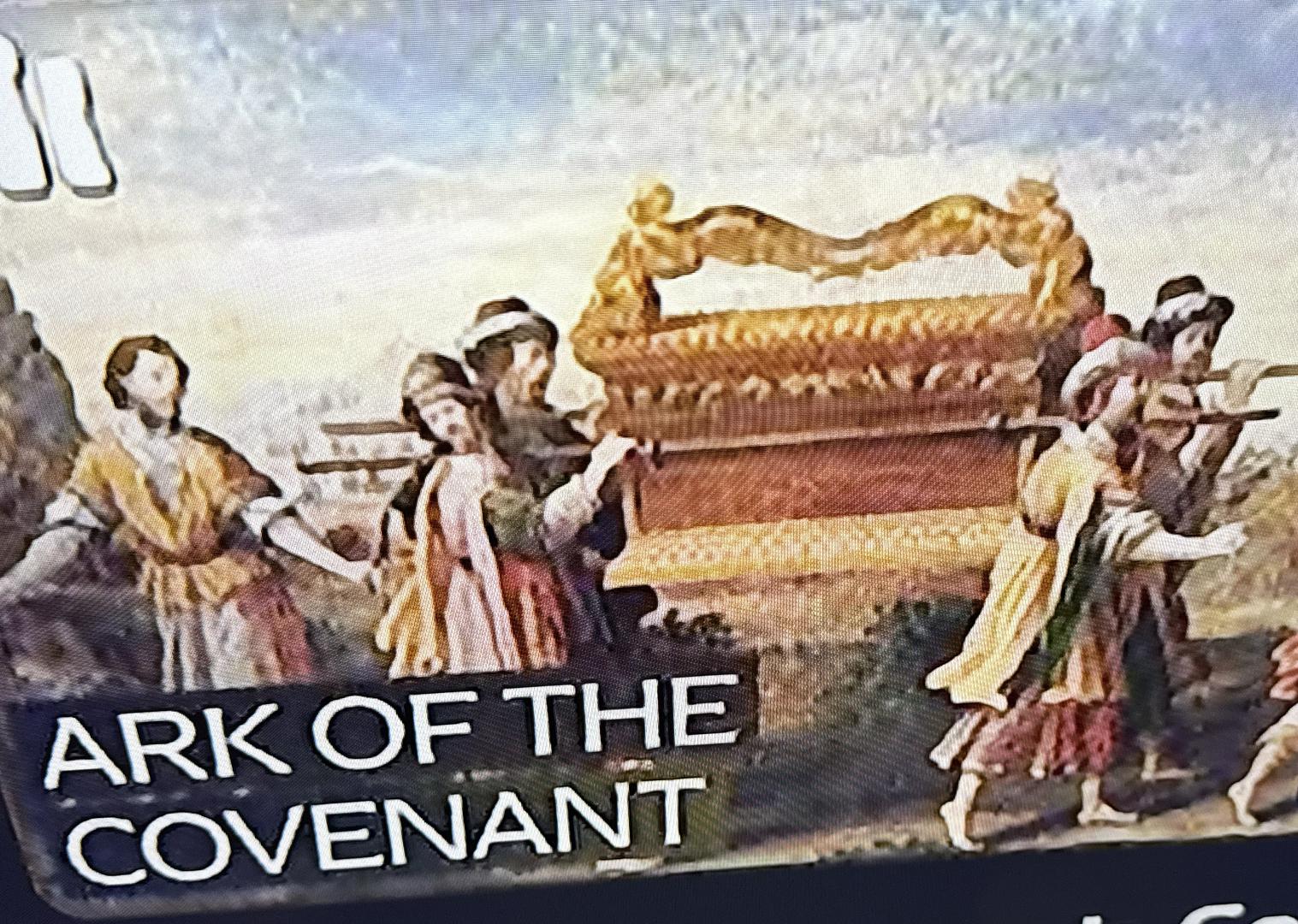
1/2

CATHOLIC FAITH: Statues, explained!!!! Just like, Ark of the Covent! Had statues on it!!! ✔️ Statues, are utilized as aids to devotion, acting as visual reminders of saints, Jesus, or Mary, similar to keeping photos of loved ones. They serve as teaching tools and focal points for prayer, representing holy figures rather than being worshipped as gods themselves. **** This practice does not violate scripture because the Bible condemns idolatry (worshipping statues as gods) but allows for the creation of images for religious, educational, or commemorative purposes, such as the cherubim on the Ark of the Covenant. **** Why Statues Do Not Go Against Scripture • Veneration vs. Adoration: The Catechism of the Catholic Church clarifies that the honor paid to images is "respectful veneration," not the adoration reserved for God alone. ✔️ • Biblical Examples: God commanded the creation of images in the Old Testament, such as the two cherubim for the Ark of the Covenant (Exodus 25:18-20) and the bronze serpent (Numbers 21:8-9). • Distinction from Idolatry: The prohibition in Exodus 20:4-5 is against making images to worship them as gods, not a ban on all religious art. When the bronze serpent began to be worshipped as a god, it was destroyed (2 Kings 18:4), highlighting that the issue is the misuse of the object. • Representation, Not Presence: Catholics do not believe the statue is the saint or possesses divine power, but that it serves as a reminder to focus on the person it represents. Usage Examples in Catholic Faith • Visual Reminders: Statues of saints help faithful recall their lives, virtues, and examples. • Focus for Prayer: Kneeling before a statue is not praying to the statue, but using it to help focus prayer toward the person it represents, often for intercession. • Educational/Catechetical: Historically, statues were used to instruct the illiterate in the faith, much like children's Bible pictures. Love a Sister in Dear Lord Jesus! 🕊️
1 days ago
write a comment...