1/1

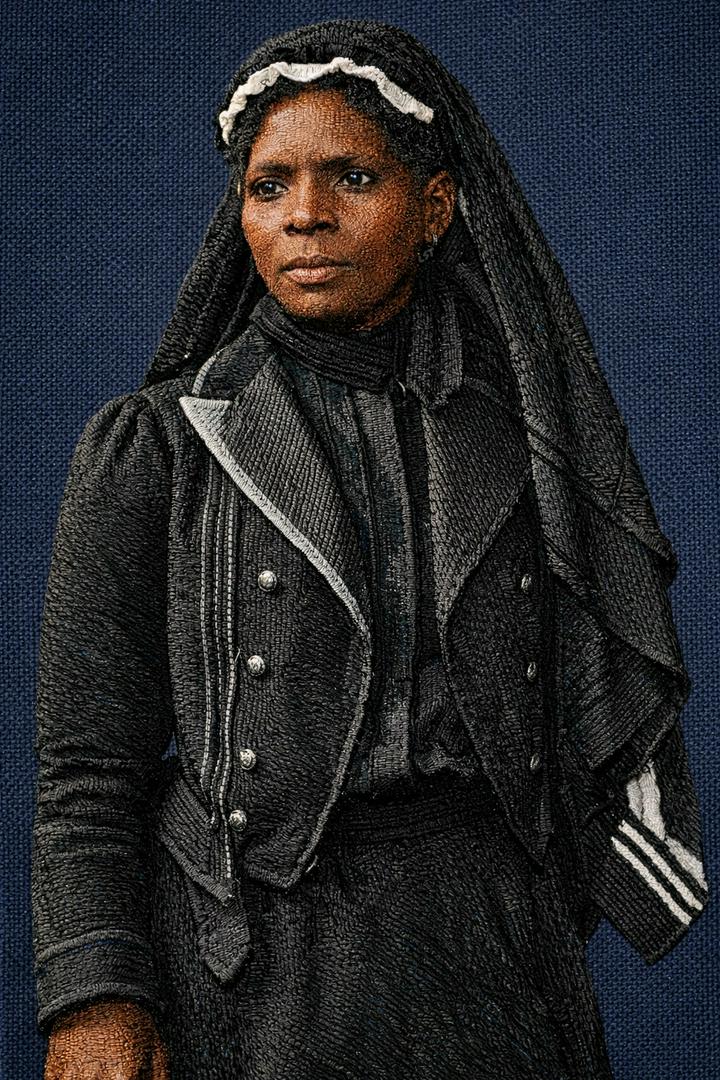
Some names get monuments. Others get buried in the footnotes. Susie King Taylor deserves better. Born enslaved in coastal Georgia in 1848, she learned to read and write in secret, a bold act in a world designed to keep her silent. When the Civil War cracked open a narrow door to freedom, she walked through it as a teenager, making her way to Union lines on the Sea Islands. Freedom did not mean rest. She began teaching immediately, helping newly freed children and adults claim what slavery tried hardest to steal…education, voice, and self possession. She soon worked alongside the 1st South Carolina Volunteers, also known as the 1st South Carolina Colored Infantry, one of the earliest Black regiments fighting for the Union. Later, that unit was reorganized and redesignated as the 33rd United States Colored Troops. On official records she was listed as a laundress. In lived reality she was a teacher, a caregiver, and a nurse to soldiers facing disease, wounds, hunger, and exhaustion. She did the kind of work that keeps people alive, even when the system refused to fully recognize it, or compensate it with the respect it deserved. After the war, she kept serving her community through teaching and organizing, including support for veterans through the Women’s Relief Corps in Boston. Even then, honor came slow, and benefits did not match the sacrifice. But she left proof. In 1902, she published her memoir Reminiscences of My Life in Camp, a rare first person account from a Black woman who lived the war beside Black troops and recorded what she saw, what she did, and what they endured. Her words are not rumor, not legend, not somebody else telling the story for her. They are testimony. Susie King Taylor died in Boston on October 6, 1912, and was buried at Mount Hope Cemetery. Her story is still breathing. If we say we care about history, we have to care about the people who kept it, even when nobody was clapping. #SusieKingTaylor #OurHistory #HiddenFigures
2026-02-17

leon forte
A True Hero 🙏🏾🫶🏾
02-23
Port Saint Lucie, FL
Reply
3

Gabe Mack
Hero🙏
02-17
Houston, TX
Reply
3

Tricia
🙏🏼
02-18
Yuma, AZ
Reply
3

Connie David May May
Yes , she was a hero
02-18
Lexington, KY
Reply
2

Dianne Covell
I believe people are here for a reason. This woman didn’t need a grand entrance. She invigorated. I myself, am very proud of her
02-23
Chesterfield, NJ
Reply
1

Dorothy Banks
Incredible Lady! Definitely 💯 Defender of her People 🙏🏾🙏🏾🙏🏾🙏🏾❤️❤️❤️❤️
02-20
Saint Clair Shores, MI
Reply
1

Shirlee
My ancestors fought in the Confederacy. But I am able to respect and admire her bravery. i would love to read her writings.
03-15
Pulaski, VA
Reply
More comments ...
write a comment...