1/1

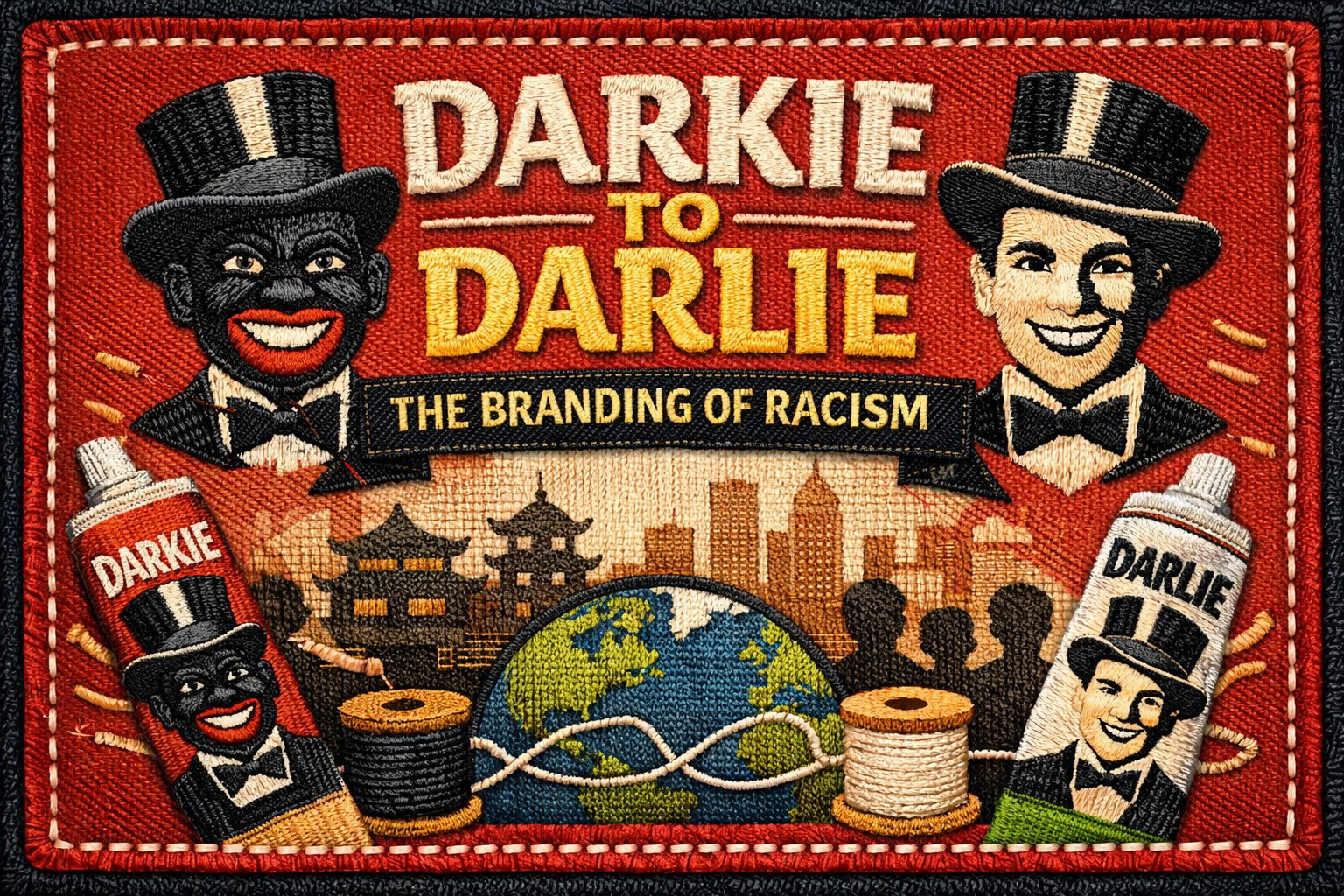
In the early 20th century, a toothpaste brand called Darkie was introduced in Shanghai and quickly spread across parts of Asia. Its name and logo were not subtle. The packaging featured a caricature rooted in Western minstrel imagery, linking exaggerated Black features to the promise of whiter teeth. The message was clear, and it leaned heavily on racial stereotypes that had already been normalized through global advertising and colonial influence. What makes this story linger is not just that the product existed, but how long it remained accepted. Darkie toothpaste was sold for decades without meaningful challenge. It became an everyday item, woven into routine, rarely questioned. Racism does not always announce itself loudly. Sometimes it survives by becoming familiar. By the 1980s, international pressure finally forced a response. Colgate Palmolive, which had acquired a major stake in the brand, moved to rename it. Darkie became Darlie. One letter changed. The product stayed. The branding was softened but not erased. In English-speaking markets, the company offered explanations that framed the new name as unrelated to race. Yet in Chinese, the name continued to translate to Black Person Toothpaste for years afterward. The imagery, though slightly altered, remained recognizable. This was not a reckoning. It was a strategic adjustment. The rename reduced backlash without confronting the underlying message. It allowed the brand to continue uninterrupted, protected by distance and plausible deniability. The story matters because it challenges the idea that racial caricature was limited by geography or ignorance. It shows how harmful imagery was exported, normalized, and maintained through global consumer culture. Renaming did not erase the past. It simply made it quieter. Some histories are not buried. They are still on the shelf, just dressed differently. #HistoryMatters #GlobalHistory #BrandingHistory #CulturalMemory #UncomfortableHistory #AdvertisingHistory
2026-01-29

Ming Jones
I WAS IN TAIWAN IN 1976 IT WAS ON COMMERCIALS AND IN THE STORES (OLAN KEKO) MR ROGER 👍👍👍
01-29
Stafford, TX
Reply
3

RPO in NJ
Reminds me of the Gold Dust Twins, Goldie and Dusty!
01-31
Egg Harbor Township, NJ
Reply
1

Chris Latella
So what, I'll guarantee IT DIDNT WORK EITHER!!! It was a waste of a product. I heard the company is asking for reparations. Weird
01-31
Columbus, OH
Reply

Bob Raschke
i saw Darlie Tooth Paste in Indonesia in the early '90s. i was very surprised.
02-01
Healdsburg, CA
Reply
More comments ...
write a comment...