1/1
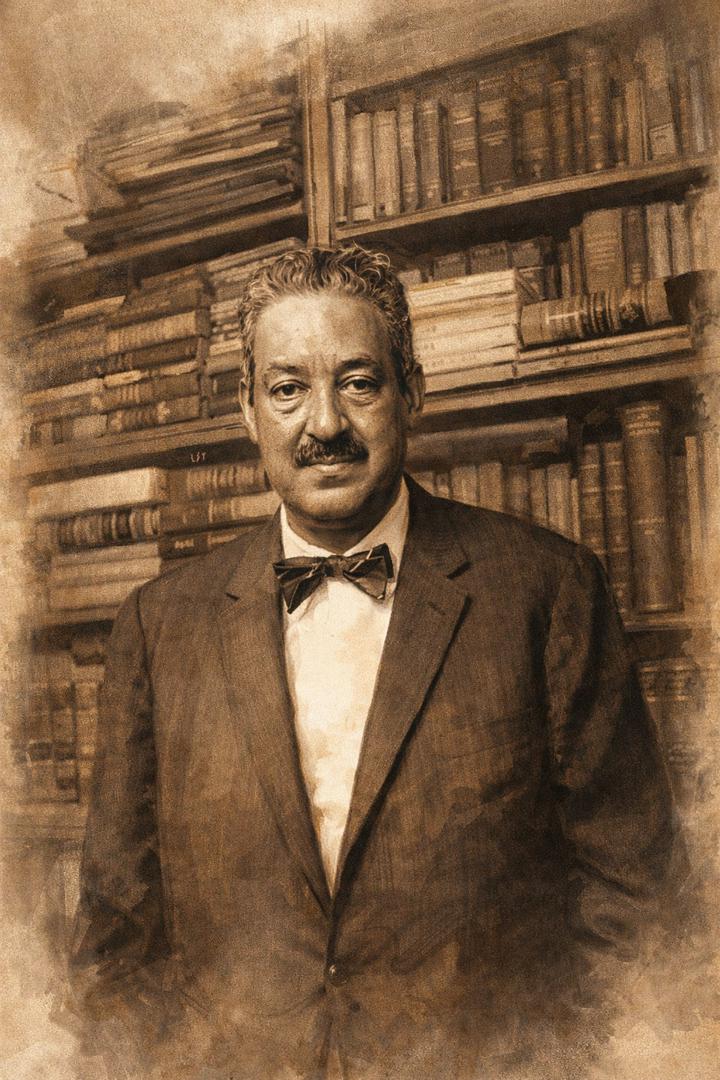
Some names don’t fade because the ground they broke still hasn’t fully healed. Thurgood Marshall was one of those men. Long before he ever sat on the Supreme Court, he stood in courtrooms where the law was never meant to protect him, arguing cases that reshaped the country whether it was ready or not. As lead attorney for the NAACP Legal Defense Fund, Marshall won 29 of the 32 cases he argued before the Supreme Court. His most famous victory, Brown v. Board of Education, dismantled the legal foundation of school segregation. Not with noise. Not with spectacle. With precision. With receipts. With an understanding of the Constitution sharper than those who claimed to own it. In 1967, Thurgood Marshall became the first Black Justice of the United States Supreme Court. He didn’t arrive to blend in. He arrived to dissent, to question, to remind the Court who the law had excluded and who it continued to fail. His opinions often stood alone at the time…but history keeps proving he was early, not wrong. Marshall believed the Constitution was unfinished. He rejected the fantasy that America was born just and instead told the truth…it was born flawed, and justice requires work, not worship of the past. That honesty made people uncomfortable. It still does. He died on January 24, 1993, but his voice never left the room. Every argument for equal protection, every challenge to discriminatory systems, every reminder that rights are defended, not gifted…that’s his echo. Gone, yes. Forgotten…never. #GoneButNotForgotten #ThurgoodMarshall #OnThisDay #January24 #SupremeCourtHistory #LegalHistory #AmericanHistory #CivilRightsLegacy #JusticeMatters
2026-01-25
write a comment...