1/1

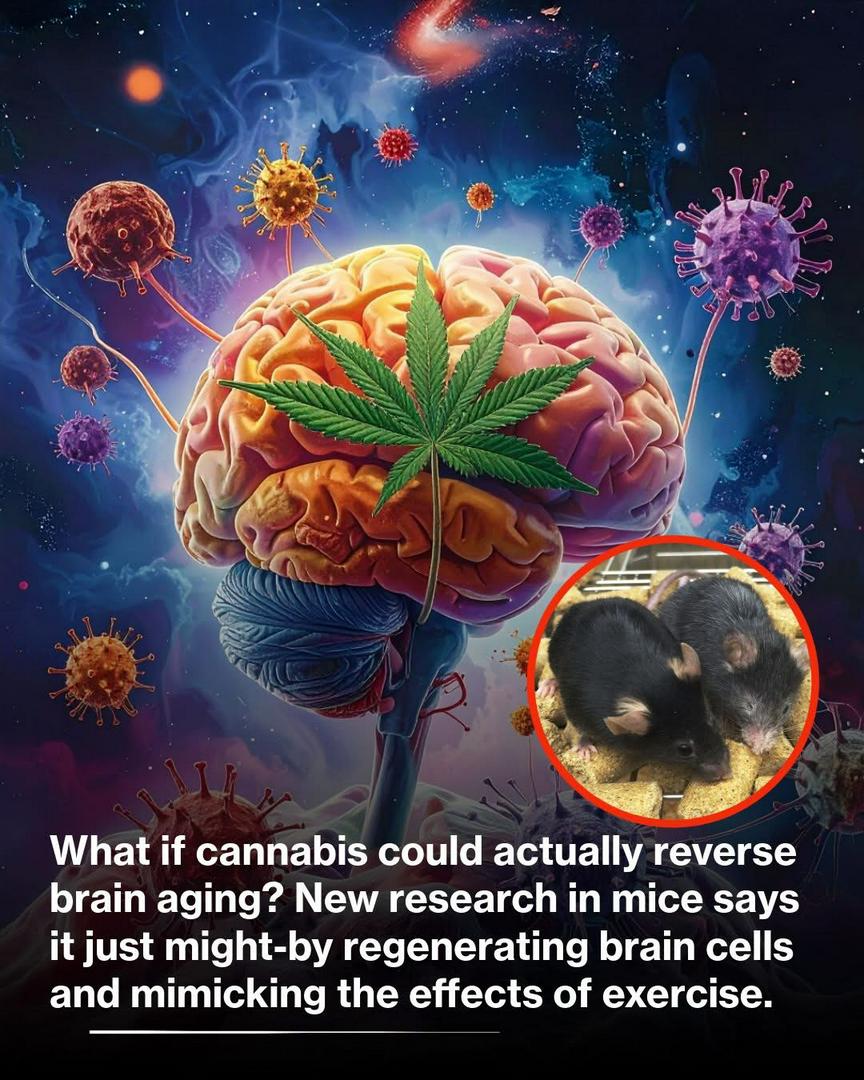
Recent research has demonstrated that low-dose, long-term administration of tetrahydrocannabinol (THC), the primary psychoactive compound in cannabis, can reverse key signs of brain aging in mice and exert broader anti-aging effects. In studies conducted by researchers from the University of Bonn and collaborators, including earlier work from 2017 and a follow-up published in 2024, old mice treated with small amounts of THC over extended periods showed restored cognitive abilities comparable to those of much younger animals. These improvements included enhanced learning, memory performance, and increased synaptic density—the number and strength of connections between neurons essential for brain function. The mechanism involves a tissue-specific, bidirectional influence on the mTOR signaling pathway, a key regulator of cellular metabolism and growth. Initially, THC boosts mTOR activity in the brain, elevating energy production, amino acid levels, and the synthesis of synaptic proteins, which promotes the formation of new synapses and supports cognitive enhancement. Over time, this effect transitions to a reduction in mTOR activity peripherally, slowing metabolic processes associated with aging and contributing to an overall anti-aging outcome. The treatment not only counteracted age-related cognitive decline but also stabilized dendritic spines and increased spine density in brain regions like the somatosensory cortex, helping preserve neural architecture typically lost with advancing age. While these findings are promising for understanding brain health in aging, they stem from animal models using controlled low doses that avoid psychotropic effects seen in higher recreational use. Human applications remain speculative, as factors like dosage, delivery method, and individual differences could alter outcomes significantly. Nonetheless, the results highlight potential Source: Science Acumen
3 days ago

Joseph Seery
Whatever! Fire up that joint and put on some Zepplin..😆
3d
Fallbrook, CA
Reply(8)
8

Lee Patrakov
Studies have shown CBD can breakdown amyloid plaque buildup in the brain. THC and CBD have numerous medicinal benefits.
3d
South Lake Tahoe, CA
Reply(1)
9

Rancher Larry
Microdosing psilocybin also shows promise.
2d
Myrtle Creek, OR
Reply(3)
3

Smile Smiley
peace and love 🌸
3d
Newark, NJ
Reply
4

Crucifingers
Should I update my resume to state 43 years of cannabis use? haha
I don't feel 60. And I can hold my own online.
1d
Flint, MI
Reply
2

Fran Vanderweyst
I'm not getting stoned I am exercising my brain 🤔🤔🤔🥰🥰🥰😆😆😆
12h
Bloomington, MN
Reply
1

Mymommasuxbbc
😤😏🤤
3d
Reply
1

TimeTrvlr#1
Didn't believe the hype. Pot will always rot your brain.
20h
Arlington Heights, IL
Reply(1)

Greg
Marijuana is a gift from God.
19h
Reply
More comments ...
write a comment...