1/1

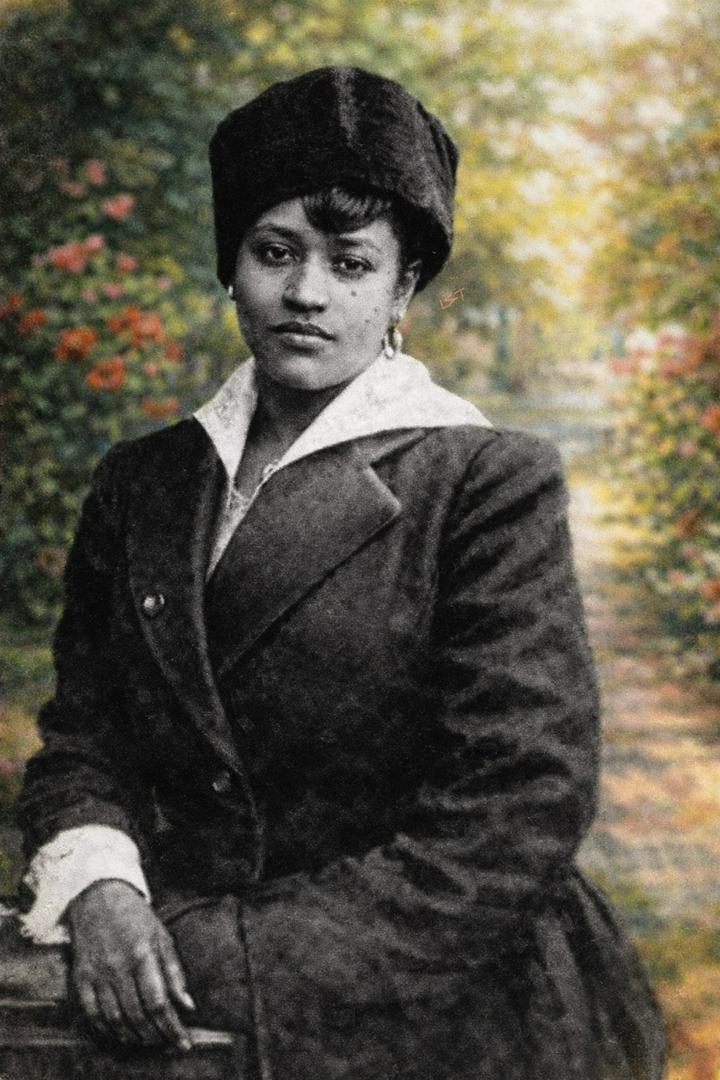
Lucille Hegamin was one of the earliest Black women to leave a lasting mark on recorded American music, though her name is rarely mentioned today. Born on November 29, 1894, in Macon, Georgia, as Lucille Nelson, she grew up during a time when opportunities for Black women in entertainment were sharply limited. Her musical foundation was shaped through church choirs and stage performance long before recording studios opened their doors to Black artists. Known professionally as Lucille Hegamin, she earned the nickname “The Georgia Peach,” a reference to both her Southern roots and her polished stage presence. In 1920, during the earliest wave of commercial blues recording, she recorded “Arkansas Blues.” This placed her among the first generation of women to record blues at a time when the genre itself was still taking shape. Hegamin was also known as “The Cameo Girl” due to her extensive work with the Cameo record label. Her recordings blended blues, vaudeville, and popular song traditions, reflecting the musical crossroads of the era. These records were distributed nationally and helped introduce Black female voices to early commercial recording audiences. Despite her success, Hegamin faced the same structural barriers as many early Black performers. Financial control was limited, royalties were minimal, and recognition often faded as recording trends shifted. When the early blues recording boom slowed, she stepped away from the spotlight. Lucille Hegamin died in 1970, but her recordings remain a foundational part of American music history. #ForTheRecord #MusicHistory #EarlyBlues #WomenInMusic #AmericanCulture #RecordedHistory #HiddenFigures
Macon, Georgia • 2026-01-06

Ms.SoRight
Queen 💕💕

01-08
Macon, GA
Reply
3

SedyRedy
🙏👼🌹🌞💯👊🫡
01-07
Milwaukee, WI
Reply
2

Julianna Dorsey
Queen
05-03
Rockmart, GA
Reply
More comments ...
write a comment...