1/1
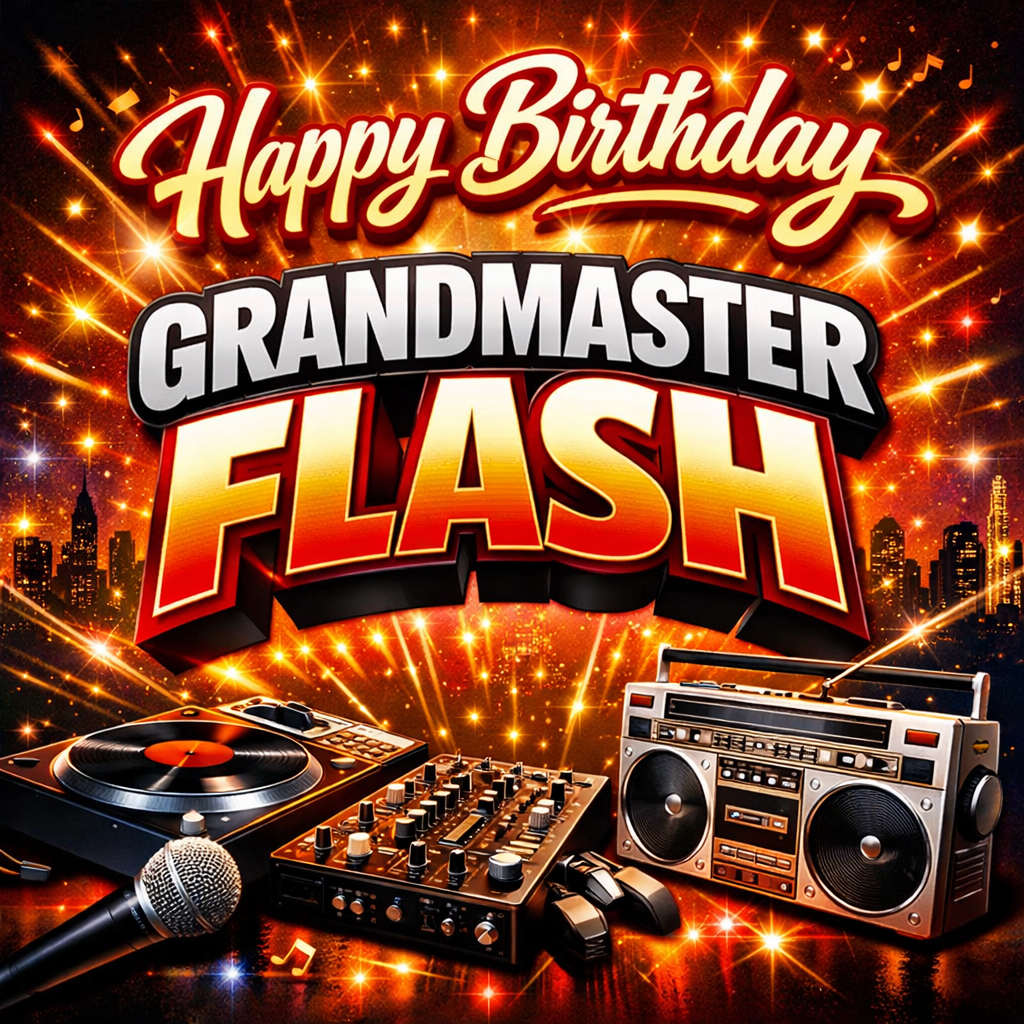
January 1, 1958 marks the birth of Grandmaster Flash, one of the early figures who helped shape how hip hop works at a technical level. Hip hop did not come together by accident. It developed because DJs in the Bronx were experimenting with sound, timing, and equipment to keep crowds moving and engaged. Flash was part of that generation that treated DJing as a craft rather than simple record playback. Working with two turntables and a mixer, he helped refine techniques that allowed DJs to extend breakbeats, control tempo, and maintain energy. By isolating and repeating the most rhythmic sections of records, he created longer spaces for MCs to perform and for dancers to respond. These methods required precision, quick hands, and careful listening. The turntable became an instrument because DJs needed it to do more than play songs straight through. Flash’s approach emphasized control and structure. Timing mattered. Cueing mattered. Transitions mattered. Those technical choices helped establish the foundation for later developments in DJing and MC performance. As hip hop grew, those early methods influenced how crews formed, how battles sounded, and how live performances were organized. The relationship between the DJ and the MC depended on that control of sound. Hip hop culture is often discussed in terms of expression and style, but it is also built on technique and problem solving. Early DJs were working without formal training or industry support, learning through trial, error, and observation. Flash’s contributions sit within that broader context of innovation, where practical solutions shaped the direction of the culture. Remembering his birthday is a reminder that hip hop history is made up of specific people, moments, and decisions. The sound, structure, and flow of the culture today trace back to those early rooms where DJs figured out how to make limited tools do more than they were designed to do. #January1 #OnThisDay #HipHopHistory #GrandmasterFlash
2026-01-01

Nate Copes
Happy birthday Flash!!!! A true Legend!!!
01-03
Auburn, NY
Reply
SedyRedy
🫡💯😉🌞✊🌹
01-03
Milwaukee, WI
Reply
More comments ...
write a comment...