1/1
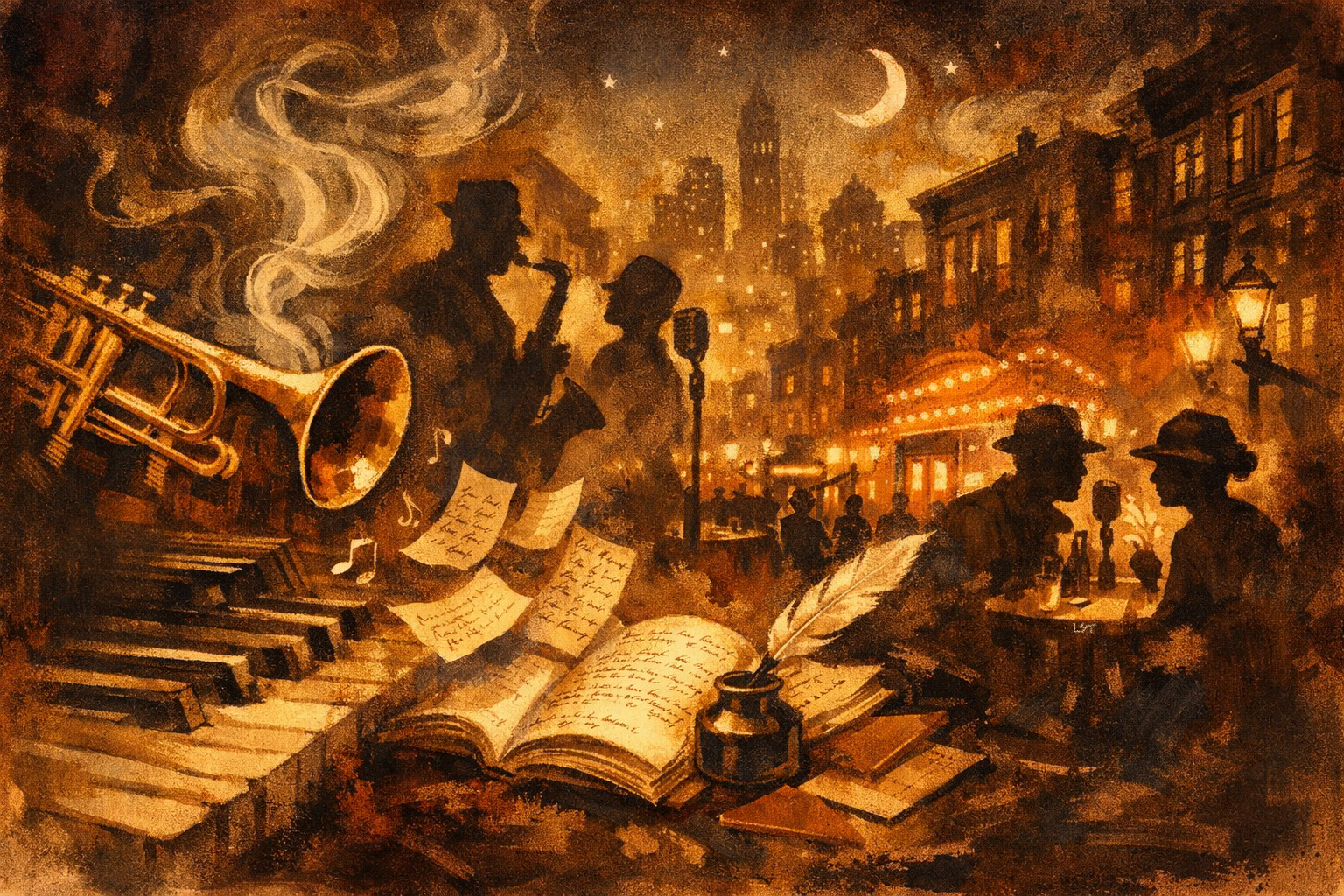
December 1924 sits right in the thick of a cultural takeover that did not ask for permission. Harlem was alive. Not just busy, but alive with ideas, music, arguments, and ambition. The Harlem Renaissance was not a single moment you could circle on a calendar. It was a season of collision where Black writers, artists, musicians, and thinkers decided they would define themselves instead of being defined. December, often treated as a quiet closing month, was anything but quiet in Harlem. It was a continuation of momentum. During this period, figures like Langston Hughes, Zora Neale Hurston, and Duke Ellington were shaping a new cultural language. Literature challenged stereotypes. Music moved beyond entertainment into statement. Art reflected pride, frustration, joy, and complexity without apology. These creators were not trying to be respectable by outside standards. They were trying to be honest. December 1924 represents endurance. The Renaissance was not a party that burned out quickly. It was work. Magazines were being published. Essays were being debated. Poetry was being read aloud in crowded rooms thick with cigarette smoke and opinion. Political thought was sharpening alongside creative expression. Black identity was being examined, questioned, and affirmed in real time. This matters because the influence did not stay in Harlem. It traveled. It shaped how Black life was written about, performed, and understood across the country and eventually the world. December reminds us that movements do not pause for holidays. They continue quietly, loudly, and persistently. The Harlem Renaissance was not a moment. It was a turning of the page that never fully closed. #HarlemRenaissance #BlackHistory #CulturalHistory #AmericanHistory #DecemberHistory
2025-12-24
write a comment...