1/1

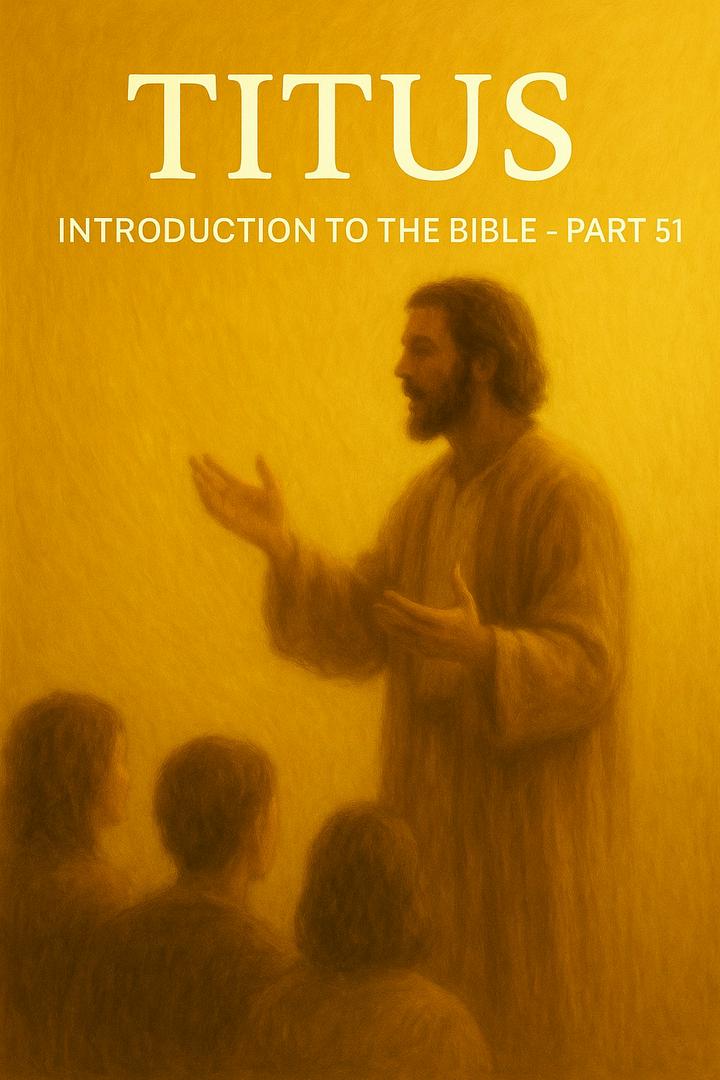
Titus: A Brief Introduction to the Bible - Part 51 Titus is one of Paul’s sharpest, most decisive pastoral letters. Written to a trusted coworker assigned to establish order in the churches on the island of Crete, this epistle delivers clear, uncompromising instructions about leadership, doctrine, godly living, and spiritual credibility in a culture known for corruption. If 1–2 Timothy focus on pastoral endurance and guarding doctrine, Titus focuses on producing a church that displays the transforming power of the gospel through its conduct. This letter is short — but it is not soft. Paul calls for integrity, discipline, and visible holiness in a world watching closely. ⸻ Audience & Setting Titus was left in Crete, an island with a fierce reputation. Ancient writers described Cretans as untrustworthy, immoral, greedy, and difficult to lead. The churches there were young and vulnerable to false teachers, especially those mixing Jewish legalism with empty talk and manipulation. Paul writes Titus with urgency so he can: • Appoint qualified elders • Silence corrupt teachers • Strengthen households • Model good works • And ensure that believers live in a way that matches sound doctrine Titus is not just overseeing a congregation — he is establishing credibility for the gospel in a hostile environment. ⸻ Major Themes 1. The Importance of Godly Leadership Paul stresses strict qualifications for elders. Leadership is not based on charisma or ability — but on character, self-control, faithfulness, and doctrinal solidity. 2. Sound Doctrine Produces Sound Living Truth is not just intellectual; it must transform behavior. Paul repeatedly links what we believe with how we live. 3. Confronting False Teachers Paul commands Titus to silence deceivers who twist Scripture for financial gain or influence. These individuals undermine households, distort truth, and must be corrected firmly. ✝️ CONTINUED IN COMMENTS ⬇️⬇️⬇️ #Titus #Bible #God #Jesus #Love
2025-11-26

Adrian Griffin
wasn't Titus the Roman general that burned Jerusalem to the ground?
11-28
Glendale, OR
Reply(5)
1

Pam Threatt
Amen 🙏🙏🙏🙏🙏🙏🙏🙏🙏🙏🌸🌸💕💕💕💕💕🌸🌸🙏🙏🌸🌸💕💕💕🌸🌸🙏🙏🌸💕💕
11-26
Clinton, SC
Reply(1)
1
More comments ...
write a comment...