Ok , we need to have a serious conversation, about not being so serious. As of 2026 global average life expectancy is approximately 73.8 years. If you figure , using 18 as the age of responsibility, that means for 55 years you actually get to live life on your own terms, 55 years of stress , worry, anxiety, dwelling on the past. There’s a reason to be stressed, right?
Well let’s talk about it,with the economy, government, job,bills,sickness,past trauma there’s a lot to be stressed about.
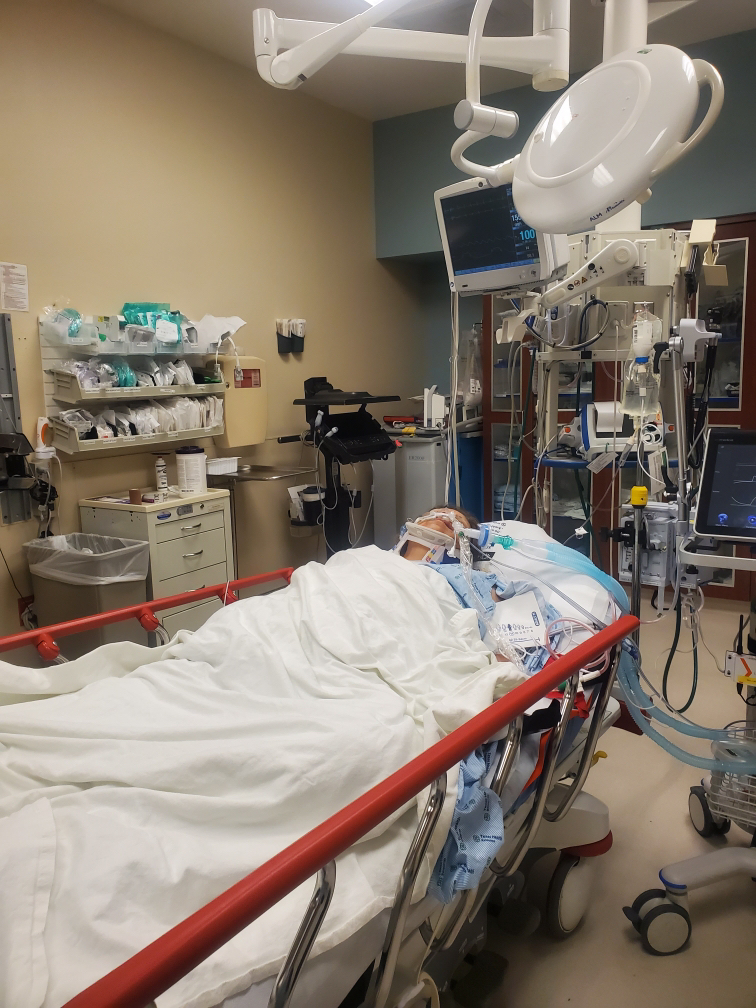
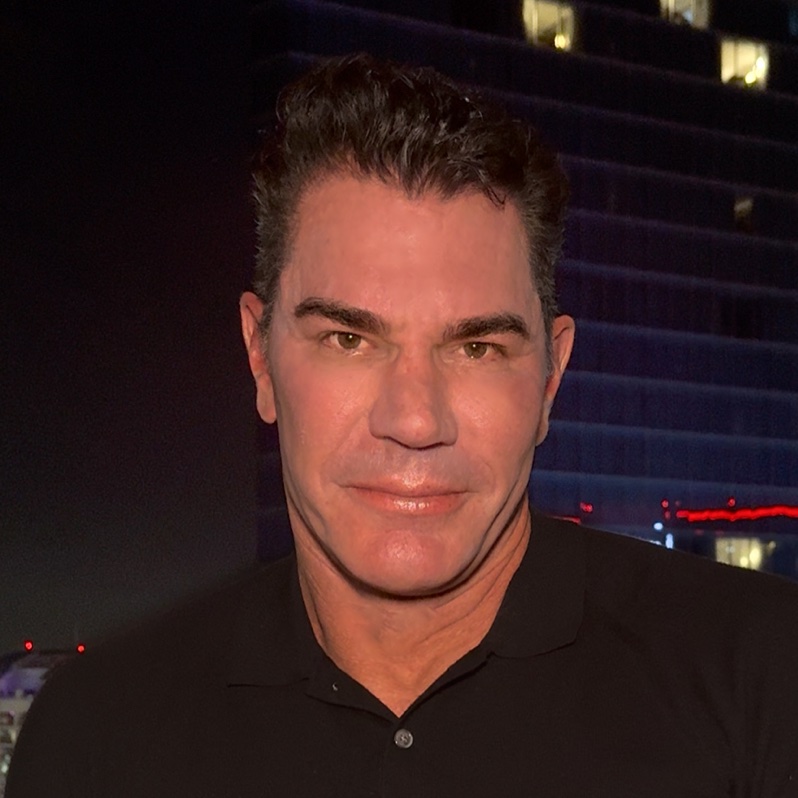
Here is the kicker, most things we are stressed about either has nothing to do with us, or you can’t do anything about. Sit down and think it through, we all have bills, now you can cut cost , but still have bills, nothing you can do about that,gas prices are high,groceries high, government are idiots, boss is an ass, my mom made me take out the trash when I was a kid trauma etc etc. Here are the keys,do what you can do, bills will still be there tomorrow, the telephone call to creditors works wonders, government regulations are still going to not work in your favor,vote, that’s all you can do, boss is always going to be an ass, find one that isn’t , no one’s stuck in a job for life, trust me company will lay you off tomorrow without much care. Now the fun one, past trauma, you can’t turn back time, leave it where it belongs, there’s nothing you can do about that, you can’t control what others do, say, or act like, you can’t let people have that kind of power over you. Besides , your moving forward in life, not in reverse, let that shit off and sell the bags. I understand worry, and anxiety, I’m 56, worked my entire life, to be just above poverty, recently I was diagnosed with advanced pulmonary fibrosis, severe narcolepsy, and had a work accident that left the use of only my left hand, I’m on disability and make 1800 a month, and the state believes I make to much money for food benefits. Stress huh, guess what,nothing I can do about it,moving forward with what I’ve got