Category Page health

Nikki Sanders

Bruxism is the involuntary grinding, clenching, or gnashing of teeth, occurring during the day (awake bruxism) or night (sleep bruxism), often linked to stress, anxiety, certain medications, and sleep disorders like sleep apnea. Symptoms include jaw pain, headaches, worn teeth, sensitive teeth, and sore facial muscles, potentially leading to fractured teeth or TMJ disorders. Treatment involves custom mouthguards, stress management, and addressing underlying sleep issues, though many people outgrow it, say Mayo Clinic and this YouTube video. Causes & Risk Factors Psychological: Stress, anxiety, anger, excitement, competitive personality. Sleep-Related: Sleep apnea, snoring, sleep disorders. Lifestyle: Caffeine, alcohol, smoking, recreational drugs. Medical: Certain medications (like some antidepressants), a misaligned bite (malocclusion). Genetics: Runs in families. Common Symptoms Teeth grinding or clenching sounds (can disturb partners). Flattened, chipped, fractured, or loose teeth. Worn tooth enamel, leading to sensitivity. Dull headaches (especially in the temples) or earaches. Sore, tight, or tired jaw muscles, sometimes leading to a locked jaw. Pain in the face, neck, or shoulders. Indentations on the tongue or damage to the inside of the cheek. Treatment & Management Dental Protection: Custom-fit mouthguards or splints to prevent tooth damage. Stress Reduction: Counseling, meditation, yoga, and exercise. Behavioral Changes: Avoiding caffeine, alcohol, and stimulants. Addressing Sleep Issues: Treating sleep apnea or other sleep disorders. Dental Repair: Fixing damaged teeth or fillings. When to See a Professional If you experience jaw pain, headaches, or notice tooth damage. If you suspect you have sleep apnea. Your dentist can diagnose bruxism and recommend the best treatment plan.

justme

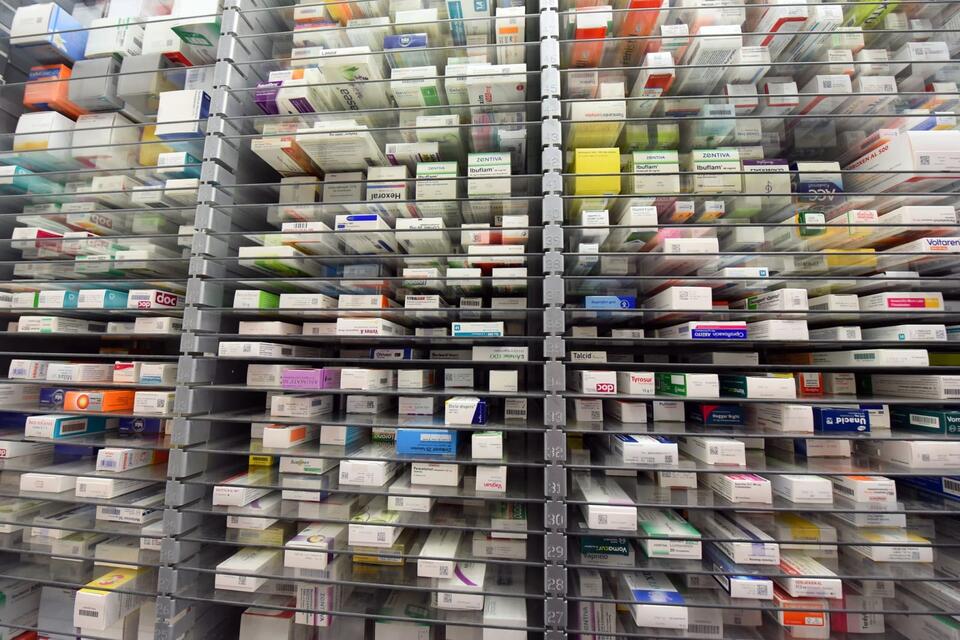
7 Medical Services That Lost Full Coverage This Quarter By Teri Monroe, 16 hrs ago Saving Saving Advice Follow https://img.particlenews.com/image.php?url=00YLMq_18LxBVHB00 Image Source: Shutterstock The definition of “medically necessary” is shrinking rapidly. Insurance companies are quietly rewriting their coverage policies to save money. Services that were fully covered last year now come with a price tag. This shift often happens mid-contract without a clear warning to patients. You arrive for a routine appointment expecting a zero-dollar copay. You leave with a bill for hundreds of dollars. This quarter has seen a spike in denials for routine diagnostics and comfort measures. Insurers are classifying formerly standard procedures as “lifestyle” choices or “investigational.” They shift the financial burden entirely to the patient. If you have an appointment scheduled for any of the following, check your coverage immediately. You may need to sign a waiver agreeing to pay cash. Routine Vitamin D Testing Doctors often add this test to your annual blood work. Insurers have decided it is largely unnecessary for the general population. Many plans now classify routine Vitamin D screening as investigational without a specific diagnosis. You need a documented history of osteoporosis or kidney disease to qualify. If you just want to check your levels, you will pay the full lab fee. This can range from $50 to $200 per test. Deep Sedation for Colonoscopies Colorectal cancer screenings are free under federal law. The anesthesia used during them is not always covered. Many insurers now refuse to pay for Propofol, known as deep sedation, for average-risk patients. They argue that cheaper “conscious sedation” is sufficient. If you want to be completely asleep, you may have to pay the anesthesia surcharge yourself. This out-of-pocket cost can exceed $500.

J.Smith

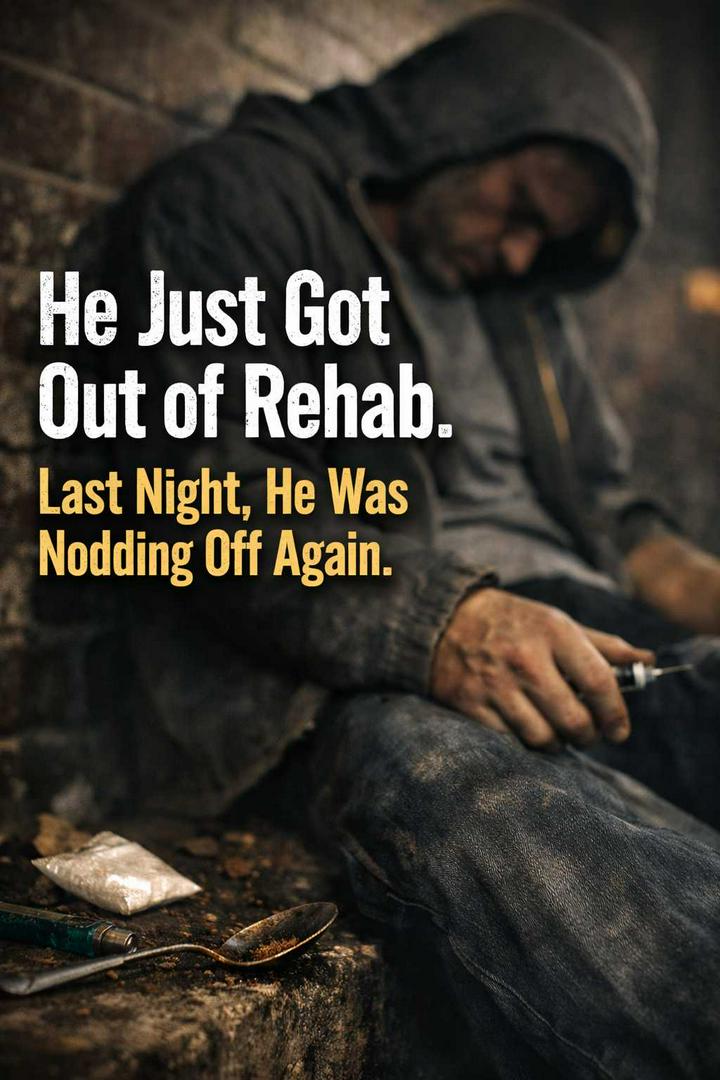
A friend of mine went away recently to rehab, trying to get off the poison everybody knows too well these days. I’ve known him a few years. He’s fought heroin most of his life, and lately it’s been fentanyl. He seemed okay for a while. Last night I was over at his house with his significant other, and he was falling asleep standing up. He told me he was just tired. Anybody who’s ever been around someone using that stuff knows the look, the slouch, the drool. I know he’s using again. All his friends know. His significant other knows. I’ve already lost a young man to this damn stuff. After all the attention, all the talk, all the warnings, we’re still losing people every day. I’ll have to talk to him sooner or later. Last night wasn’t the time. This isn’t a question of if. It’s a question of when that stuff kills you. I don’t understand why this poison is everywhere. Why with all the money and effort, we can’t stop it. Why the cartel gets to roam the border while we pretend the Mexican government isn’t controlled by them. So much is going on, and anyone my age knows someone they’ve lost to fentanyl. Jacksonville is full of it, and it’s damn frustrating. #DrugAddiction https://sewermeetsthesea.substack.com

Stacey

Doctors just don’t understand patients. That’s so true and when you tell a doctor you don’t want a temporary solution to a permanent problem they get angry and automatically assume you’re a surgery junkie. It’s crazy, I can justify all of my health issues, from terminal cancer all the way down to a torn rotator cuff and that’s the least of my problems 🤦‍♀️. Yet the doctors are getting mad at me because I’m not on narcotics and don’t want to be because I don’t want to be drugged up and pushed aside. I take too many pills already, narcotics are going to do what for bone pain from cancer? I just wish I could give the doctors a brief exposure to what I feel constantly so they would understand. Maybe that would change their perspective and their treatment of patients. Could you imagine if every patient went in and the doctor had to feel everything we felt, even for a brief moment. Oh that would be a game changer😲!