Category Page health

Darlene Ramsey

I worry for our children and eldery!

hello JM. I'm sorry to see such judgement. However, I totally understand. I was judgemental about welfare and even getting any help, ever! I worked 3 jobs and was a single Mom of 2. No help needed. But, I paid my taxes since I was 15. sadly, 5 years ago I got sick. Almost died. no longer could I work. I had to rely on HELP. food supplement card helped me eat. Let me assure you it was'nt a lot but it kept me fed. If there wasn't such a long waitlist I would probably be in low income housing . I didnt expect my illness to happen. But, it did. Food stamps and other programs have saved my life. so sir, please have some empathy as this will effect our children and elderly a lot. You don't have to like it. But, making us feel worse for having to use this program is in humane. I presume, you are a nice person and are just going through something hard yourself. Thanks for your time to read this and I hope it helps you perhaps understand the issue better. Have a blessed day.

I worry for our children and eldery!
The Story Behind...

Bipolar disorder is often misunderstood because people usually see the surface and not the science behind it. The story goes back nearly two thousand years when early physicians noticed a pattern of deep sadness followed by long bursts of intense energy. They did not have the language for it, but they knew it was more than moodiness. It was a condition that followed people through seasons of their lives and shaped how they functioned day to day. Modern research shows that bipolar disorder is connected to how the brain regulates energy, motivation, and sleep. These shifts in chemistry can pull someone into a depressive state or push them into a fast moving state where thoughts race and everything feels amplified. It is not a choice and not something a person can control through willpower. Bipolar disorder often appears in late adolescence or early adulthood. Stress, trauma, or major life changes can trigger episodes, but the condition itself is rooted in the brain. With treatment, structure, and support many people manage their symptoms and build stable lives. The challenge is that stigma still makes people afraid to speak openly or seek help. The story behind bipolar disorder is a reminder that mental health is not always visible. People can struggle quietly while working, parenting, or caring for others. Understanding this condition creates space for compassion instead of judgment. It helps replace stereotypes with facts and encourages people to get help early instead of waiting until things fall apart. #MentalHealthAwareness #BipolarDisorder #BrainHealth #UnderstandingMatters

Michael Tovornik

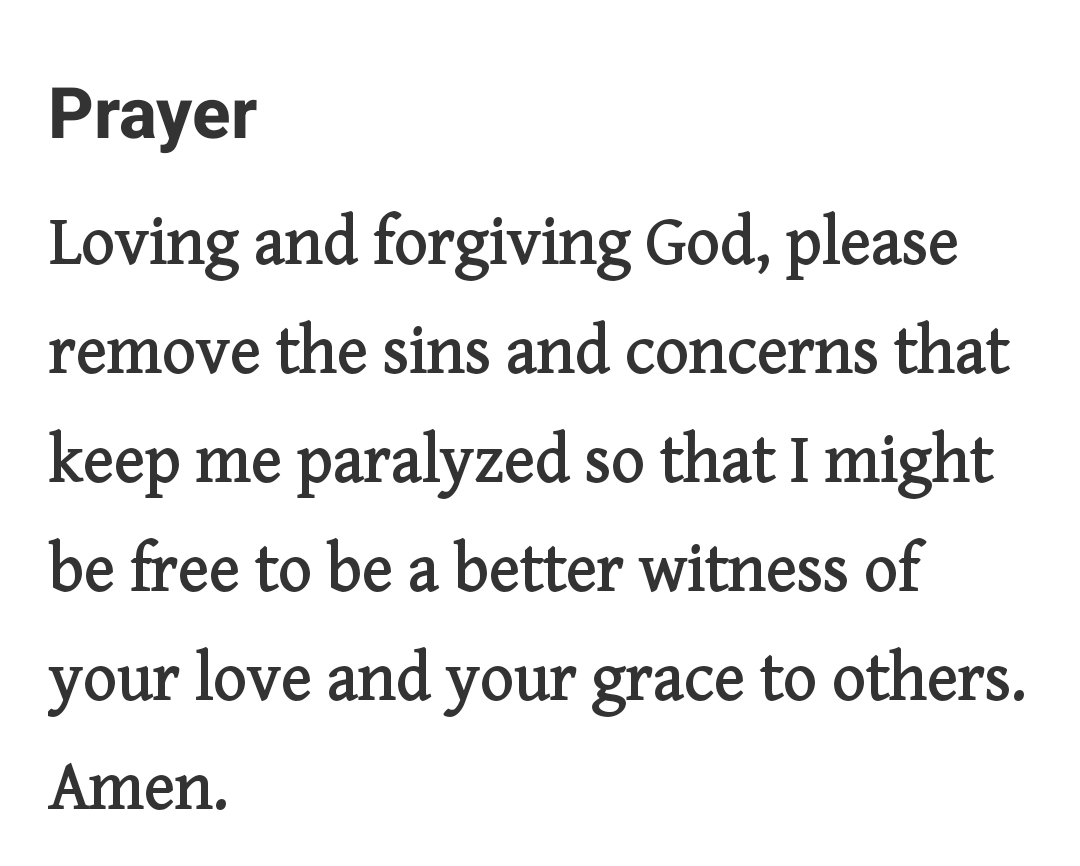
Luke 5:17-20 NIV [17] One day Jesus was teaching, and Pharisees and teachers of the law were sitting there. They had come from every village of Galilee and from Judea and Jerusalem. And the power of the Lord was with Jesus to heal the sick. [18] Some men came carrying a paralyzed man on a mat and tried to take him into the house to lay him before Jesus. [19] When they could not find a way to do this because of the crowd, they went up on the roof and lowered him on his mat through the tiles into the middle of the crowd, right in front of Jesus. [20] When Jesus saw their faith, he said, “Friend, your sins are forgiven.” There is so much in today's reading that it is difficult to pick just one topic – the faith of the friends who brought the man to Jesus, Jesus' ability to forgive sins as well as to heal the body, the doubts of the crowd, the powerful teaching. The question that I took away from the reading was, "What paralyzes me?" I believe it is a question for us all. What are the fears, the insecurities, the attitudes that might keep me stuck? It could be a fear of failure that prevents me from even starting to do what I need to do. It might be an old tape that runs through my head from the past when I was told I wasn't good enough at something, so why bother even trying. It could be an addiction, a fear of losing friends, even a fear of success. Once I can answer the question, what do I do with the answer? Am I willing to have the faith to bring my paralyzed mind or body to Jesus for healing? Healing brings change, and change is not always welcome. The paralyzed man, who can now walk, will also be expected to work. The former addict will need to face life's problems head on. I might have to stand up to the friends who like having some control over my life and risk losing them. The paralyzed man, once healed in body and spirit, picks up his bed – his burden – and goes home. Do we have the courage to bring our brokenness to Jesus, allow him to heal us.

Hatter Gone Mad

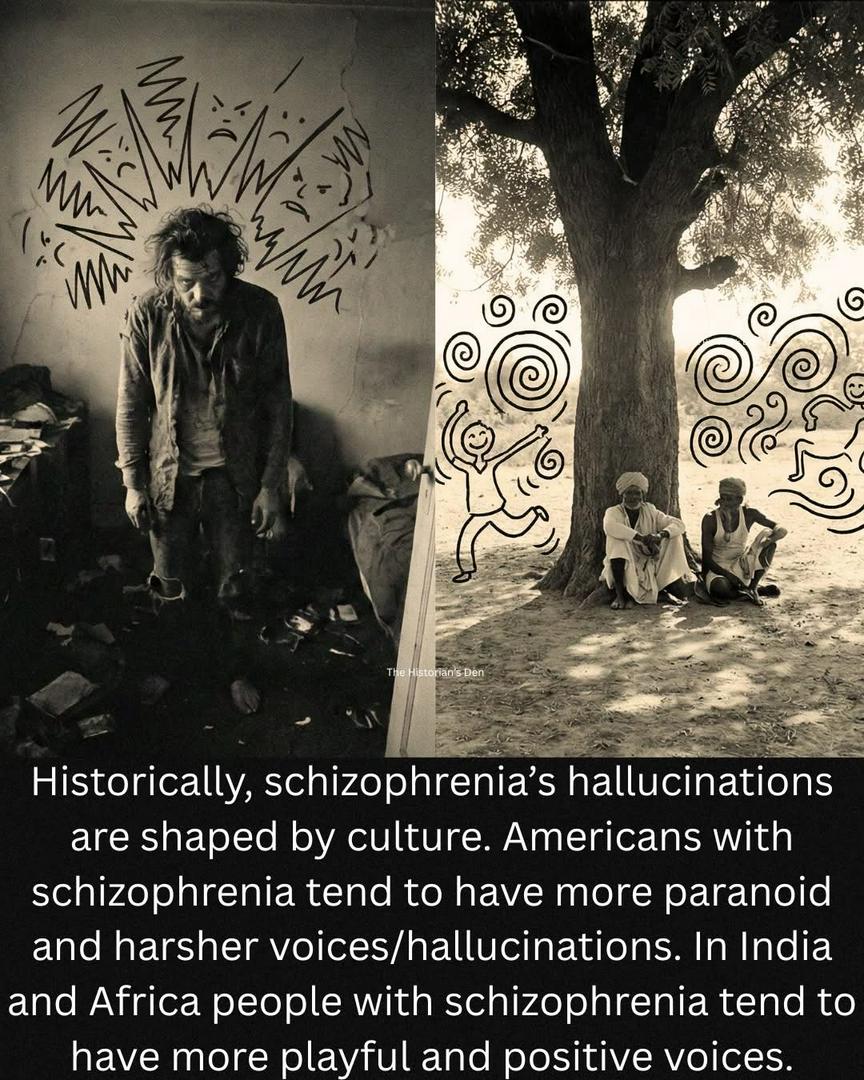
Schizophrenia is often thought of as a universal condition with consistent symptoms, but studies show that culture plays a powerful role in shaping how people experience it, especially auditory hallucinations. Anthropologist Tanya Luhrmann and her team interviewed individuals with schizophrenia in the U.S., India, and Ghana, and found striking differences in the tone and content of the voices they heard. In the U.S., voices were often harsh, threatening, and commanding, frequently invoking violence or paranoia. In contrast, patients in India and Ghana described voices that were more playful, benign, or even helpful, sometimes offering guidance or companionship. This difference isn’t just anecdotal, it reflects how cultural norms shape expectations around mental illness. In the West, schizophrenia is often medicalized and stigmatized, with an emphasis on pathology and danger. But in parts of India and Africa, spiritual or relational interpretations are more common. Voices may be seen as ancestral, divine, or part of everyday life, which can reduce fear and isolation. These cultural frames influence not only how symptoms are perceived, but how patients respond to them, and how communities support or reject them. Interestingly, this research has implications for treatment. If hallucinations are shaped by cultural context, then therapy and care models should be culturally adaptive. Western psychiatric approaches that focus solely on suppression or medication may miss opportunities for more empathetic, narrative-based interventions. Understanding the emotional tone of hallucinations and the cultural lens through which they’re filtered, could lead to more humane and effective care across the globe. #mentalhealth #thehistoriansden