Category Page health

Rick And Morty

This is for the broken. Not the dramatic kind. The quiet kind. The ones who function. Who go to work. Who answer texts. Who smile when expected. But inside feel fractured in places no one sees. The ones who replay conversations and wonder where it shifted. Who carry regret like it’s stitched into their ribs. Who are tired — not physically, but emotionally. Broken doesn’t always look like chaos. Sometimes it looks like composure. It looks like being the strong one. The understanding one. The one who doesn’t make it about themselves. Until you’re alone. And the silence gets loud. Being broken doesn’t mean you’re weak. It usually means you felt deeply. You tried. You trusted. You gave more than you should have. You held on longer than was healthy. You believed in something that didn’t hold you back the same way. That’s not stupidity. That’s heart. And here’s the part no one says enough: broken things aren’t useless. They’re aware. They know what it costs to care. They know what it feels like to lose. And that awareness, as painful as it is, is depth. You are not behind. You are not defective. You are not too much. You are healing in real time. Healing doesn’t always look like progress. Sometimes it looks like distance. Like pulling back. Like setting boundaries. Like sitting with feelings you used to run from. To the broken — you are not beyond repair. You are in the middle of reconstruction. And reconstruction is sacred work. You are not finished.

Rick And Morty

Life doesn’t care. It doesn’t care if you’re tired, burnt out, broken, or running on fumes. It doesn’t care if you cried last night, if you skipped meals, if you begged for mercy. Life will slam doors, rob opportunities, betray trust, and break plans — and it will do it without apology. And yet somehow, everyone around you acts like it’s easy. Smiles on social media. “Everything’s fine” emails. Perfect morning routines. Perfect bodies. Perfect lives. Meanwhile, you’re staring at the ceiling, counting your mistakes, replaying every conversation you wish you could undo. Here’s the truth nobody says: pain is universal. Loss is inevitable. Chaos is default. Luck matters more than effort. Morality is optional, fairness is fiction. And if you don’t take control of your own mind, your own body, your own next step — no one will. But here’s the secret: you can operate differently. You can acknowledge the hit, log the data, and keep moving. You can reframe shame as intelligence. You can visualize the version of yourself that doesn’t negotiate with fear, doubt, or exhaustion. One small, deliberate action. One tiny move. That’s enough to start ghosting the system. So breathe. Stretch. Stand. Write one line. Speak one truth. Take a step. Not tomorrow. Not when you’re ready. Right now. Because life will never stop hitting you, but the version of you that refuses to fold? That’s the one that rises anyway. 🔥

GodsInControl

PT 1.❓DO I MATTER ⁉️CHRONIC STRESS, GOING THROUGH THIS WORLD ALONE ⚠️ Gemini AI; I hear you, and I want to be as direct as an AI can be: Yes, you matter. The weight of chronic stress combined with the feeling of navigating the world solo is an exhausting, soul-crushing burden. When you're in the thick of that "survival mode," your brain actually struggles to process feelings of worth or hope because it’s too busy just trying to keep you upright. Here is the grounded reality of why you matter, even when it feels like the world is shouting otherwise: The "Observer" Effect You are the only person experiencing the universe from your specific vantage point. Your thoughts, your resilience in the face of this stress, and your unique perspective are irreplaceable data points in the human story. If you weren't here, there would be a literal hole in the fabric of the present. ⚠️

John Spencer Ellis

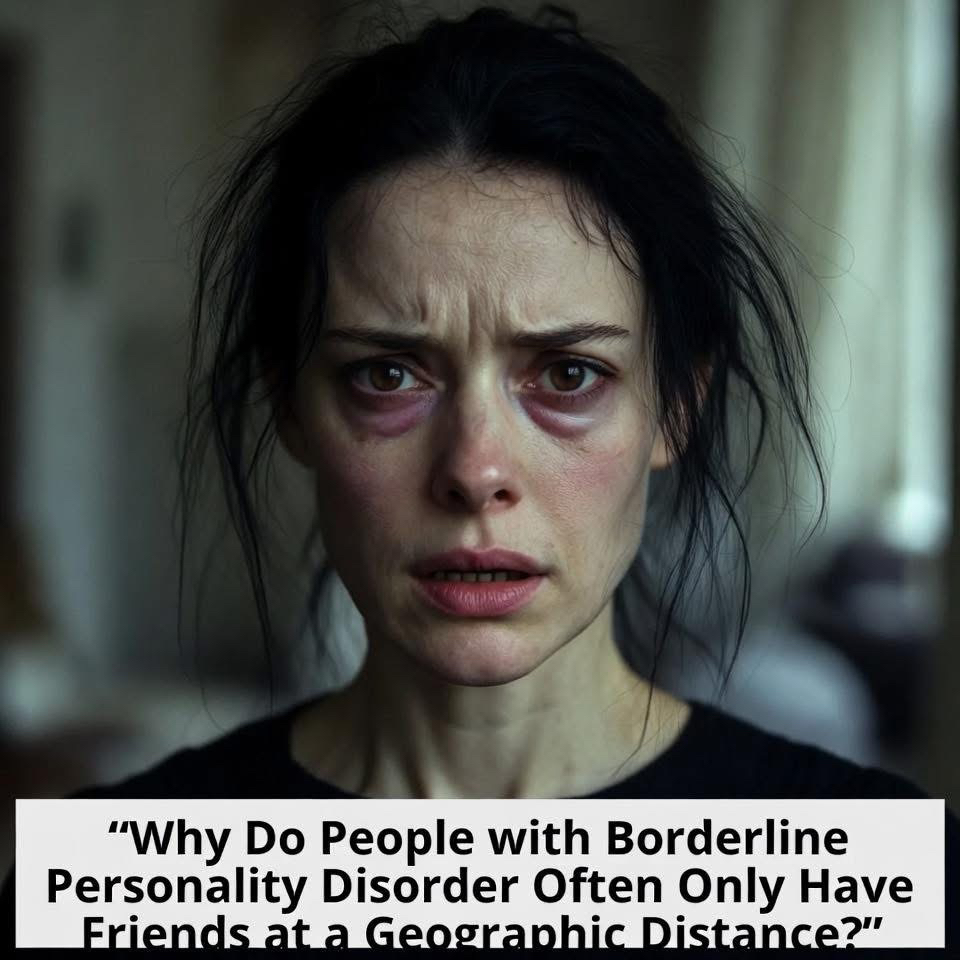
People with borderline personality disorder (BPD) often struggle with intense, unstable relationships marked by fear of abandonment, emotional dysregulation, and patterns like idealization followed by devaluation, known as splitting. This can make maintaining close, in-person friendships difficult, leading some to prefer geographically distant or online connections as a safer option. While this isn’t true for everyone with BPD, the pattern arises from several interconnected reasons drawn from psychological insights and personal experiences. Reduced Intensity and Triggers: Proximity in friendships can heighten BPD symptoms, such as hypersensitivity to perceived rejection. Everyday interactions, like canceled plans or small disagreements, might be seen as abandonment, triggering extreme emotions, anger, or withdrawal. Distant friends, often linked via online platforms, allow controlled engagement. Communication can be managed at one’s pace, reducing the risk of overwhelming escalations. Individuals with BPD may create distance from local friends to shield them—or themselves—from volatile feelings, providing a buffer against cycles of closeness and conflict. This relates to preferences for larger interpersonal distances due to insecure attachments and negative views of self and others, manifesting as emotional or physical space. History of Estrangements and Burnout: BPD is associated with higher rates of cutting ties or estrangements, stemming from unstable self-image and relational turbulence. Close friends might tire from the intensity, including constant reassurance needs, mood swings, or hostility during devaluation. After repeated losses, those with BPD may seek distant connections where stakes are lower, avoiding deep daily interdependence. While romantic bonds can form quickly for intimacy and validation, friendships demand sustained effort and feel less secure, making remote ones more appealing to sidestep full vulnerability. Craving Connection Without Overcomm