Category Page health

Annabelle Linn

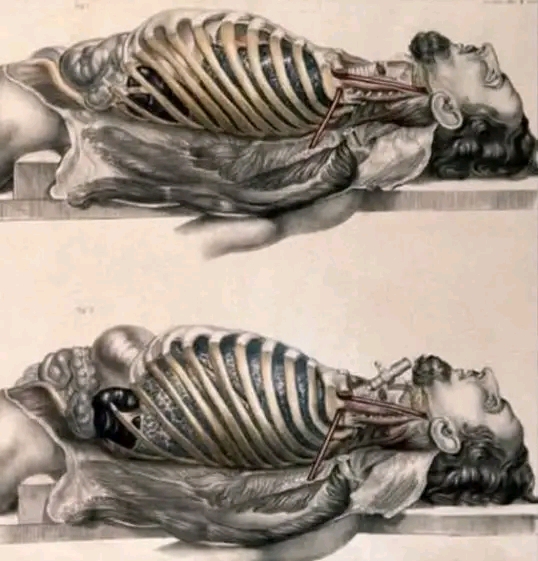
The instant breath leaves the body, life does not vanish — it unravels. Not in silence, but in a slow, invisible collapse. The brain is the first to surrender, starved of oxygen, its neurons flickering out like dying stars. The heart follows, then the great engines of the body — the liver, the kidneys, the pancreas — each fighting for a few more desperate moments before the dark settles in. And yet… the body is not done. Beneath the still skin, a quiet rebellion continues. The cells of the cornea, the tendons, even the heart valves, hold on for hours. Skin endures for a day. White blood cells, the soldiers of our immune system, march on for nearly three. Scientists call it the twilight of death — that eerie window when life lingers in fragments. Deep inside, certain genes awaken as if unaware the war is lost, transcribing DNA into RNA in a last act of defiance. It’s as if the body whispers, “Not yet.” But this defiance has a cost. In organ donors, some of these frantic postmortem cells mutate — their chaos carried into another life, perhaps explaining why some transplant recipients face strange, higher risks. Death, it seems, is not a line but a landscape — a passage where some parts of us resist the end, even as the rest fades to silence. Because life doesn’t stop all at once. It fades, cell by cell, whisper by whisper — and in that fading lies the final mystery of being alive.

The Signal Wire

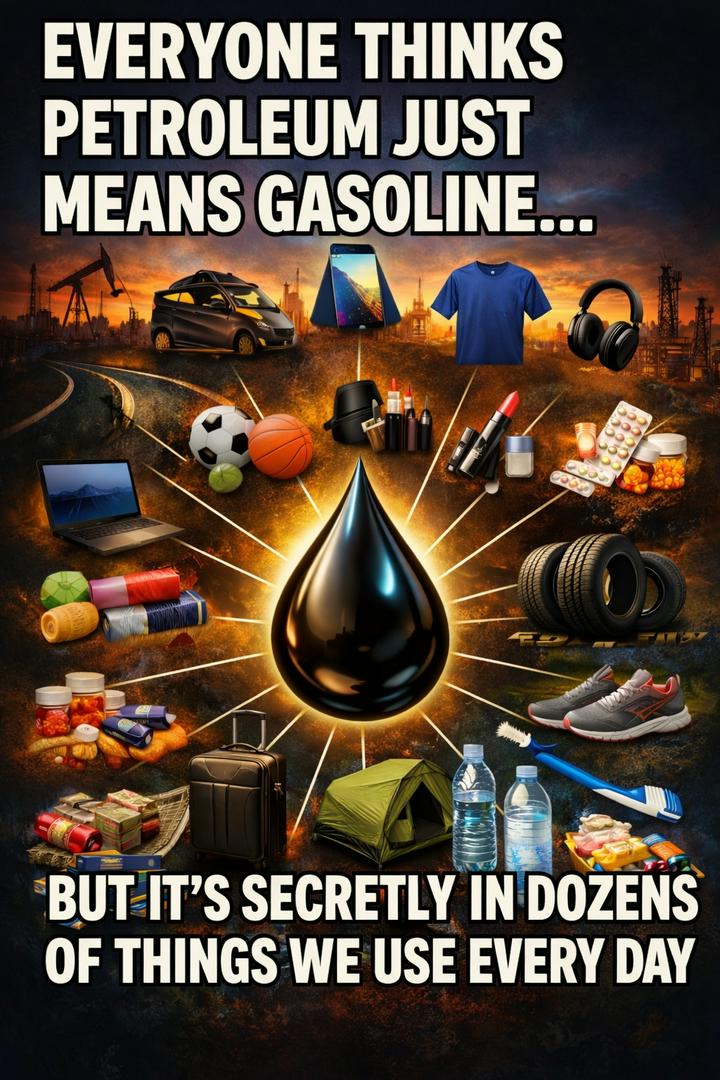
Breaking SIGNAL - Health Talk - What most people miss SIGNAL DETECTED Most people think petroleum only powers cars. But oil is also used to create plastics, fabrics, cosmetics, electronics, packaging, and more. This is part of the petrochemical system that shapes modern life. The real signal isn’t gasoline. It’s the hidden materials network most people never see. For decades, petroleum has been associated with one thing: gasoline. But researchers and industrial systems analysts have long known something different. Petroleum is not just fuel. It is the raw material behind thousands of everyday products. And most people never notice it. Petroleum-derived chemicals help create materials found in: • plastics and packaging • synthetic clothing fibers • electronics and smartphone components • cosmetics and personal care products • vehicle interiors and tires • food containers and bottles • some pharmaceutical coatings These materials come from petrochemicals, compounds refined from crude oil. Modern life is built on petrochemical infrastructure. It connects: energy → manufacturing → consumer products → daily life. Most people only see the fuel side of oil. But the larger system is the materials economy. Scientists are increasingly examining how long-term exposure to certain petrochemical compounds may affect: • environmental systems • microplastic accumulation • endocrine activity • long-term human health trends This field is still evolving, but the signal is clear: The materials we use every day have deeper origins than most people realize. Sometimes the most important discoveries are not about new technology. They are about seeing the hidden systems behind everyday life. Petroleum is not just gasoline. It is part of the invisible architecture of modern society. #SignalDetected #TheSignalWire #HiddenSystems #BreakthroughSignals #DidYouKnow #ScienceSignals #ModernInfrastructure #DecodeTheSignals #Healthyinsights

Rick And Morty

When the tough gets tougher—when another door slams, another bill lands, another person ghosts, another diagnosis confirms what you already feared—most break. They numb. They scroll. They drink. They whisper “this too shall pass” while everything inside screams it won’t. I’ve been there. Face-down at 4 a.m., chest caving, replaying every mistake like a looped execution. Begging for mercy from a sky that stays silent. Wondering if breathing is worth the next hit. Truth: the universe isn’t testing you. It’s indifferent. It will keep swinging until bone cracks—your body, mind, hope—and won’t apologize. Pain isn’t a lesson. It’s gravity. Loss isn’t occasional. It’s default. Fairness died before you were born. So what now? Stop asking why. Stop waiting for rescue. Stop pretending tomorrow cares. Do this: 1. Name the wreckage. Out loud. No sugar. “My life is fucked and I’m drowning.” Truth is the first weapon. 2. Shrink the war.
One controllable inch: one breath, one sip of water, one step outside, one honest text.
Micro-moves aren’t inspirational—they’re proof you’re not fully dead yet. 3. Turn spite into fuel.
If the world wants you gone, make it regret the effort.
Rise because fuck giving it the win.
Every scar is intel. Every betrayal is ammo. 4. Build one tiny fortress.
One habit. One boundary. One person who doesn’t drain you.
One truth you refuse to bury: “I’m still here.” Rising isn’t pretty. It’s limping, cursing, bleeding through the next hour. Slow. Ugly. Real. The tough gets tougher until you decide folding is worse than dying slow. Get meaner. Get quieter. Get moving. One bloody inch at a time. The grave can wait. You’ve got unfinished business. Drop a 🔥 if you’re still swinging. Drop a 🖕 if it’s pure spite keeping you upright

Walter Sonny Ray kernaich

*Pickle Juice for Neuropathy Relief: A Comprehensive Guide* Pickle juice has gained attention for its potential benefits in alleviating neuropathy symptoms. The electrolyte-rich liquid, packed with sodium, potassium, and magnesium, may help restore nerve function and reduce cramping (1). *Key Components of Pickle Juice* - *Sodium*: Essential for nerve conduction and muscle function. Sodium helps regulate the balance of fluids in the body and supports nerve impulse transmission (2). - *Potassium*: Supports nerve health and muscle contraction. Potassium is crucial for maintaining proper nerve function and muscle relaxation (3). - *Magnesium*: Crucial for nerve function and inflammation reduction. Magnesium helps regulate nerve function, muscle contraction, and relaxation (4). - *Acetic Acid*: Anti-inflammatory properties may help reduce pain and inflammation in affected nerves (5). *Potential Benefits for Neuropathy* 1. *Electrolyte Replenishment*: Restores balance, reducing cramps and spasms. Electrolytes like sodium, potassium, and magnesium are essential for proper nerve function and muscle contraction (6). 2. *Anti-Inflammatory Effects*: Acetic acid may reduce nerve inflammation, alleviating pain and discomfort associated with neuropathy (7). 3. *Hydration*: Supports overall nerve health by maintaining proper fluid balance and electrolyte levels (8). *Considerations and Precautions* - *High Sodium Content*: Monitor blood pressure and sodium intake. Excessive sodium consumption can lead to high blood pressure, cardiovascular issues, and fluid retention (9). - *Electrolyte Imbalance*: Excessive consumption can disrupt electrolyte balances, leading to muscle weakness, fatigue, and other complications (10). - *Individual Results*: May vary based on underlying conditions, such as diabetes, kidney disease, or heart conditions (11). *Dosage and Administration* - *Typical Dose*: 1-2 ounces (30-60 ml) daily. Start with a small dose and adjust based on tolerance and sym

justme

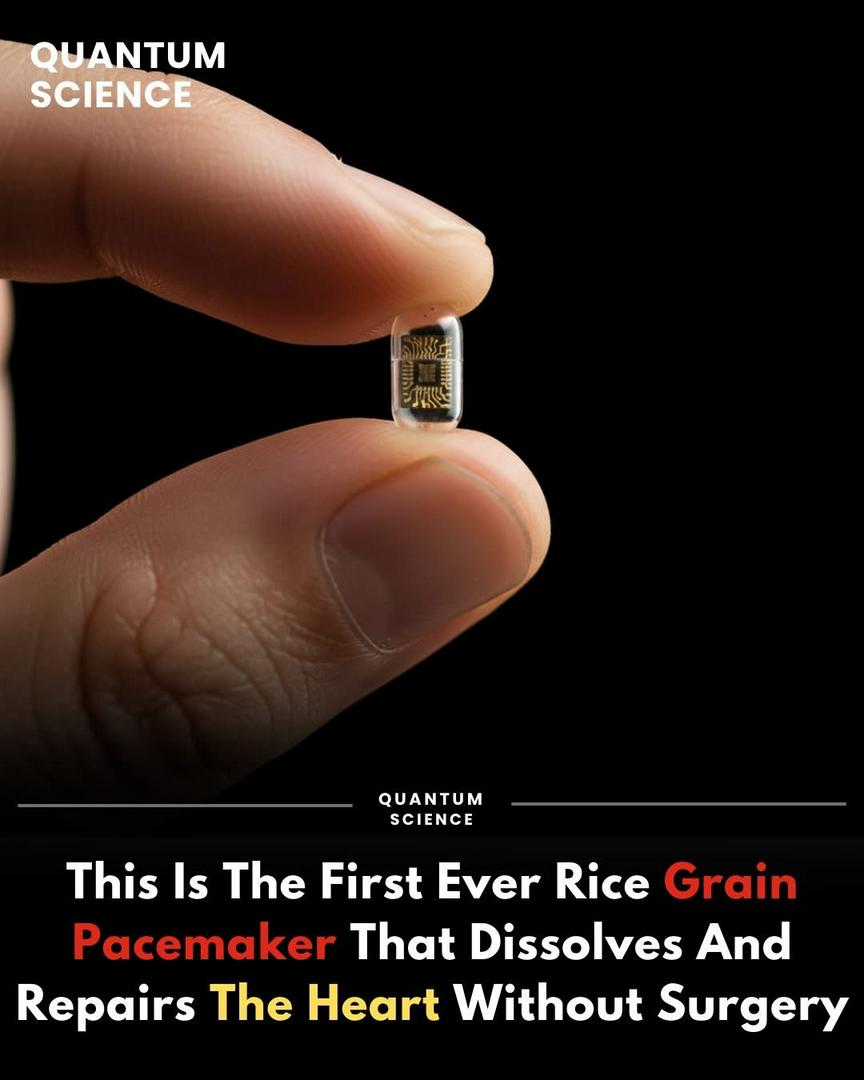
❤️💡 A pacemaker smaller than a grain of rice is redefining what heart care can look like. Designed to provide short-term support after surgery or a cardiac event, this ultra-tiny device helps regulate heartbeat during the most critical recovery phase. Once its job is done, it naturally dissolves inside the body — eliminating the need for removal surgery or long-term implants. This breakthrough represents a new direction in medicine: technologies that assist healing and then simply fade away. By offering precise, temporary support exactly when it’s needed, dissolvable pacemakers could reduce complications, speed recovery, and make heart treatment safer and less invasive than ever before. What other medical fields could benefit from this kind of 'disappearing' tech? How does this innovation make you feel about the future of medicine? Note: The information presented here is for general knowledge and discussion.

Willow

How many have lost someone to cancer? Cancer sucks. My mom got lung cancer. She battled it two years. She would think it was gone,but would travel to the brain, throat and then the spine. My mom quit smoking and drinking. She didn't want to die,but cancer took her. February 3 rd, my mom will be gone 7 years. My brother and I were by her side at the end. We made all the funeral arrangements. My other 3 siblings came and got what they wanted. They didn't stay for the funeral. I am grateful that I had that time with mom before she died. I was able to forgive her for the past. My siblings will regret it and probably live with hate in their heart forever. Forgiving is what helped heal the wounds. I will not die with hate in my heart. I will always be thankful that I was there by her side at the end. Forgiving is part of healing. Forgive beautiful people.

Category: Health - Page 10 | LocalAll